


Bluefin Tuna Fishery UK
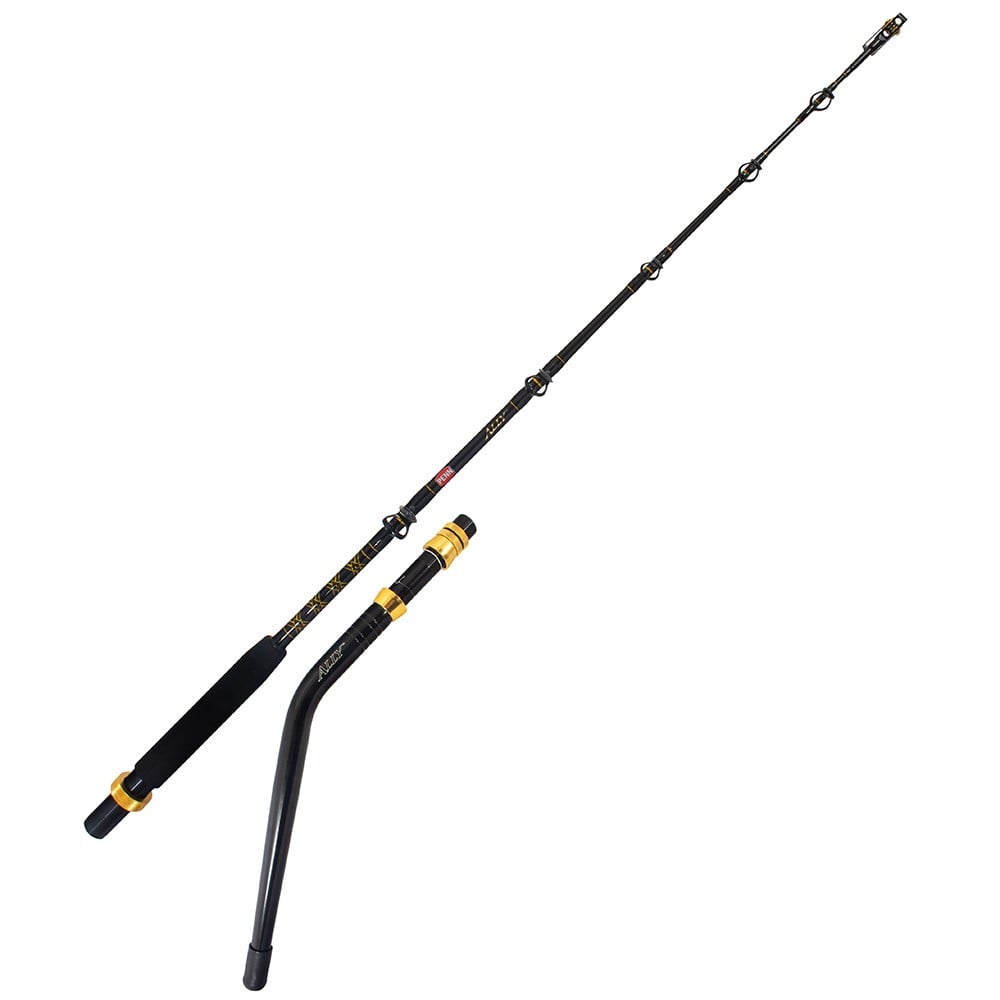
Tuna fishing rods are extremely powerful and require some serious backbone. Not only does the sheer size of a potential catch dictate this, but sudden long and seemingly spontaneous runs will put tremendous and immediate strain on a rod that could shock it to failure, especially when a fish makes that initial hit. For this reason, the rod needs to absorb sudden strain, to a point, so whereas although it does need to be powerful, it also has to be capable of cushioning the surging run out of nowhere that only a tuna is capable of. Blanks are one thing, but all guides and fittings should also be stepped up. Although it is advisable to check these features on any fishing rod, it is especially important when it comes to tuna as there really is no margin for error.
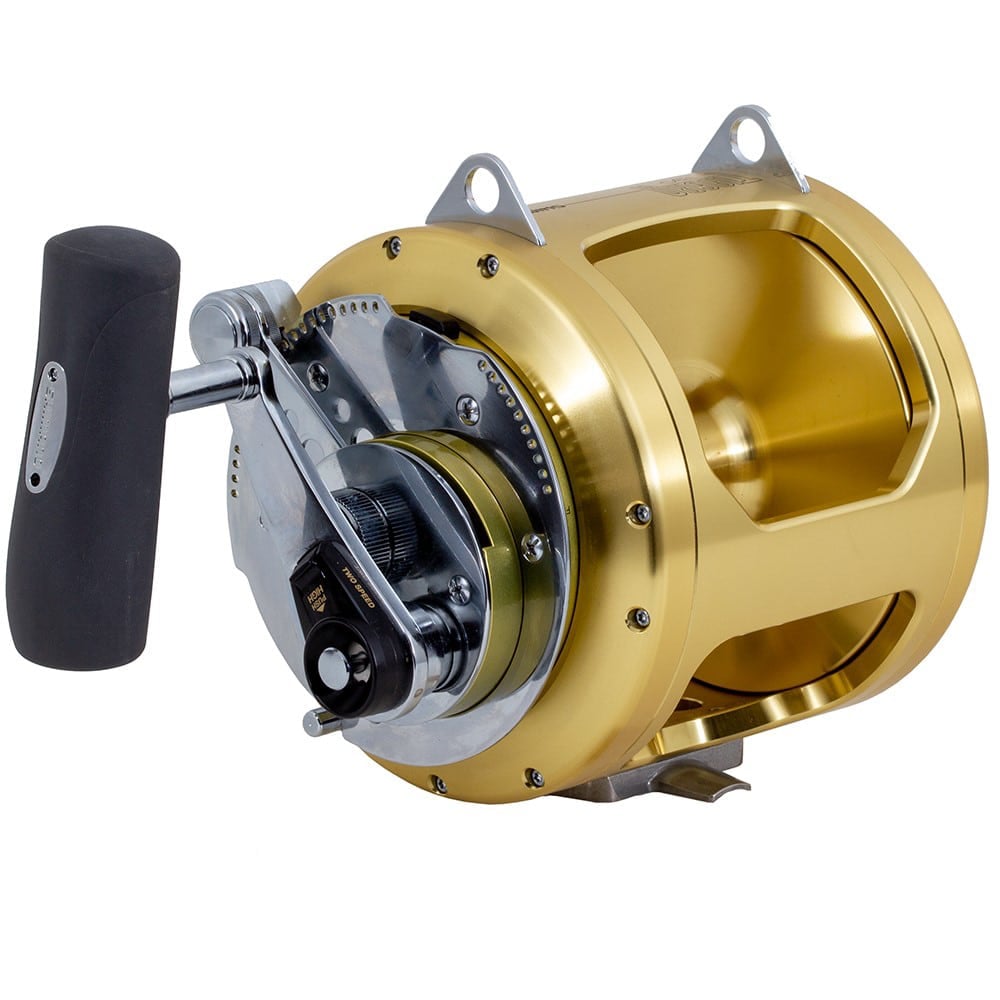
Tuna fishing reels are often enormous, heavy and built to a very high standard. Big game tackle is only slowly finding its way to the UK and with the advent of the CHART programme, it’s time to step up your game if you’re serious about tuna fishing. Capacity is vital; the reel has to hold a huge meterage of heavy monofilament. Small reels just will not hold enough line to handle those long runs. The fact that the fish run as hard and fast as they do dictates the correct use of an efficient drag system- a key feature with any big game reel. Gearing too has to be solid, tight, packed with torque and capable of dealing with a fish that could exceed 1000lb in weight. This really is a case of spending as much as you can afford and getting it right first time.
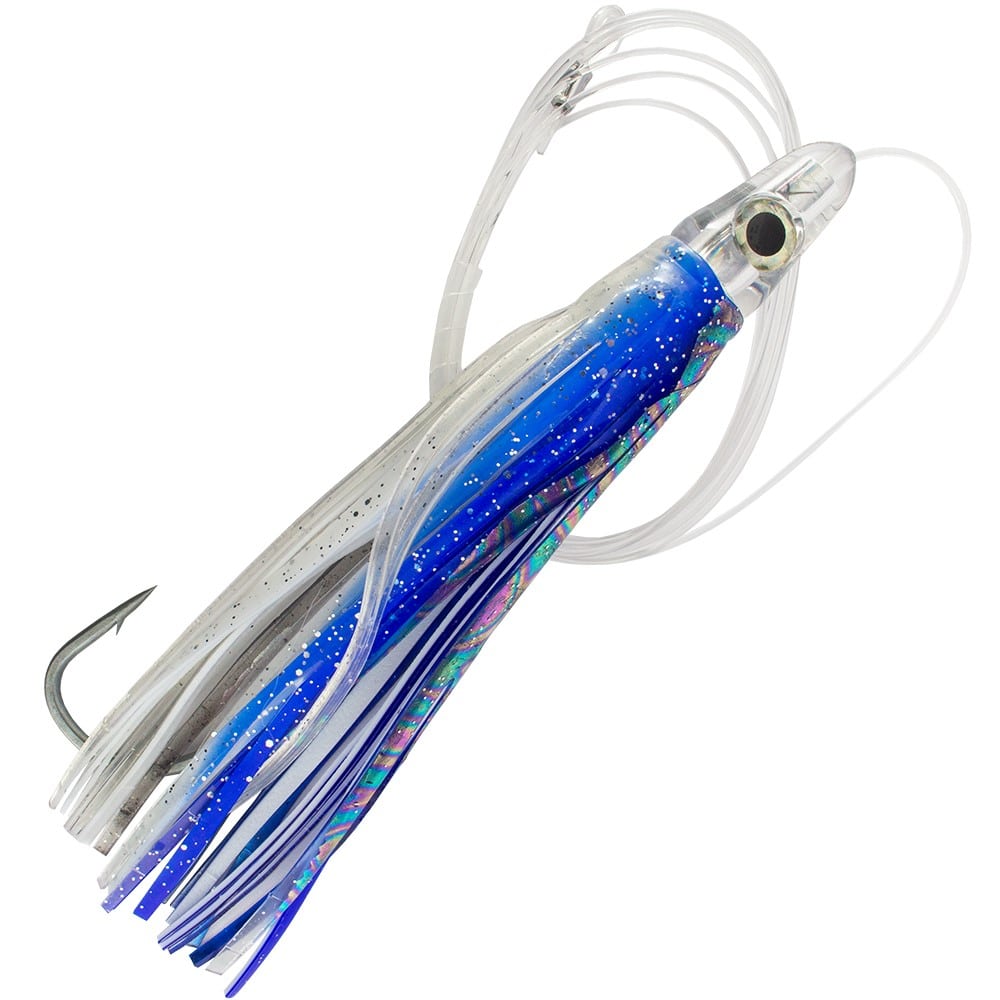
If you’ve yet to experience any form of big game fishing, the kind of tackle you will be using will be unlike anything you have ever used before. The emphasis here is on strength. Every thing is stepped up, hooks are thick in the garage and tempered to an exceptional level. Lines are resilient, manufactured with shock force in mind and treated to prologue their life when placed under tremendous strain, time and time again. Colourful big game lures are common place and are available ready rigged on heavy monofilament traces that feature the best quality ball bearing swivels. Look out for further additions to our selection of big game fishing tackle over the weeks to come.

Bluefin Tuna fishing is without question, the most exciting development within the U.K.’s recreational sea angling scene in recent times is the CHART programme. For those who have yet to hear of this, CHART stands for Catch And Release Tagging, and is the specific programme allowing for a managed recreational fishery of Atlantic Bluefin Tuna in the U.K. across 15 approved Charter vessels.
The CHART programme is a key step in gathering critical data on Atlantic Bluefin Tuna, which in turn will help understand more about the species numbers, possible recoveries, movements and many other habits. This whole picture is vital to ensuring the long term sustainability of the species both in our own waters and globally. Equally, socio-economic studies run alongside the programme provide a compelling argument for the benefits of the economy cashing in on a recreational fishery for the tuna in place of or in addition to a commercial sector.
In simple terms, very soon, recreational sea anglers will have permission by license to fish with rod and line for Atlantic Bluefin Tuna. These fish are undoubtedly one of the fastest and most powerful of any ocean around the world and tackling up correctly is a serious business!
Bluefin Tuna CHART Programme Skippers
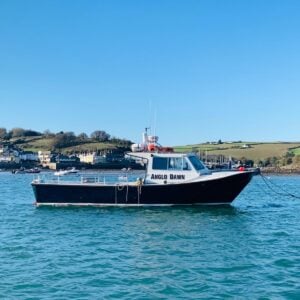
Anglo Dawn - Salcombe
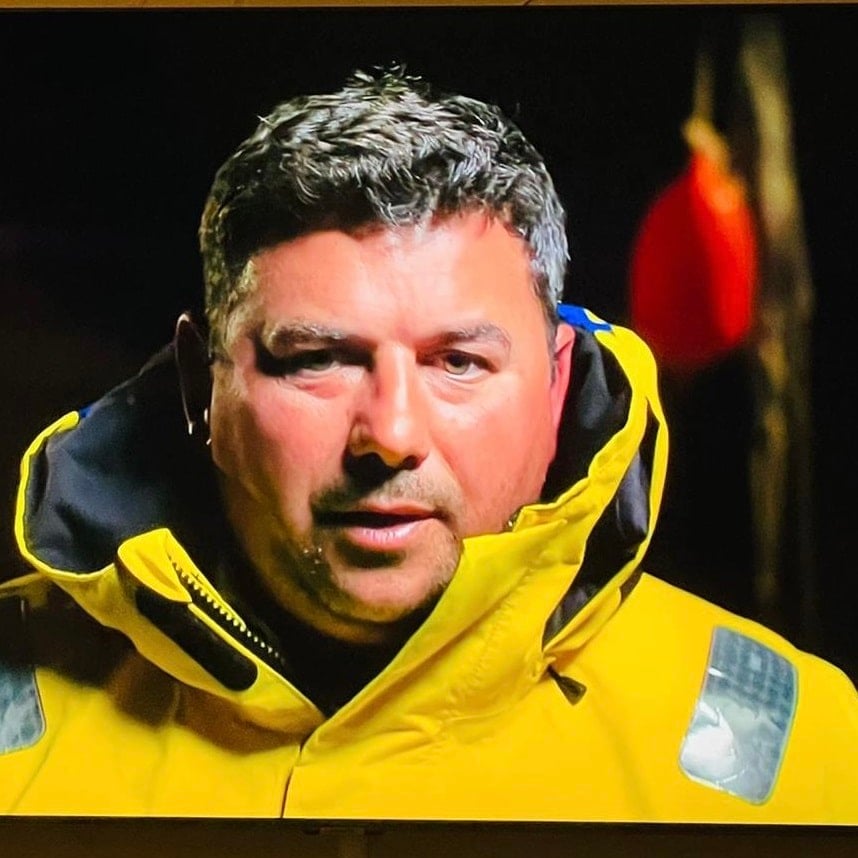
Chris Roberts - 07967 387 657
Chris is not only doing the Tuna CHART Programme, he is an active Charter Boat Skipper, Commercial Crab & Lobster Fisherman as well as volunteering for the RNLI.
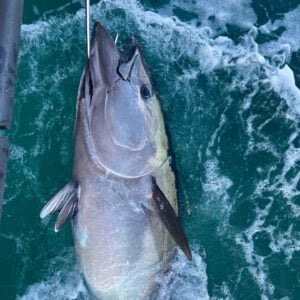
Chris has successfully tagged & released numerous Tuna
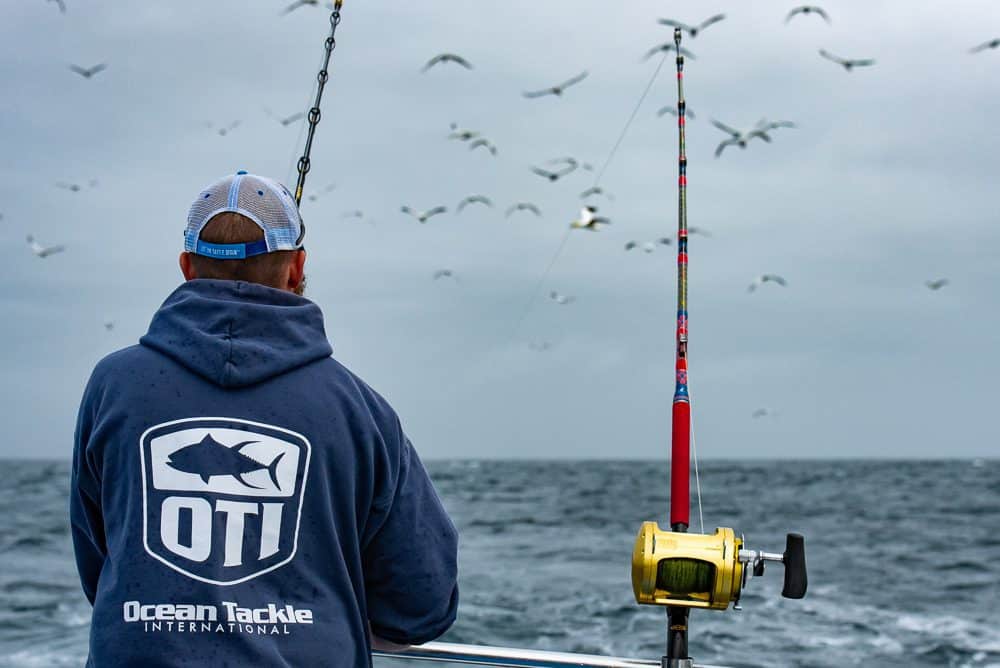
UK Bluefin Tuna: A Complete Guide to Britain’s Remarkable Ocean Giant
When you think of Bluefin Tuna, images of the Mediterranean or Japanese waters may come to mind. But did you know that Atlantic Bluefin Tuna have made a strong return to UK waters in recent years? Once a rare sight, these giants of the ocean are now increasingly spotted around the British Isles, sparking excitement among anglers, conservationists, and food lovers alike.
In this blog, we’ll explore everything you need to know about UK Bluefin Tuna—from their history and migration to conservation efforts and sustainable fishing.
What is Bluefin Tuna?
The Atlantic Bluefin Tuna (Thunnus thynnus) is one of the largest and most powerful fish in the world. Known for their speed and size, Bluefin can reach up to 1,500 pounds (680 kg) and swim at speeds of over 40 miles per hour. They are prized for their rich, fatty flesh—especially in Japanese sushi and sashimi.
Bluefin Tuna in UK Waters
For decades, Bluefin Tuna were absent from British seas due to overfishing and declining stocks in the Atlantic. However, in the past 10–15 years, sightings have dramatically increased around Cornwall, Wales, Scotland, and the South Coast of England.
Marine scientists believe their resurgence is linked to:
- Stricter international fishing quotas
- A rebound in prey fish such as mackerel and herring
- Shifts in ocean temperatures due to climate change
Today, the UK is once again considered a hotspot for these migratory giants.
Can You Fish Bluefin Tuna in the UK?
Currently, commercial fishing for Bluefin Tuna is not allowed in the UK due to conservation concerns. However, there is a licensed Catch and Release Tagging (CHART) program, where recreational anglers can catch tuna under strict scientific supervision before releasing them.
This program not only helps researchers collect vital data but also ensures the sustainability of Bluefin populations.
⚓ Tip for anglers: Always check the latest Marine Management Organisation (MMO) guidelines before planning a trip.
Conservation and Sustainability
The return of Bluefin Tuna to UK waters is a conservation success story. Thanks to international efforts, such as the International Commission for the Conservation of Atlantic Tunas (ICCAT), stocks are showing signs of recovery.
Still, challenges remain:
- Illegal fishing continues in some regions.
- Demand for high-value tuna in global markets puts pressure on stocks.
- Climate change could affect prey availability and migration patterns.
Supporting sustainable seafood initiatives and promoting responsible angling are key to protecting Bluefin Tuna for the future.
Bluefin Tuna and UK Cuisine
While Bluefin Tuna is rarely sold commercially in the UK, its growing presence has sparked interest among chefs and seafood enthusiasts. Some high-end restaurants feature responsibly sourced Bluefin, though many opt for Yellowfin or Albacore Tuna as more sustainable alternatives.
For those keen on trying tuna at home, always look for the MSC (Marine Stewardship Council) certification to ensure your seafood is responsibly sourced.
Why the UK’s Bluefin Tuna Matters
The return of Bluefin Tuna is more than just an ecological success—it’s also a boost for eco-tourism and sport fishing. Towns in Cornwall and the west coast of Scotland have already seen increased interest from anglers and wildlife enthusiasts eager to witness these majestic fish in British waters.
Their presence highlights the UK’s role in global marine conservation and the importance of protecting our oceans for generations to come.
Final Thoughts
The UK Bluefin Tuna comeback is one of the most exciting marine conservation stories of our time. Once nearly absent, these ocean giants are thriving again along British coasts, offering opportunities for research, eco-tourism, and sustainable angling.
Whether you’re a marine enthusiast, an angler, or simply curious about ocean wildlife, the story of Bluefin Tuna in UK waters is a reminder of how nature can rebound when given a chance.
Fishing Techniques for Bluefin Tuna in the UK
Bluefin Tuna are among the most powerful and challenging fish to catch, demanding skill, strength, and the right equipment. In the UK, all tuna fishing must currently follow strict catch-and-release rules under the CHART program, meaning that sustainable techniques are essential.
Below are the most effective and commonly used methods for targeting Bluefin Tuna in British waters:
1. Trolling with Lures
Trolling remains one of the most popular methods to target Bluefin Tuna. Boats tow artificial lures or rigged baitfish at various depths and speeds to mimic the movement of prey such as mackerel or herring.
- Best lures: Large diving plugs, squid skirts, and spreader bars.
- Trolling speed: Typically 6–10 knots depending on sea conditions.
- Pro tip: Use outriggers to spread multiple lines and increase your chances of a strike.
2. Live Bait Fishing
Bluefin Tuna are apex predators, and nothing tempts them quite like a struggling live fish.
- Best bait in UK waters: Mackerel, herring, and sardines.
- Rig the bait with strong circle hooks to ensure safe release.
- Drop live bait into tuna-feeding zones, usually identified by diving seabirds and boiling surface activity.
3. Chunking
Chunking involves cutting baitfish into small pieces and tossing them into the water to create a chum slick that attracts Bluefin. Once tuna gather, anglers present hooked bait among the chunks.
- Advantages: Keeps tuna feeding near the boat.
- Best bait: Freshly cut mackerel or herring.
- Note for the UK: Chunking is not allowed under CHART guidelines but still a proven method worldwide.
4. Jigging
Vertical jigging is an exciting and hands-on way to catch Bluefin Tuna. Heavy metal jigs are dropped deep into the water column and rapidly retrieved to mimic fleeing baitfish.
- Best for: When tuna are marked deep on sonar.
- Gear needed: Stout jigging rods, braided line, and 200–400g jigs.
- Pro tip: Vary your jigging speed and rhythm—sometimes erratic movement triggers aggressive strikes.
5. Kite Fishing (Advanced) Not yet a confirmed way of targeting them in UK waters as of yet.
Kite fishing is a more specialist technique, often used in the US and Mediterranean, but adaptable to UK waters. A kite suspends the bait on the surface, keeping it alive and splashing—irresistible to Bluefin.
- Advantages: Presents bait naturally and away from the boat.
- Challenges: Weather-dependent and requires skill to manage both kite and bait.
Essential Gear for Bluefin Tuna in the UK
- Heavy-duty bent butt rods & big game reels (50–80lb class tackle and above)
- Braided main line of around 90-150lb with fluorocarbon leaders
- Circle hooks for safer catch-and-release
- Fighting harness or belt – Bluefin fights can last hours
- GPS & sonar to locate tuna schools
- Popping rods casting lures up to 200g.
- Heavy jigging rods
- Tuna Lip grips
- Tuna T bars
- Heavy Single lure hooks for poppers 6/0-10/0
- Heavy assist hooks for jigs
Responsible Tuna Fishing in the UK
Since all UK Bluefin Tuna must be released alive, angler responsibility is crucial and only licensed boats can target them.
- Minimise fight time to avoid exhausting the fish.
- Use barbless circle hooks.
- Keep the tuna in the water during release.
- Follow CHART program rules and log data for science.
✅ By mastering these fishing techniques, UK anglers can enjoy the thrill of targeting one of the ocean’s most powerful fish while contributing to valuable conservation research.