

Blog
Bull Huss – A How To Catch Guide

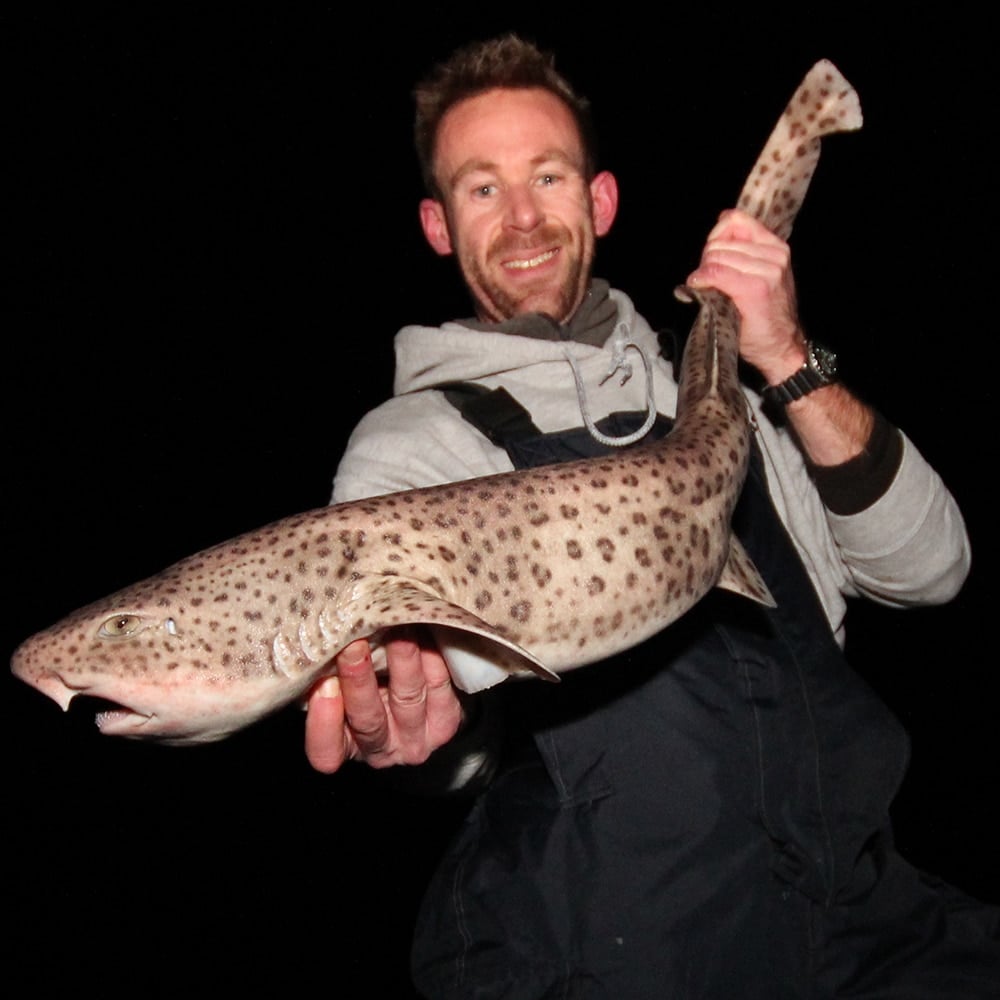
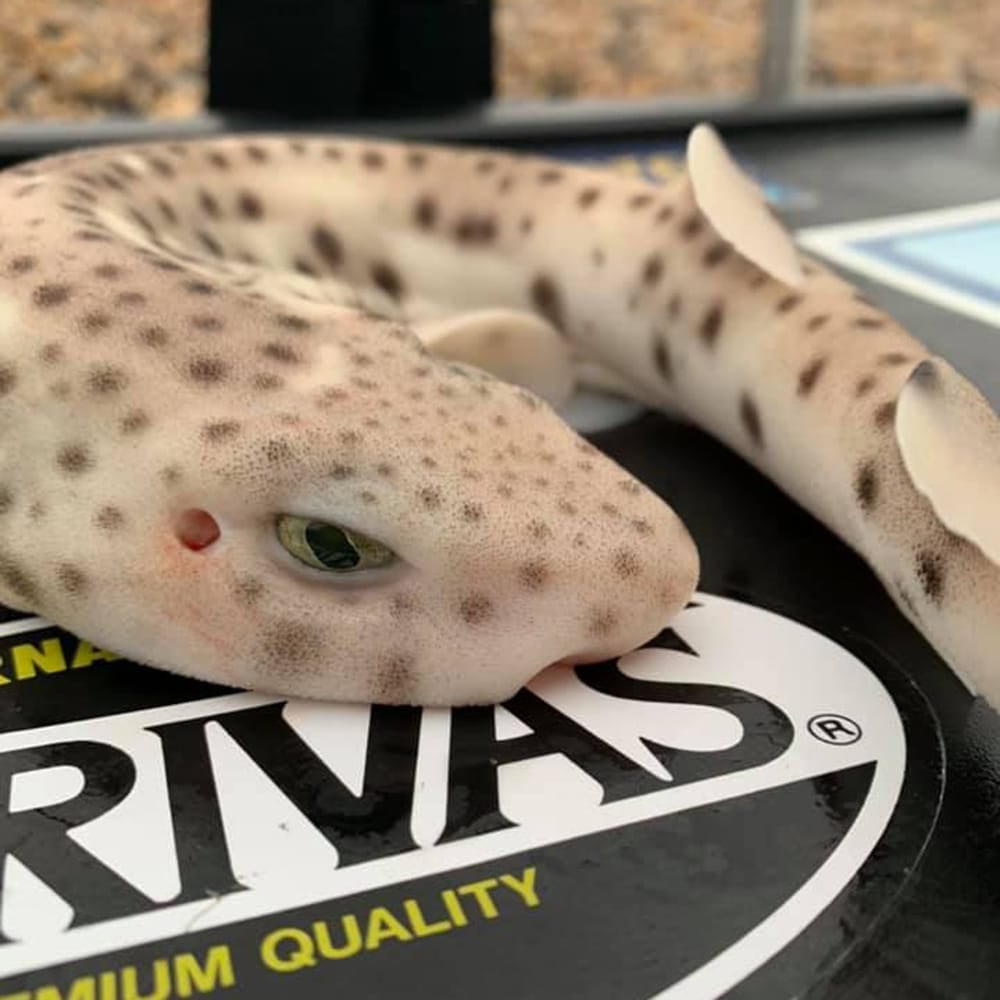
The bull huss is a species synonymous with the spring and although it is very possible to catch this curious looking shark all year round, it is the first quarter of the year that offers the best chance of landing a specimen fish. Jansen Teakle talks us through his approach.
Bull Huss are not difficult fish to catch, but as with any species there are a number of little things you can do improve your chances at catching.
Terrain
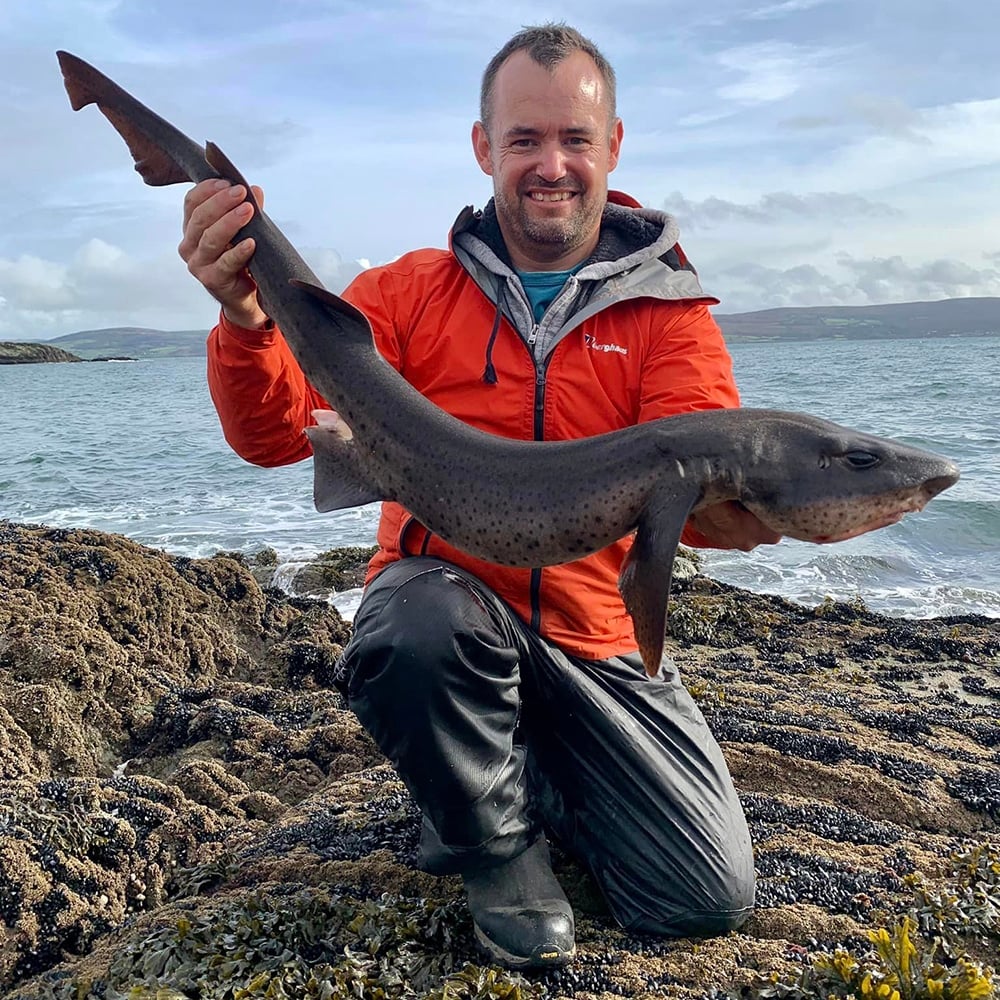
Bull Huss love broken ground, rock, reef and in particular, kelp. In the spring, female fish will move very close to the shore to drop their purses in the kelp, so begin by finding a location that is weedy. It doesn’t necessarily have to be deep and many fish are caught in just a few meters of water.
Feeding time
The best time to fish for huss is when there is colour in the water. Huss will feed in daylight, but generally they are more active when the water has been churned up by a recent storm. A strong onshore wind will also encourage the smaller fish to feed which make up the bulk of the huss’s diet.
A calm and settled sea is unlikely to provide results, but it may still be possible to catch after dark.
Some marks will fish better over high tide and some over low tide- this is something that only experience at a venue will reveal.
Tackle
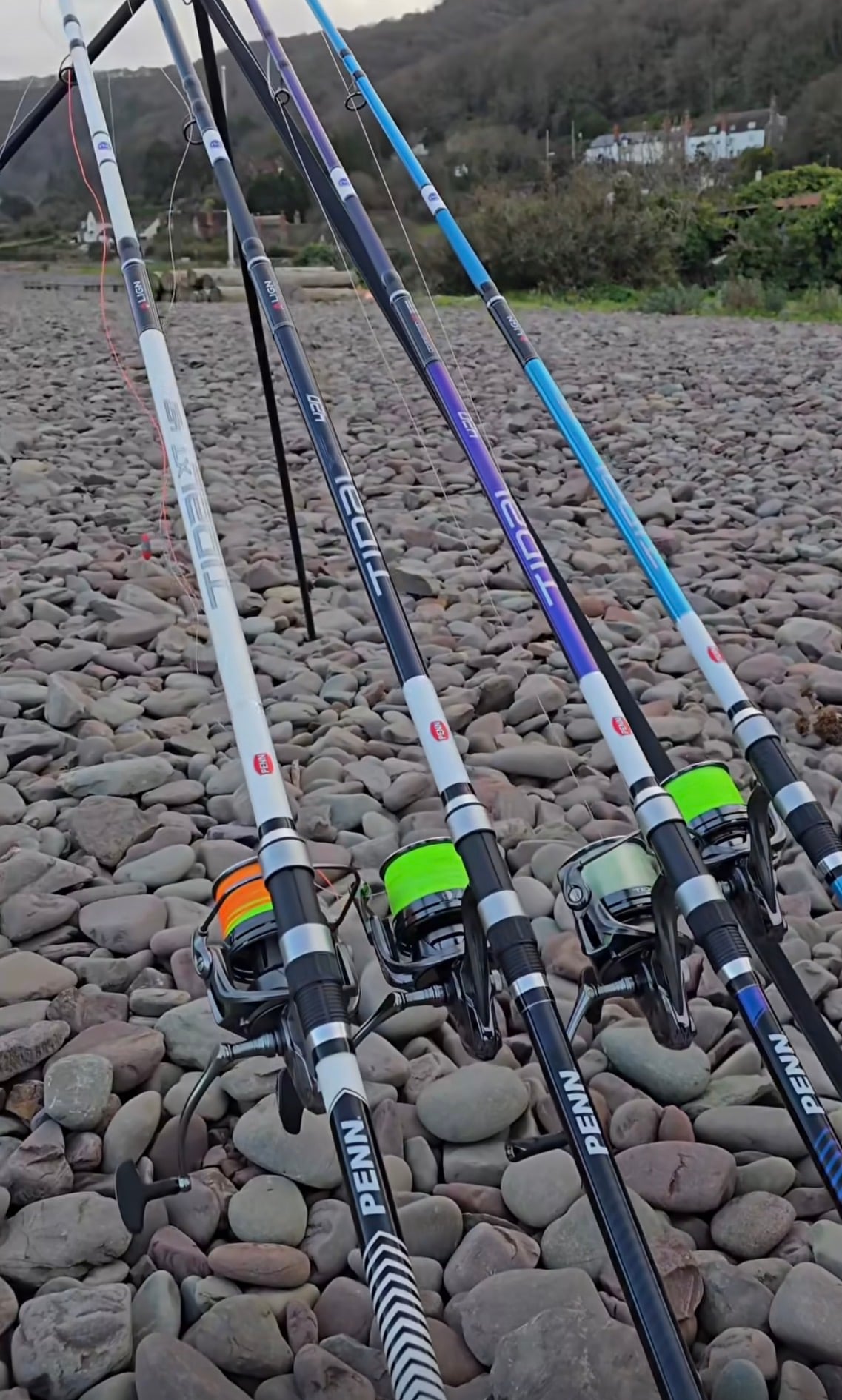
Think heavy. The ground that you will be fishing over will dictate the use of some pretty stout tackle, so think poky rods and reels with the capacity to hold heavy line and a fast retrieve to get the gear moving. Huss have a habit of taking a bait and hiding with it in the kelp, so having a tough set up that’s capable of extracting them is essential.
Pulley rigs have always been my go to for any bigger species, and the Huss is no different. My hooks of choice are standard Varivas Big Mouths in a 5/0 size. They are the perfect gauge and incredibly sharp. It’s so important for the hook points be perfect and when you see the mouth of a huss, you’ll see why. A rotten bottom will save the rig and hopefully your catch, should the lead become snagged. If I am specifically targeting bull huss I’ll use a mono trace of at least 100lb, but if there is a chance of other toothy species such as tope or spurs dogs, I’ll use a wire trace.
Bait
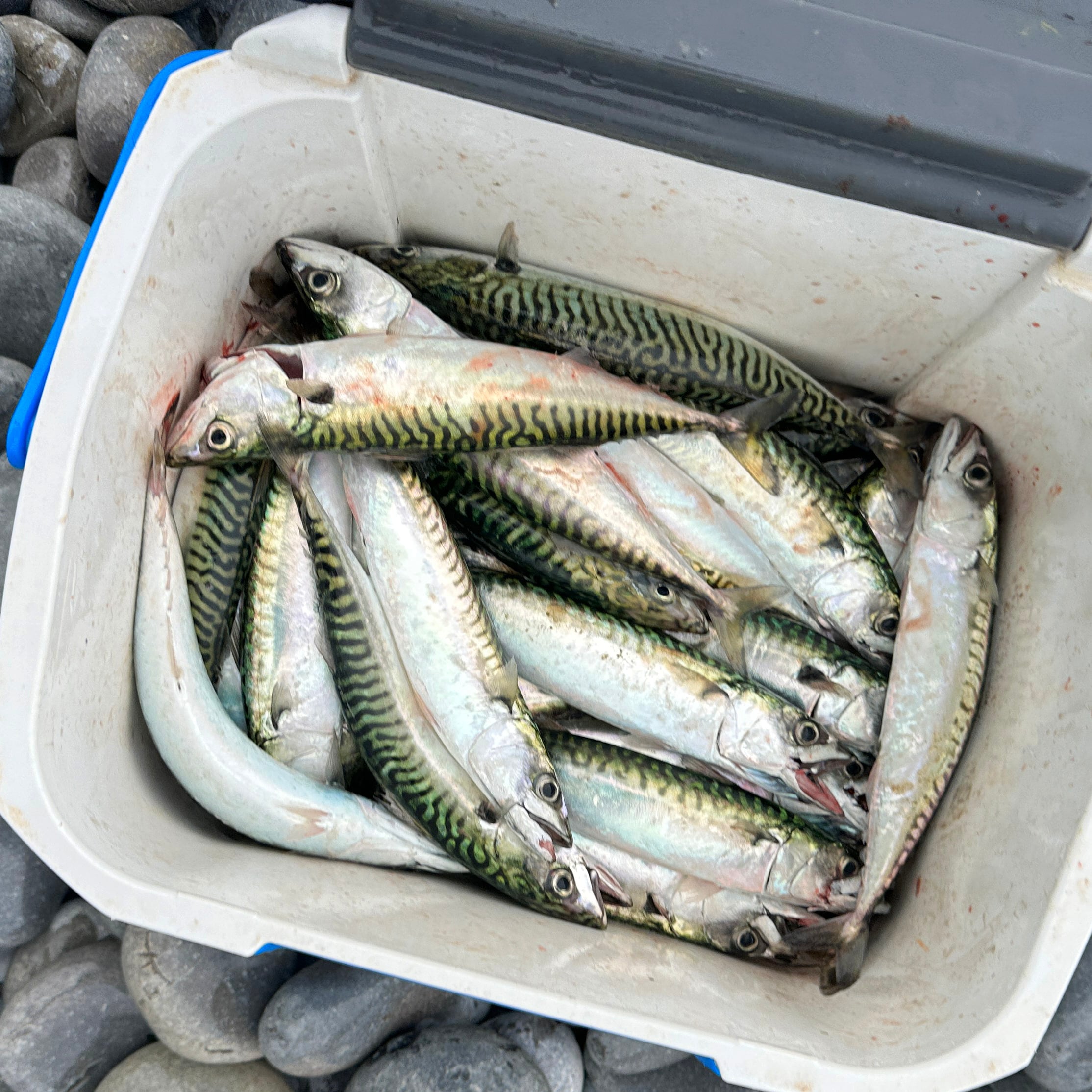
Huss are not fussy eaters and will take all of the popular fish and squid baits, either fresh or frozen. It can be beneficial to catch some small rockling, pout or whiting on a second rod that can be used to bait the huss rod. My personal favourite baits are frozen whole Joey mackerel or a fillet of fresh rockling. Both have scored well for me on their day.
Fish care
Huss can be eaten, but the majority of anglers will release them after a picture or two.
A sling should be used when weighing your catch to support its organs.
A T Bar and long nosed pliers are useful for hook removal, you don’t want to be putting your fingers anywhere near that mouth!
Top tip
Bites can be finicky and huss are notoriously difficult to hook at times. Ensure your hook points are standing proud of your bait and allow the fish plenty of time to take the bait.
It is a common occurrence for huss to hang on to a bait all the way in, only to reject it (often along with their stomach contents) right at the edge.