

Blog
Conger – A Plan of Attack

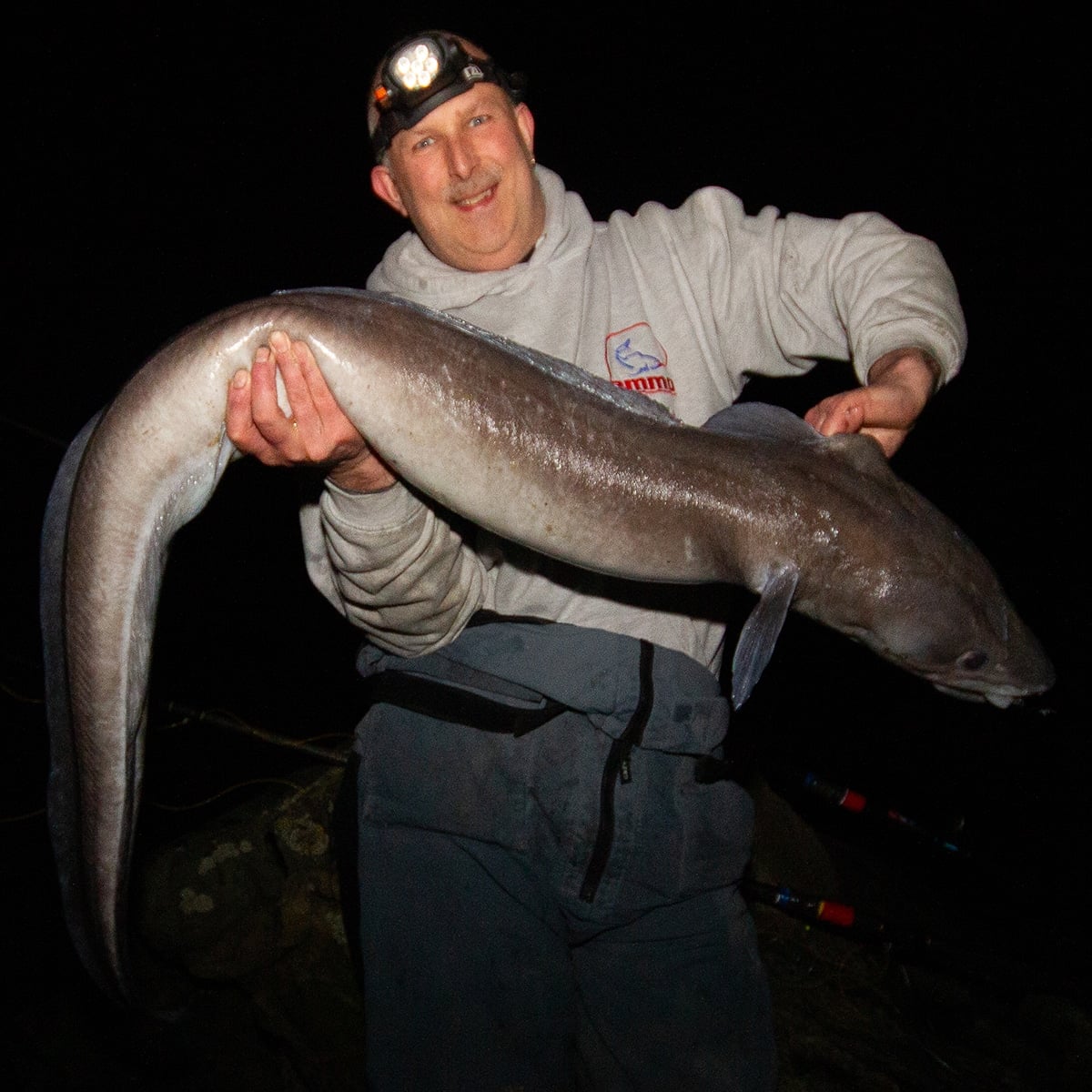
Jansen Teakle offers his thoughts on the best approach when it comes to setting your sights on a conger eel from the coast.
The Where and When
Undoubtedly, the most productive parts of our coastline are in the south and west of England. Cornwall, Devon and Dorset are all potentially capable of producing a record toppling eel and it surprises me that the record has stood for so long. Landed from Devils point in Plymouth way back in 1991, Martin Larkins specimen of 68lb 8oz would be your target to beat, but before you rush to discover this eel mecca, consider the many, many hours that were committed to pursuing this beast. The time it takes to seek out bigger fish is synonymous with the pursuit of hunting out big fish, or the much cliched ‘specimen hunting’ if you prefer. But to throw some perspective on things, I have never personally landed an eel larger than twenty-something pounds. That is despite much time and effort on the venues that have historically produced the goods. Devils Point is not the be all and end all of eel fishing though and it is probably something of a coincidence that the larger fish are landed on the familiar marks. Perhaps these are fished with some exclusivity while other likely fish holding area’s are left alone? Although it makes perfect sense to fish a mark that you know has produced big eels in years gone by, take a look at them and mirror their constants. Deep water, hellish rough ground and a smart run of tide are all common themes. This combination of attributes can be found across the coastline of the west country and so by locating these you will not be far away from conger territory. Under the cover of darkness is when the eel feeds most confidently and if you are serious about any regular success, it is during this time that you should offer your baits. Heavy sea’s can destroy water clarity on some venues and bring bait fish on to feed during the hours of daylight. This in turn can draw the eel from his hangout and on the prowl in search of bait fish with the same confidence with which they feed. Chesil Beach in Dorset is a classic example of this and there have probably been more eels over 50lb landed from this steep shingle beach in recent years than at any other venue in the UK. Piers, Jetties and landing stages are also superb conger holding area’s as by their very design there will be debris from their construction scattered around the immediate area. Choose a venue, persevere with it and don’t be concerned if the piece of rock you fish from has no name on a map.
Choose Your Weapons
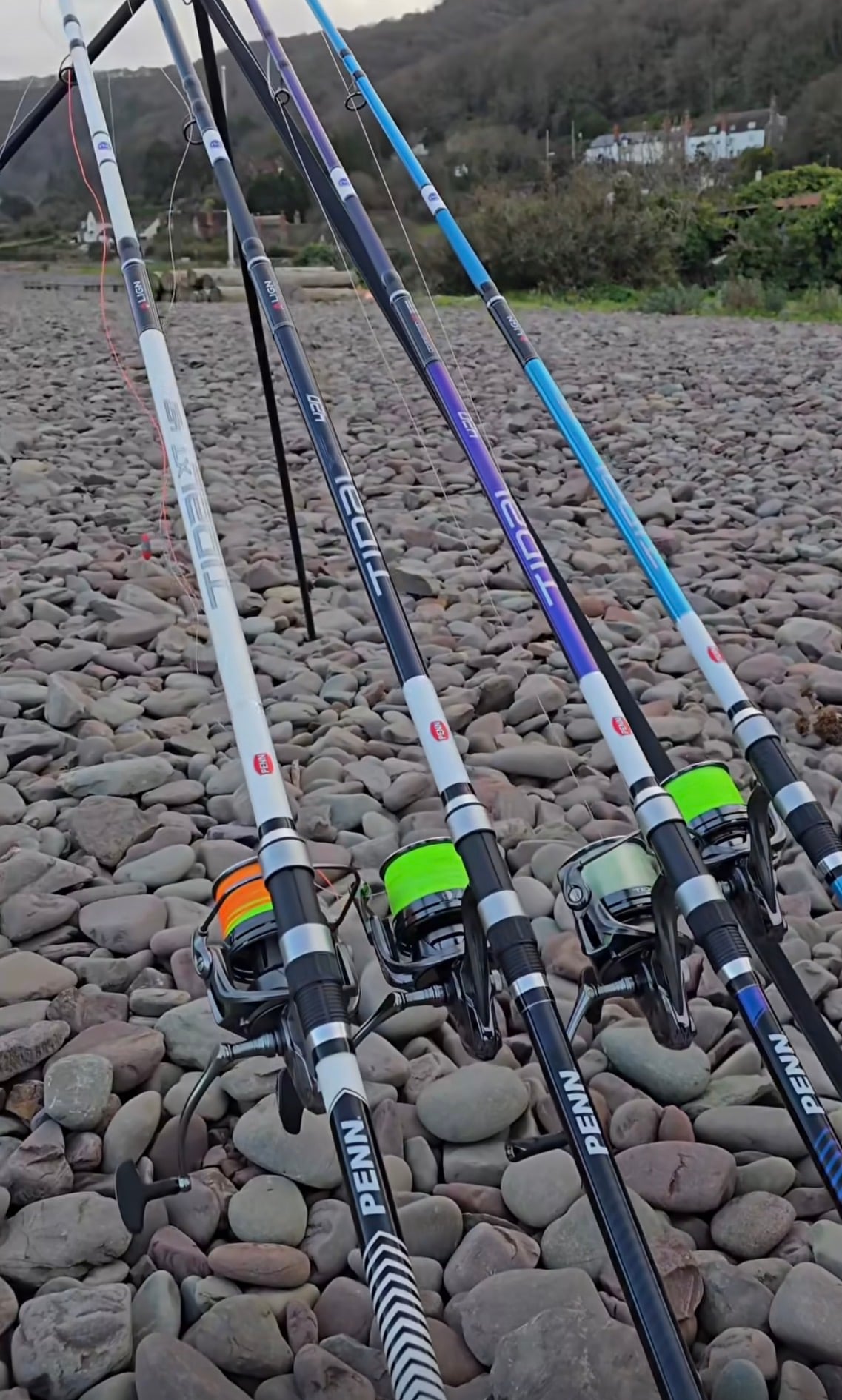
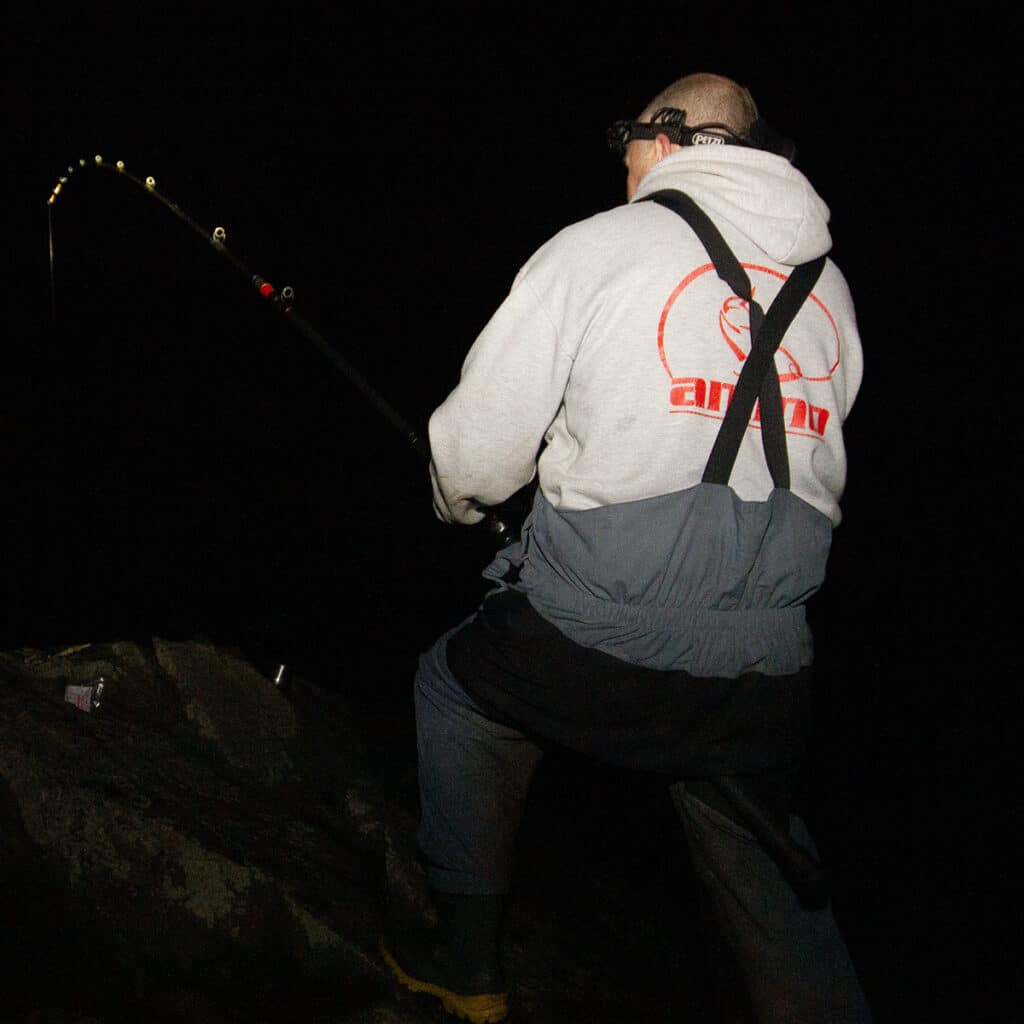
For the majority of shore fishing I would usually recommend the use of either a fixed spool or multiplier, but when the going gets tough and you need that direct winching power, only a multiplier will do. It is unlikely that you will have to fish at any great distance owing to the depth of water and the nature of the ground you will be fishing over, so a multiplier, even in the hands of an inexperienced caster, will be the better tool. Modern multipliers are incredible pieces of engineering and offer tremendous torque thanks to the fine tolerances used in their construction. When you turn that handle, you need every crank to count towards getting the eel to the surface.
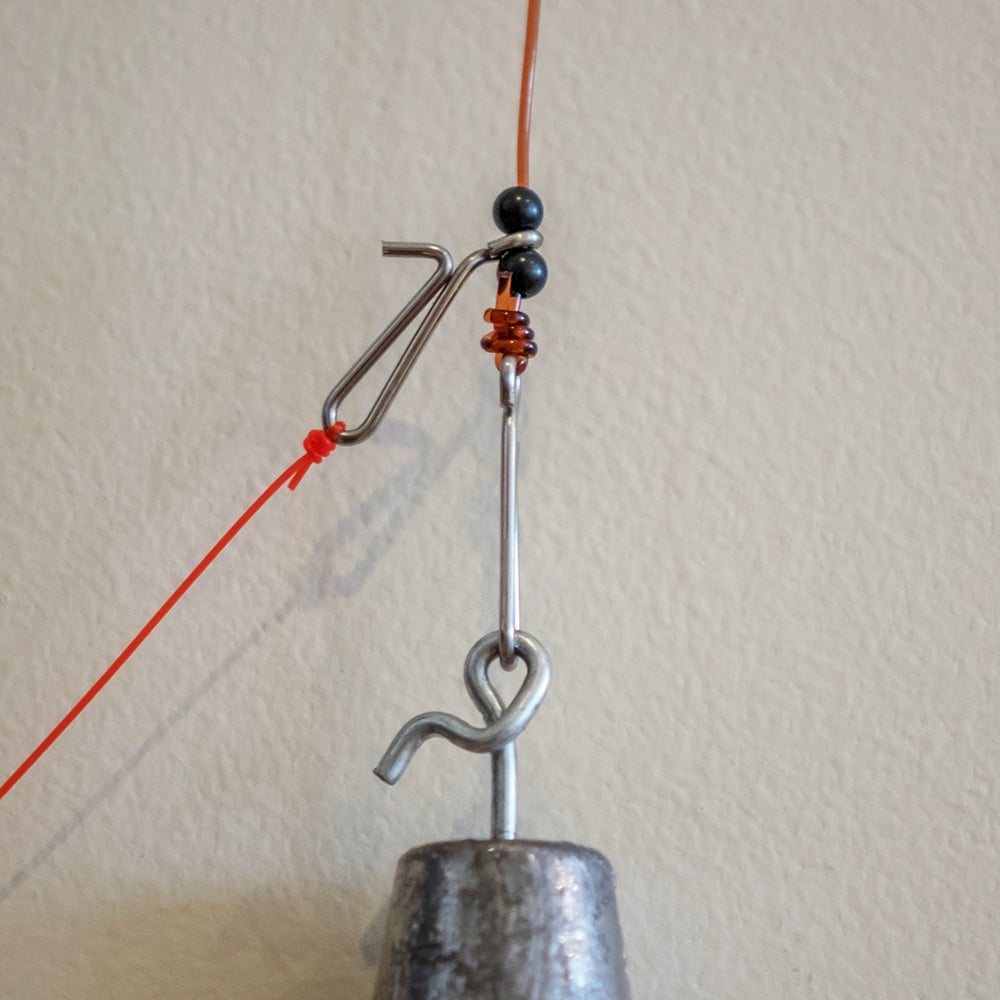
A ratchet is also invaluable and should be used when awaiting a bite. Rigs can be as simple as a weak link paternoster or running ledger, but there is some debate over choice of trace material. I personally favour 150lb wire, but many anglers are happy to fish with mono in excess of 200lb. Wire undoubtedly offers the greatest resistance to the eels teeth, but thick monofilament can be handled with a little more comfort should the need arise to haul a fish out by the trace. Don’t mess around with small hooks if you are dedicating yourself to a big eel, even a double figure example will happily engulf an 8/0 and a penell set up will give an even greater chance of a happy hook up.
Match the Hatch- Bait
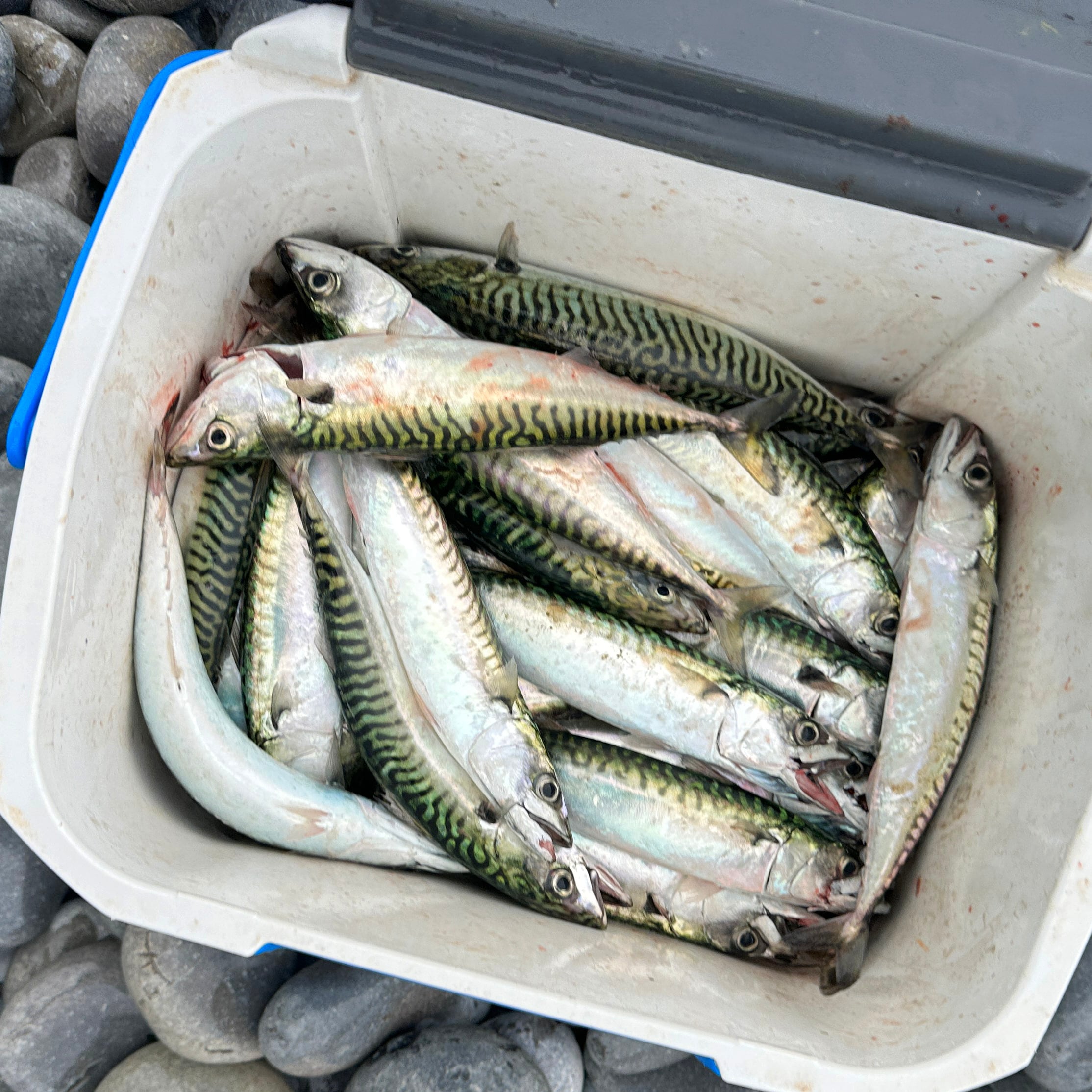
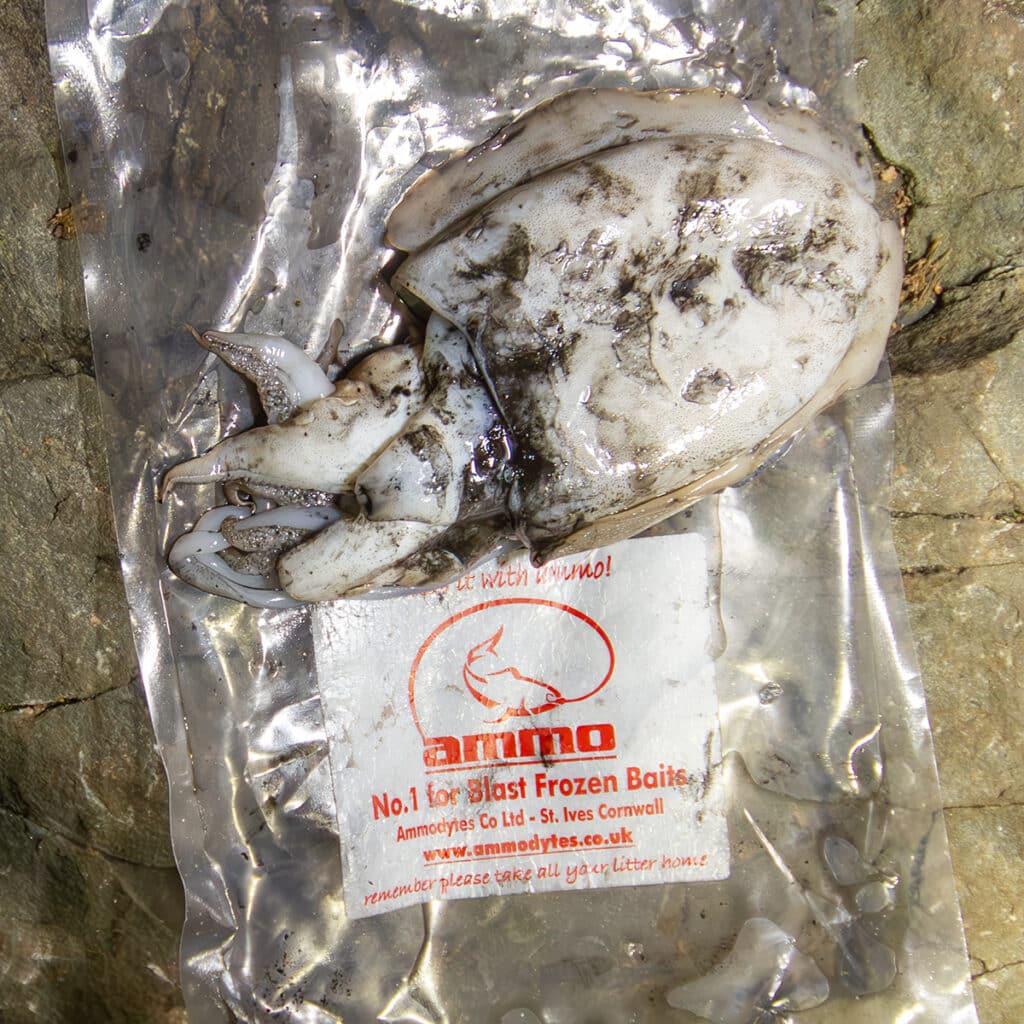
A phrase commonly used by fly anglers opting for a fly pattern to suit what the feeding fish are rising to and one that is just as applicable to the sea angler. If you are fishing a spot that is loaded up with rockling, this is what the eel will be used to feeding on, so a good tactic would be to carry some rigs with smaller hooks to catch your bait before you set up your eel shop. At other venues, there will be mackerel present that can be easily feathered out and used fresh as soon as darkness falls. Another phrase that gets banded around is ‘Fresh death’ and it is well worth remembering. A freshly dispatched fish from the venue you are fishing will far out fish a frozen offering of the same.
The Big Fight
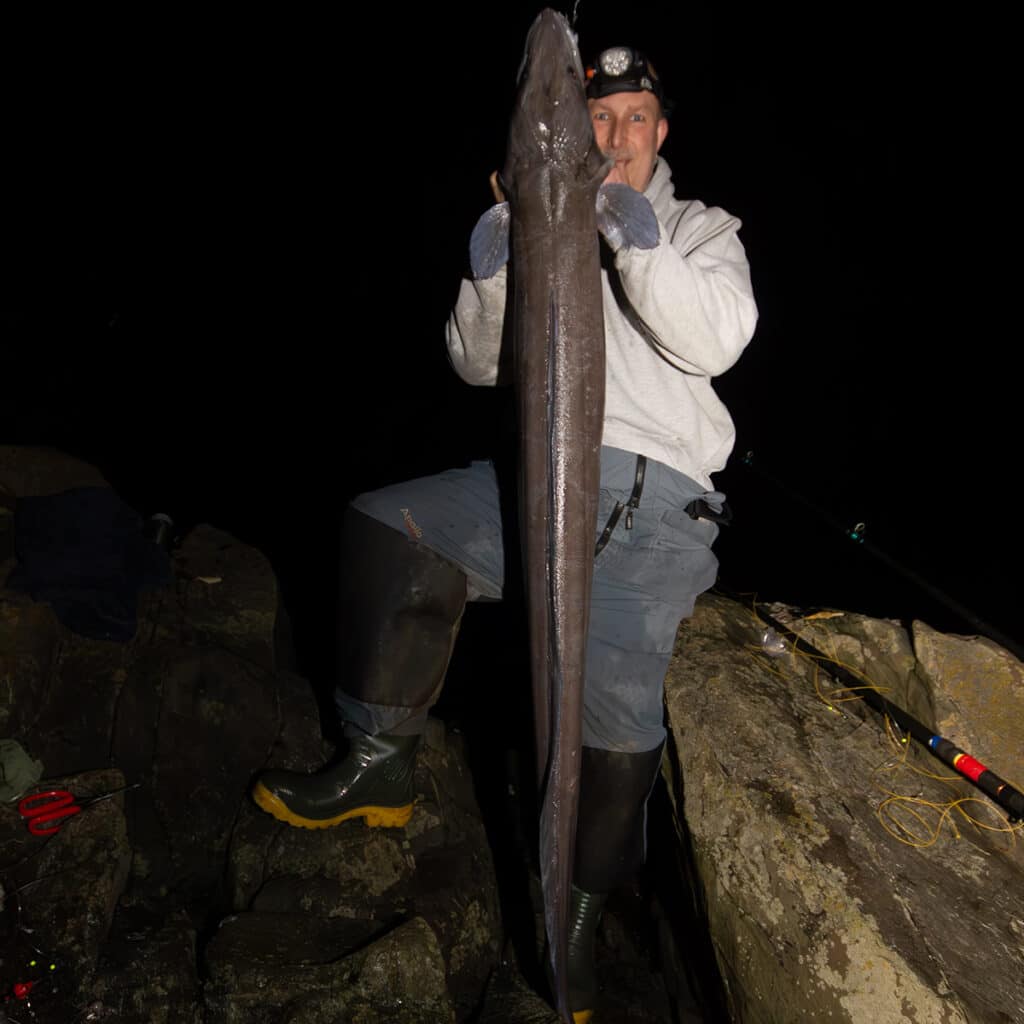
An eel bite is more often than not a serious of gentle plucks on the tip and you will almost give the impression that the eel is ‘fiddling’. Line will fall a little slack and when slowly tightened will fall slack again. Give it time. A large, dead, rockling or pout bait may be viewed as an easy meal and so the eel could take its time. So take yours. Be patient and when you feel the time is right, wind down any slack and strike like you mean it. Pump and wind for all you are worth and give the eel some serious stick. Getting it away from the sea bed is half of the battle and if you get this far, you are winning. The rod will thump hard as the eel kicks, if you are fishing a decent depth
of water there may be occasion to release the clutch a little to allow the eel dive and prevent the line from breaking, but this is a rare thing and as a general rule of thumb don’t give him an inch.
When He’s Almost In the Bag…
Don’t get complacent. They don’t come any more slippery than a conger and he will do his upmost to literally slip through your fingers, if you get that close. An eel on the surface will try to dive but try and keep his head above water. Another favourite trick is for him to spin insanely, which experience has told me is a great way for him to throw the hook. When he settles, this is the time to consider your landing options. A large drop net is effective in good conditions and is certainly kinder if you plan to release the eel after the fight, but in heavy seas it can be a real hindrance. A gaff, although viewed by some as barbaric in modern fishing, remains an effective tool for a job, but takes skill which only comes with practice.