

Blog
Rotten Bottoms – What To Use And Why

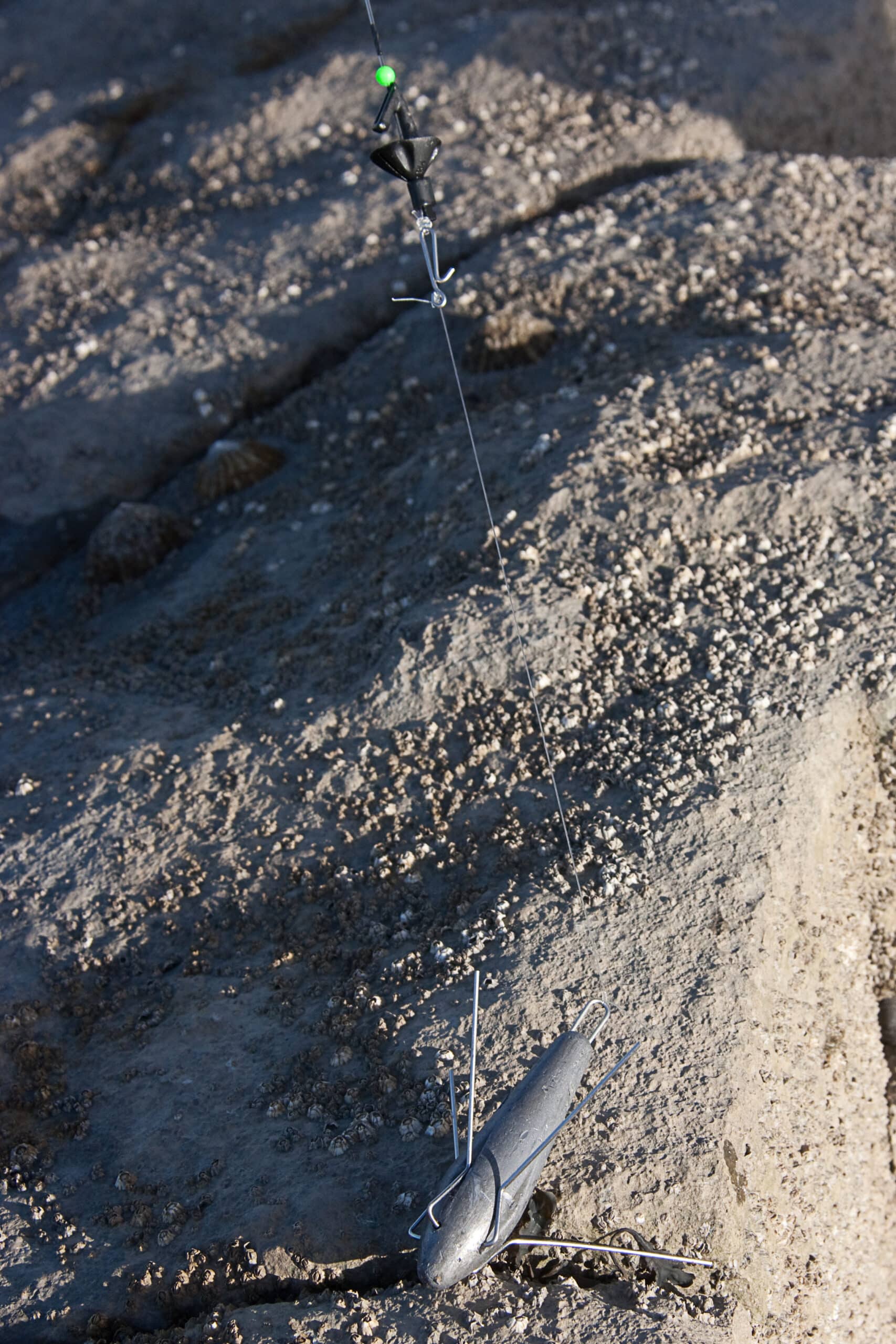
A rotten bottom is a weak length of line between your fishing rig and sinker.
If the rig should become snagged in the sea bed, it means that when you pull for a break, the lead weight will snap off and you’ll be able to retrieve your rig and fish. Without the rotten bottom, the next most likely part of your setup to snap would be your shock leader knot, meaning that you’d lose everything. For this reason, anyone fishing over what would be regarded as snaggy ground should use a weak link between the lead and the rig. But what should you use?
Jansen Teakle shows us his three favourite options.But before we get on to the clips themselves, it’s important to discuss the safety aspects of using such a device. It goes without saying that if a weak link can snap when pulling for a break, it could also snap when making a cast. It’s essential to understand how your chosen weak link system works to ensure the safety of other beach users
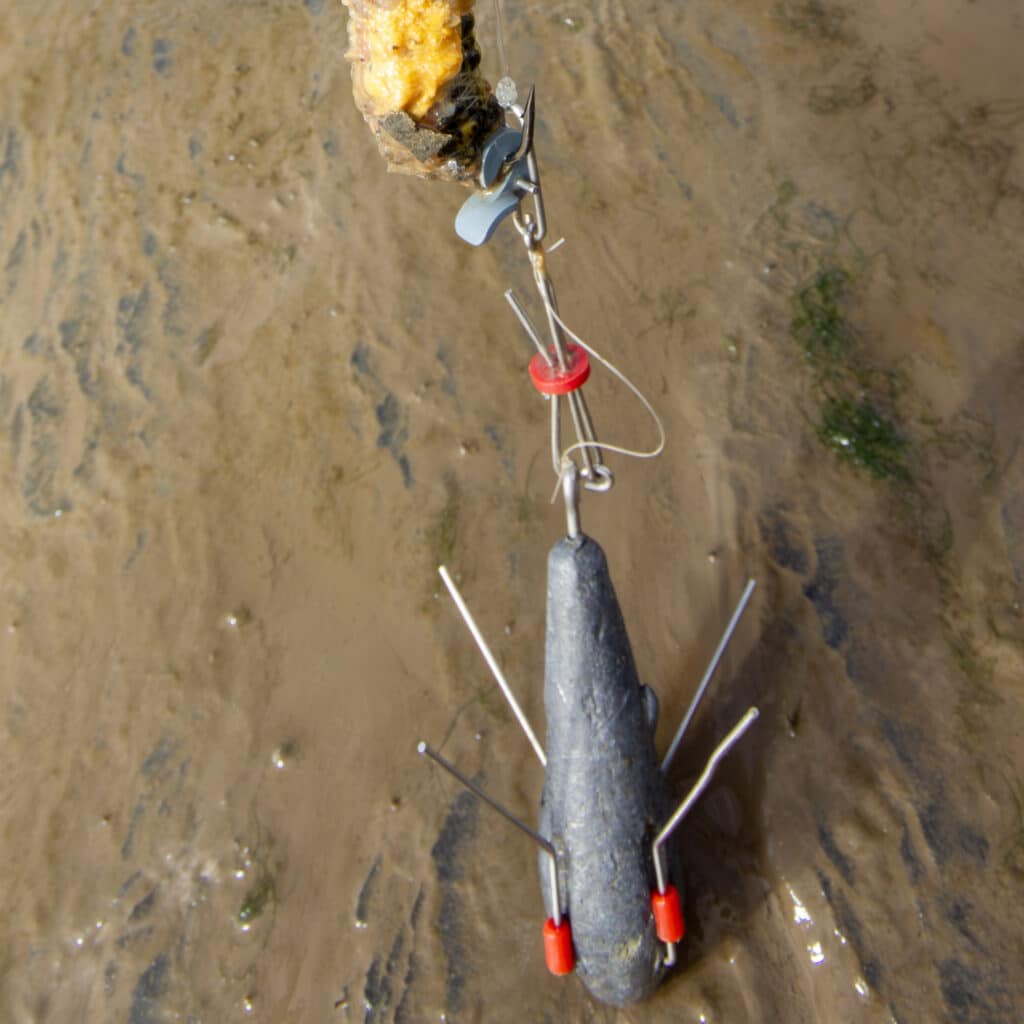
VMO RBC Clip
These are so simple, neat and cost effective. The RBC is a very small hook that you clip to your lead clip. One end of the weak line is then tied to the clip and the other to the lead weight.
When making a cast, the lead is hung from the clip. As long as the cast is smooth, the lead weight will remain on the clip throughout the cast. As soon as the rig touches down on the sea bed, slack line will cause the lead to fall from the clip, remaining attached to just the weak line.
Gemini Big Bait Clip
Technically this is not a rotten bottom clip, but when attached to the end of your rig upside down it makes for an excellent weak link system. It can be used in exactly the same way as the RBC clip but the extra long tag end offers an additional degree of security. The added bonus is that the weak line can be tied directly to the eyelet. Both the Gemini and RBC clips work best with a larger lead loop, so if you make your own leads it’s worth bearing this in mind when casting them.
Gemini Breaker
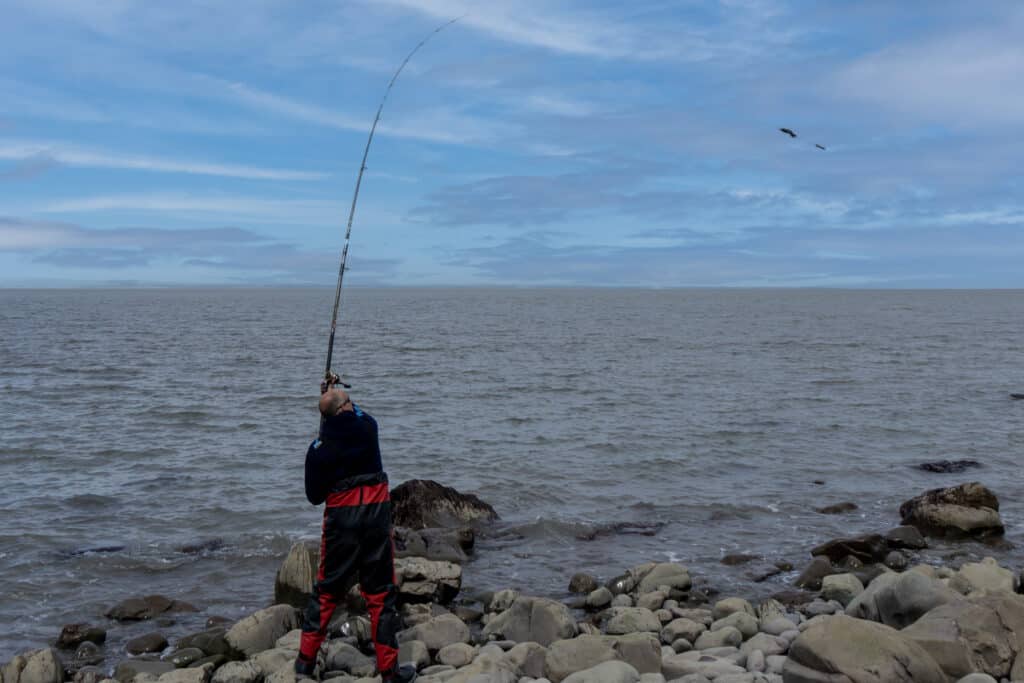
This one is totally different to the first two and relies on water pressure upon impact with the water to release the lead, leaving it attached only to the weak line. It’s also the only rotten bottom system of those mentioned that keeps the lead weight totally captive meaning that more powerful casts can be used without fear of the lead weight becoming detached from the rig mid flight.
How weak should the weak link be?
It’s important to get this bit right. If you go too heavy, the link will be unlikely to break, defeating the whole purpose of using a RB. If you go too light, the weak link could snap at such a time as winding down to the lead after making the cast or when the end tackle breaks the surface on the retrieve. I have always found that matching the weak link breaking strain to that of the mainline, is about the right balance, though a couple of pound lighter is unlikely to have any negative effect.
When pulling for a break, always use gradually pressure. Keep the line tight, point the rod tip at the snag and walk back a few paces. Hold it there. If nothing moves for twenty seconds, repeat the process. But steady pressure is key, jerky sudden movements could snap the leader knot.
Providing it is the lead that is trapped and not a hook, the weak link should part and you’ll be able to retrieve your tackle and maybe even a fish.