

Blog
Sea Fishing Bait – Popular Choices Explained

There are many many choices when it comes to what bait you put on your hooks so knowing what to use, how to use it and when is crucial if you’re to catch any fish. Jansen Teakle talks us through a few of his favourites and how to get the best out of them.
Having the best quality bait will give you a fighting chance of catching your target species. Whether it’s frozen or fresh, knowing how to look after it is a practical skill that any sea angler should possess. Let’s take a look at some of the baits that you should be putting on your hooks.
Lugworm
Undoubtedly one of the number one baits for a multitude of species and the go-to for anyone looking to catch something. The appeal of lugworm to species such as cod, whiting, pout and flatfish is like a drug and if it’s bites you’re looking for, live worms are hugely effective.
There are three types of lugworm that are of interest to sea anglers- blow, black and yellow tail. Blow lugworm are the most delicate and require the most care to keep them in good shape. They can be stored in shallow trays of sea water and kept cold in a fridge. This is known as tanking. If you only intend to keep blow lugworm for a few days, they can be wrapped in newspaper and kept cool, again in the fridge.
However you keep your blow lugworm, it’s essential to monitor the worms on a daily basis and remove any dead worms. Dead worms will contaminate the rest and left unchecked will kill the rest. Because blow lugworm contain a high water content, they are not suitable for freezing. Both black and yellow tail lugworm have thicker, tougher skins and can be frozen. Both of these worms can be gutted- simply snip a couple of millimetres off the head and squeeze the guts out.
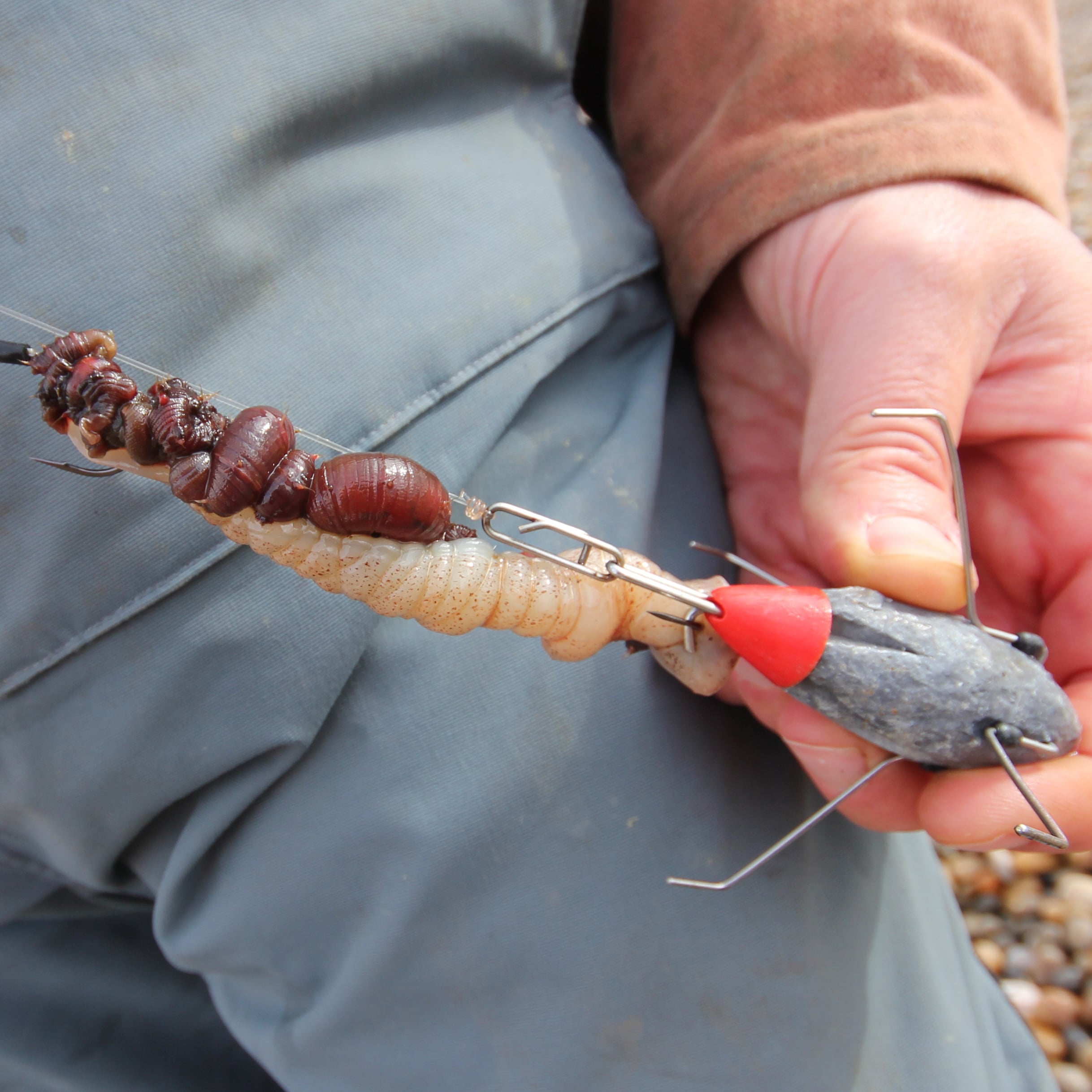
This may sound grizzly, but it makes for a fantastic tough and durable bait that is particularly effective for flatfish such as dabs and plaice. They should be fished on small Aberdeen style hooks and usually one worm per hook will be sufficient. Cod in particular have a huge appetite for lugworm and most anglers will aim to create a larger bait with anything from two to five worms on hooks between 2//0 and 4/0 the norm for a good size bait.
Ragworm
Another type of worm that is valued for attracting smaller, shoaling species, but equally as effective for some larger species of fish when bigger baits are used. Ragworm sold in tackle shops will be either farmed or wild and personally I would favour wild ragworm. Farmed ragworm will certainly catch and I have seen some good fish landed on it, but you can’t beat wild ragworm taken straight from the ground with its striking red colouration.
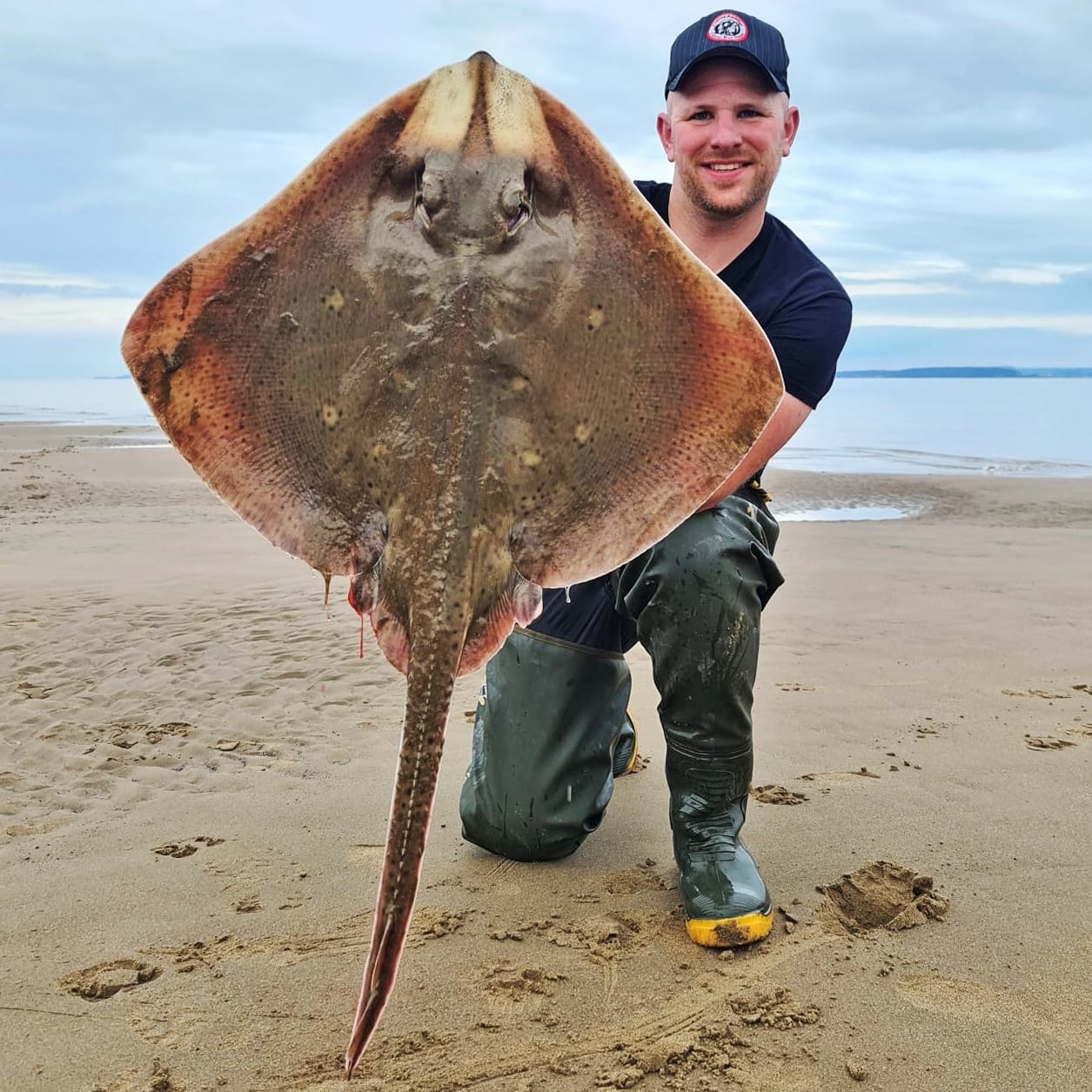
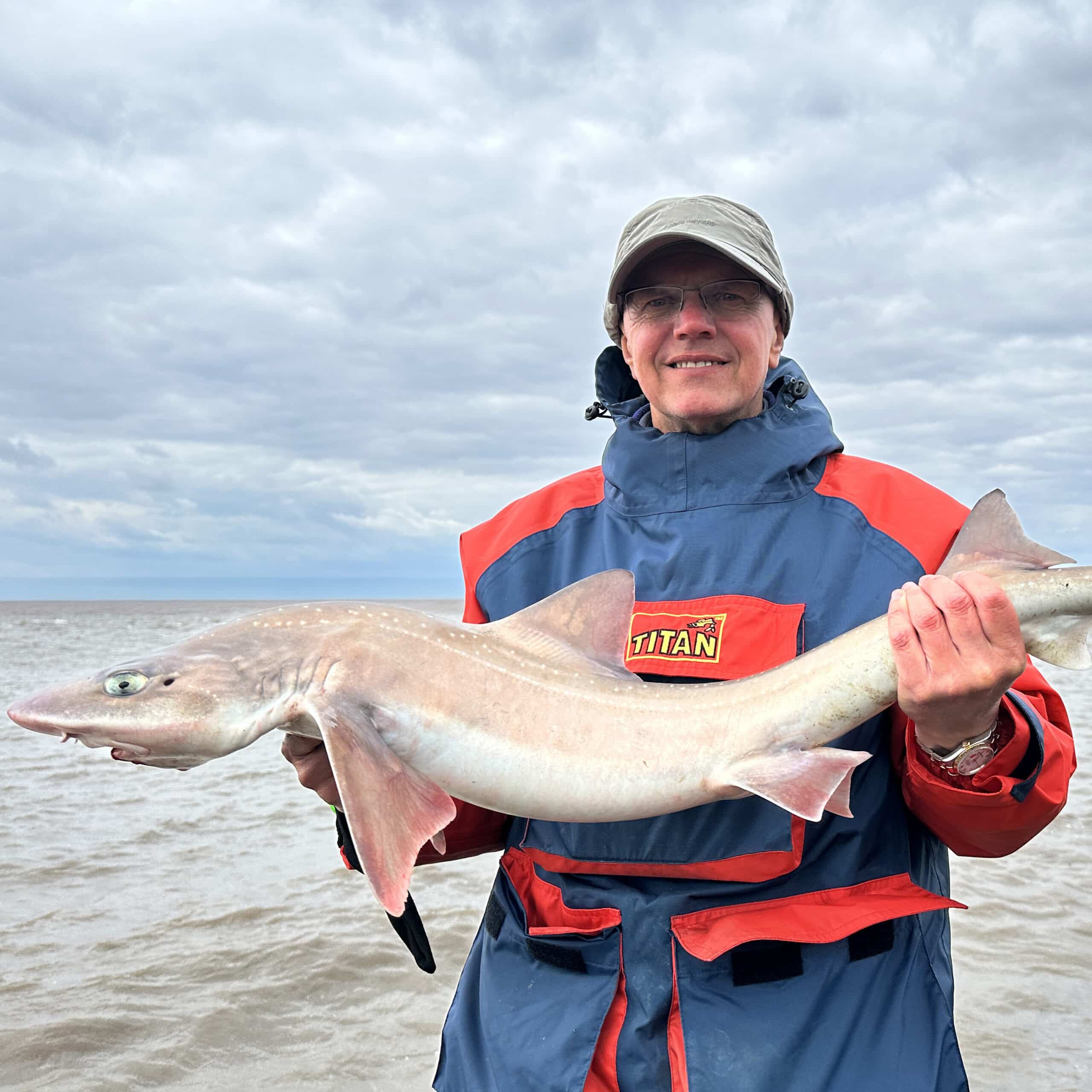
Dug ragworm can also be kept in shallow trays of sea water, but in the case of farmed ragworm, it’s better to wrap it in newspaper and keep it in the fridge. Again, remove any dead or dying worms that could contaminate the rest. Single ragworm baits on small hooks will catch flounder, pout, whiting, eels, rockling and more, but several worms on a Pennel rig can make an effective bait for rays, bass, smoothhounds and even stingrays.
Mackerel
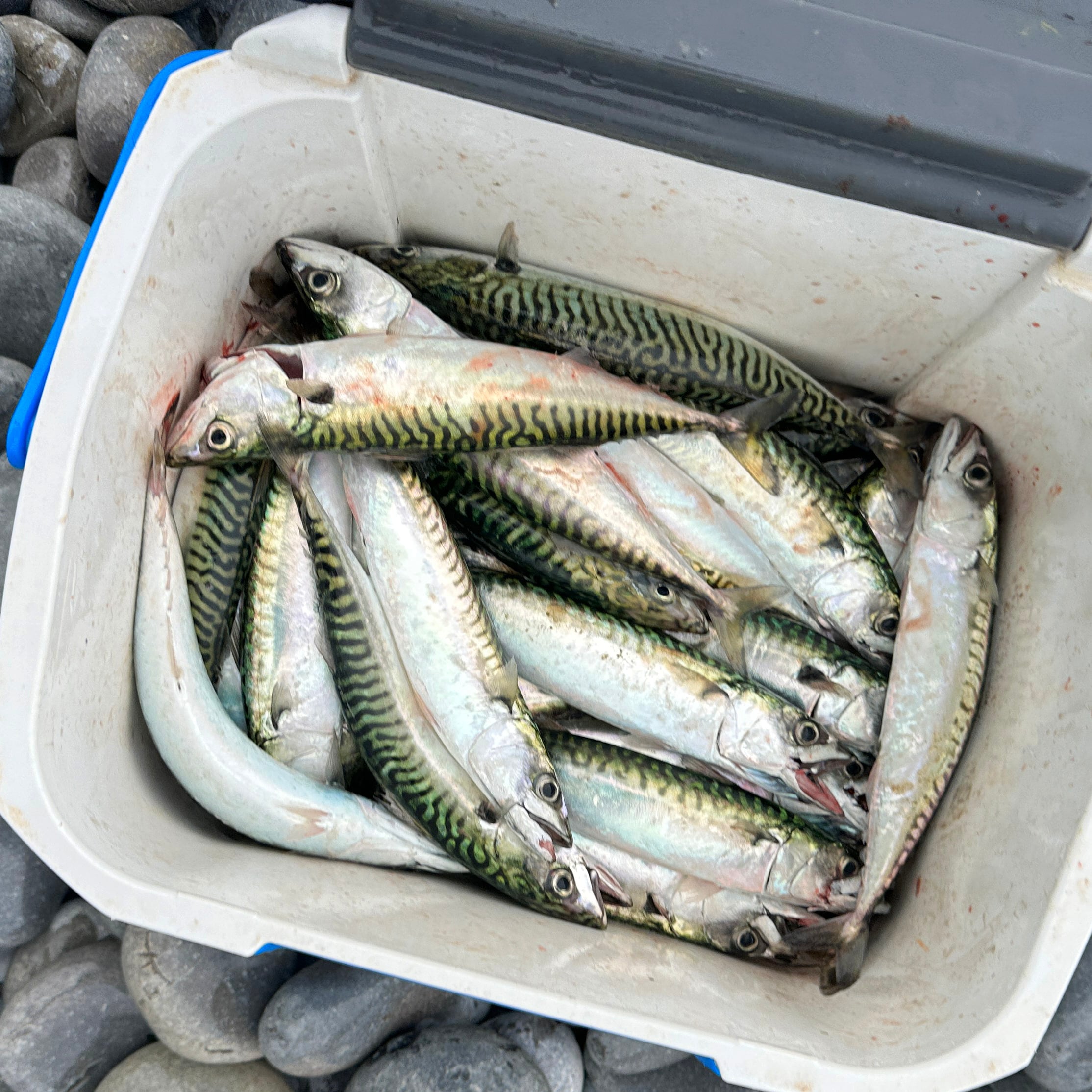
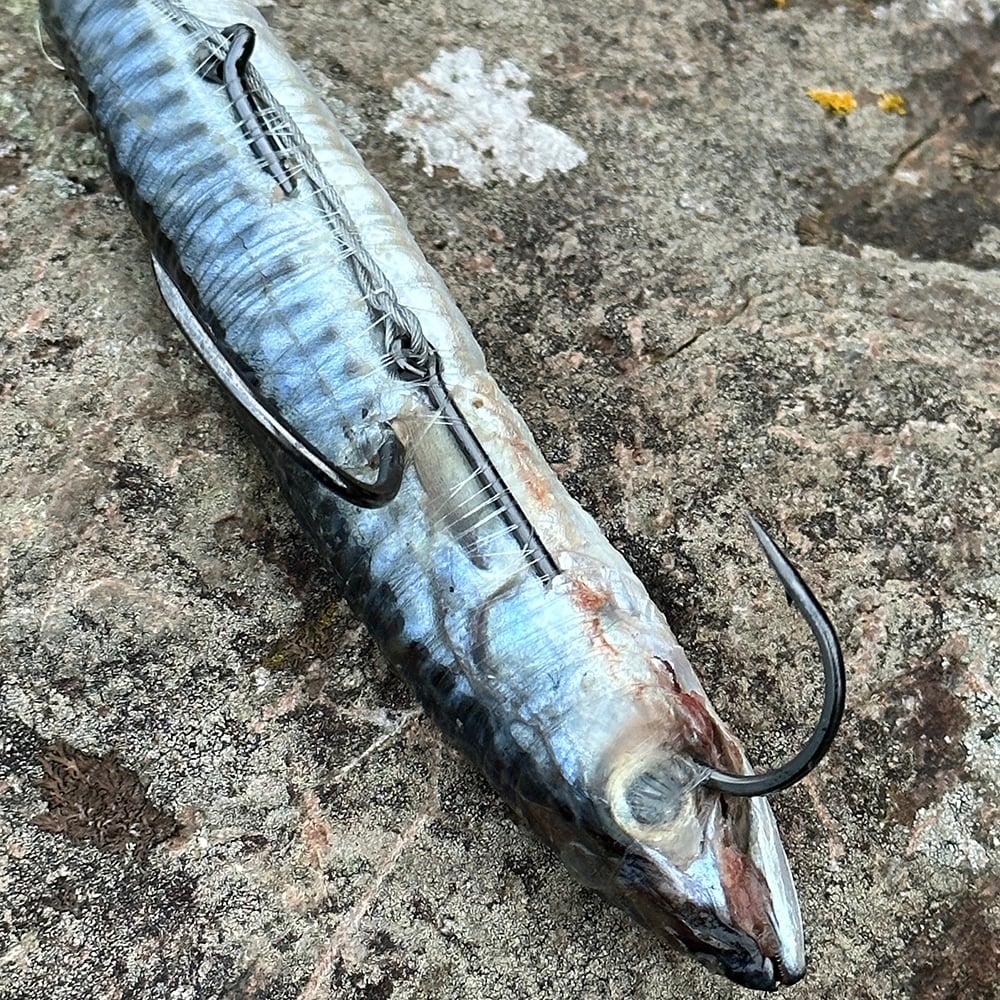
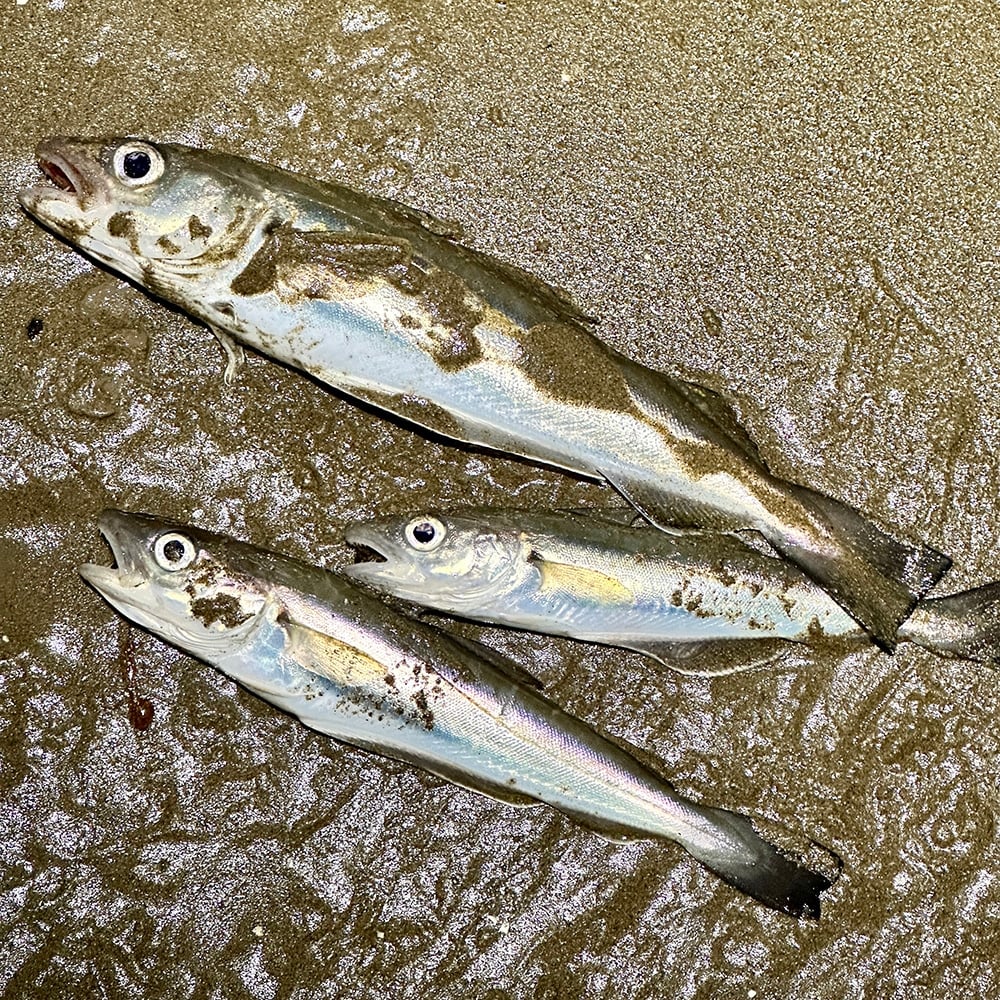
A cheap and effective bait, mackerel can be used fresh straight from the water or frozen. This makes for a highly versatile bait that needs little management and it’s appeal is far and wide, in terms of those fish that will readily take it. Big mackerel baits should be fished on hooks of between 6/0 and 8/0, depending on the size of the bait and the fish you are targeting.
Catching mackerel in the summer and freezing it yourself for use later on in the year will mean that you’ll always have a supply of bait ready to go, but be sure to only take what you need. Keep fresh mackerel cool and aim to have them in the freezer within a couple of hours of capture. Tope, conger, bull huss and rays all love mackerel. Strips can be fished on smaller hooks for species such as whiting, dogfish and pout with great success.
Squid
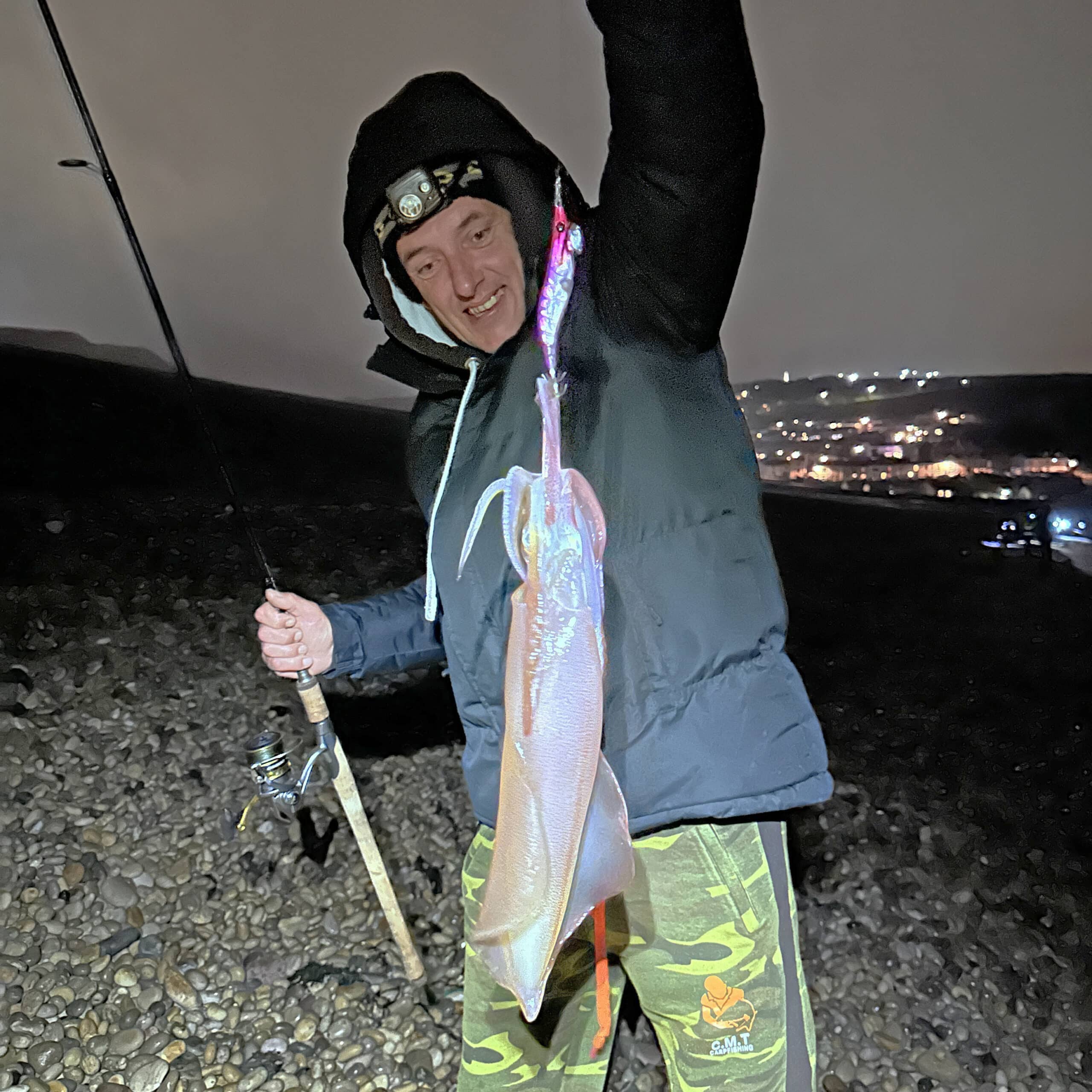
One of my favourite baits, there are very few fish that can’t be caught using squid. A whole squid makes a good bait for species such as cod, bass, rays and even smoothhounds. Thin strips fished on smaller hooks can be used to temp species like bream and even plaice in some regions. The cost of squid has risen sharply in recent years, but it does remain one of the cheaper frozen baits. Squid will keep for many months in the freezer.
Bluey
Relatively new in sea angling circles, bluey has only been on the sea angler’s radar for the last ten years or so. Actually a species named Pacific Saury, the bluey packs an extremely high oil content and it is this that kicks out a strong scent in the tide and draws the fish in. A fantastic bait on the Bristol Channel, bluey will attract rays, conger, codling and bass.
Used in conjunction with squid to form a cocktail bait, it’s my go-to for thornback ray fishing. A streamlined bait will cast extremely well and can be achieved with the the use of a bait tool and some medium grade bait elastic.
Anchovies/Pilchard/Herring
I’ve lumped these three baits in together because they are all equally as effective as each other, in my opinion. These baits have a high oil content and work well for species such as rays, eels, Huss and tope when used whole, but strips whipped to smaller hooks make excellent baits for species such as whiting, pouting and dogfish.
Peeler Crab
Peeler crab can be an incredibly effective bait, but it’s important to give it the care it justifies when a single crab will usually cost more than a pound a piece! To grow, crabs will shed their shell and it is at this stage that they are at their most vulnerable. As the hard shell begins to lift, the new shell is exposed, but it is very soft and squidgy and it is this that many fish species find irresistible.
The best crabs to use on the day are those that are just beginning to split down the sides. Remove the back piece, then the sides, then the bottom, and you will have a soft bait that can be easily whipped to your hook. Crabs can be kept alive in the fridge for a number of days in trays of wet seaweed. A water atomiser (as used for spraying garden plants) filled with sea water is an excellent way to keep the crabs damp.
If they are reluctant to split, removing them from the fridge and allowing them to warm up a little should get the peeling process under way. Peeler crabs can be frozen, but only ever freeze live crabs that are splitting well. Dead crabs are next to useless so never freeze these. Fresh peeler crab probably has a slight edge over frozen and is a consistent bait for species such as bass, codling and smoothhounds.