

Blog
Starting fishing? the best season is here! By jansen teakle

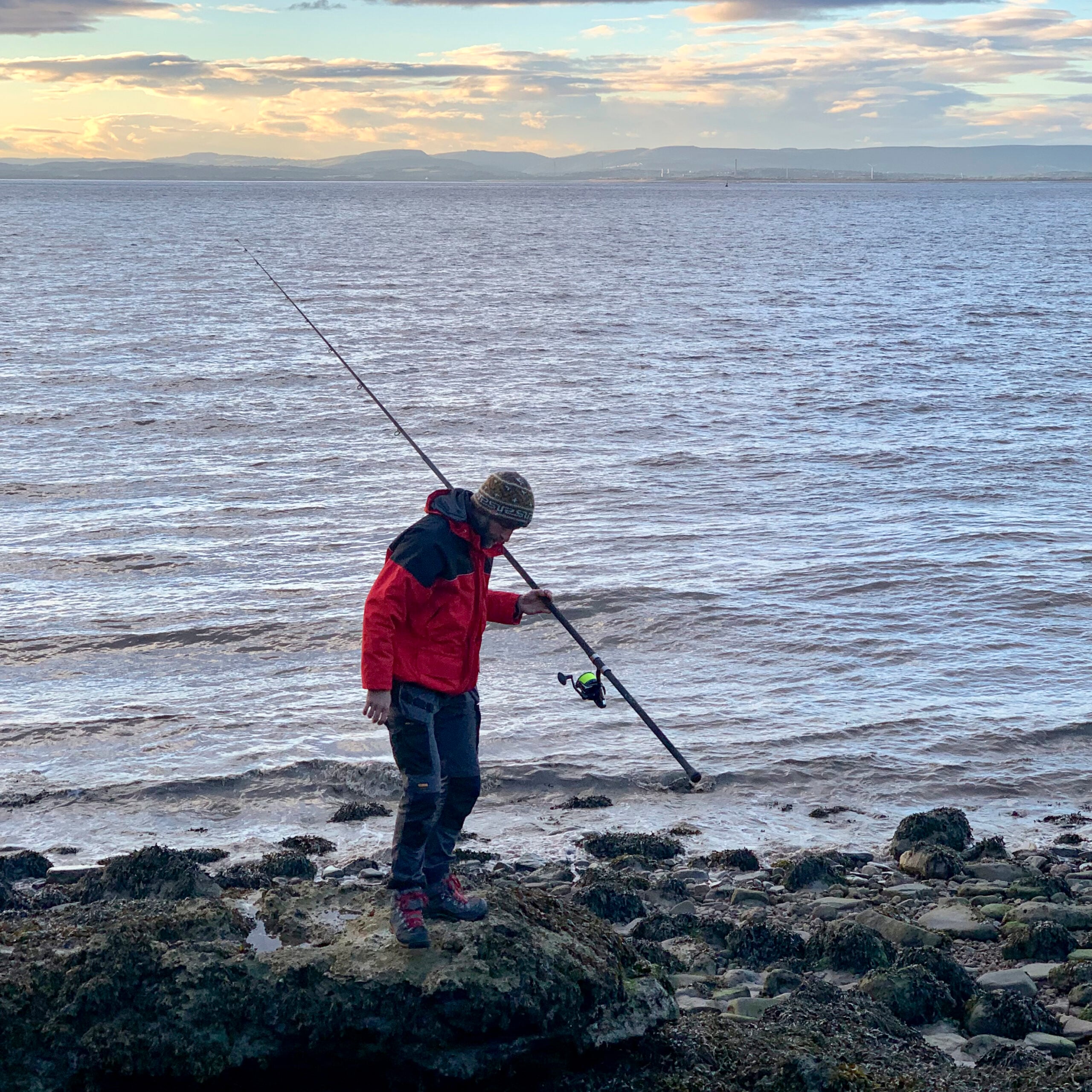
Starting Fishing- The Best Season Is Here.
If you’re considering sea fishing for the first time but the onset of autumn and winter is deterring you, think again, because this time of year is considered by many sea anglers to be the absolute best time to cast a line!
September through to October is certainly a transitional period in terms of species of fish available to catch, as those fish that ventured inshore during the summer months loiter, for the time being anyway, and we start to see an influx of the winter staple that will remain inshore throughout the colder months.
Autumn / Winter Target Species
Seasons do change, but across the last decade we’ve certainly witnessed a more gradual transition. Mackerel are a prime summer species and whereas in years gone by they might have departed inshore waters round about now, it is now not unusual to catch them right up until Christmas and beyond in some areas.
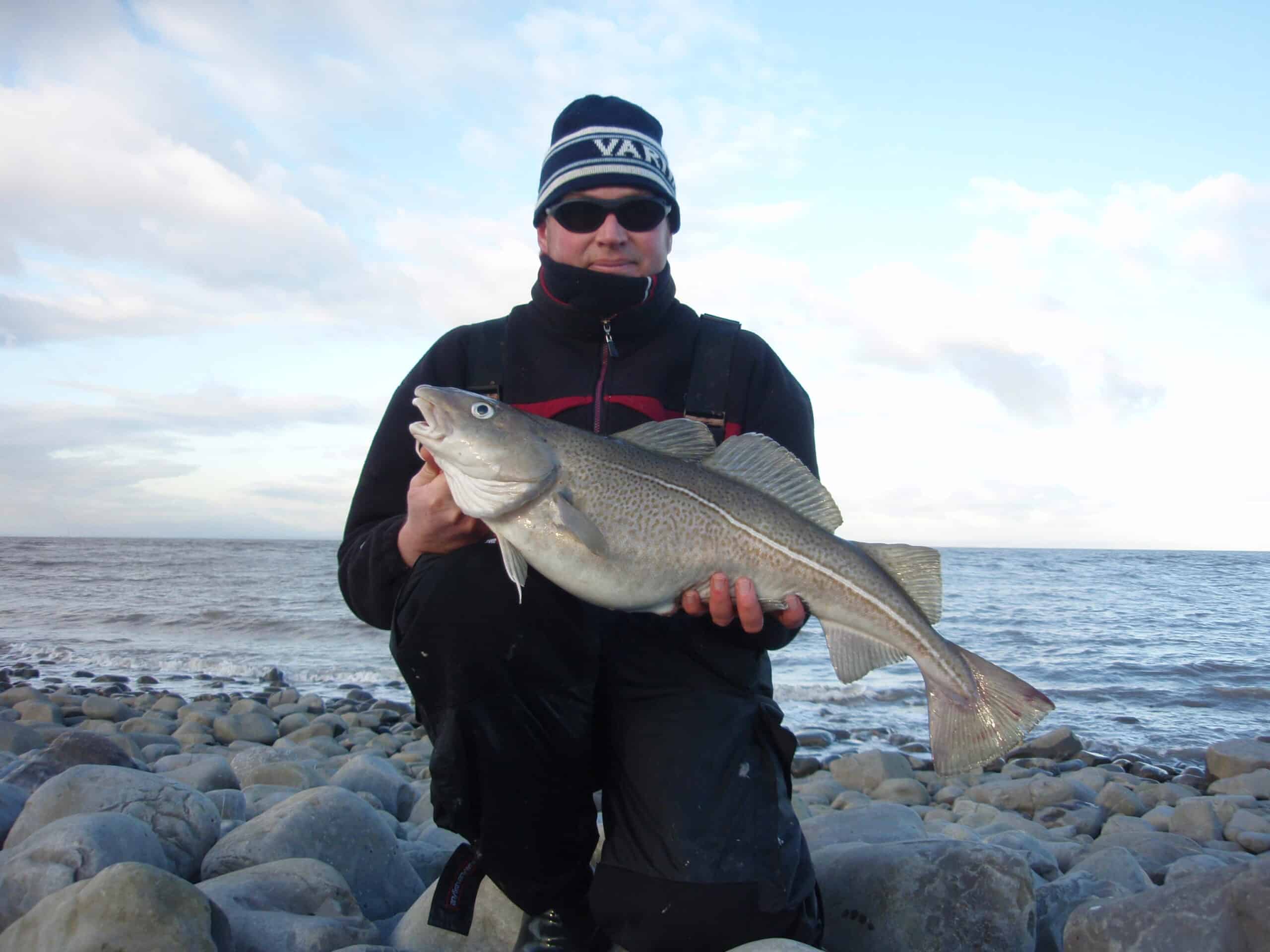
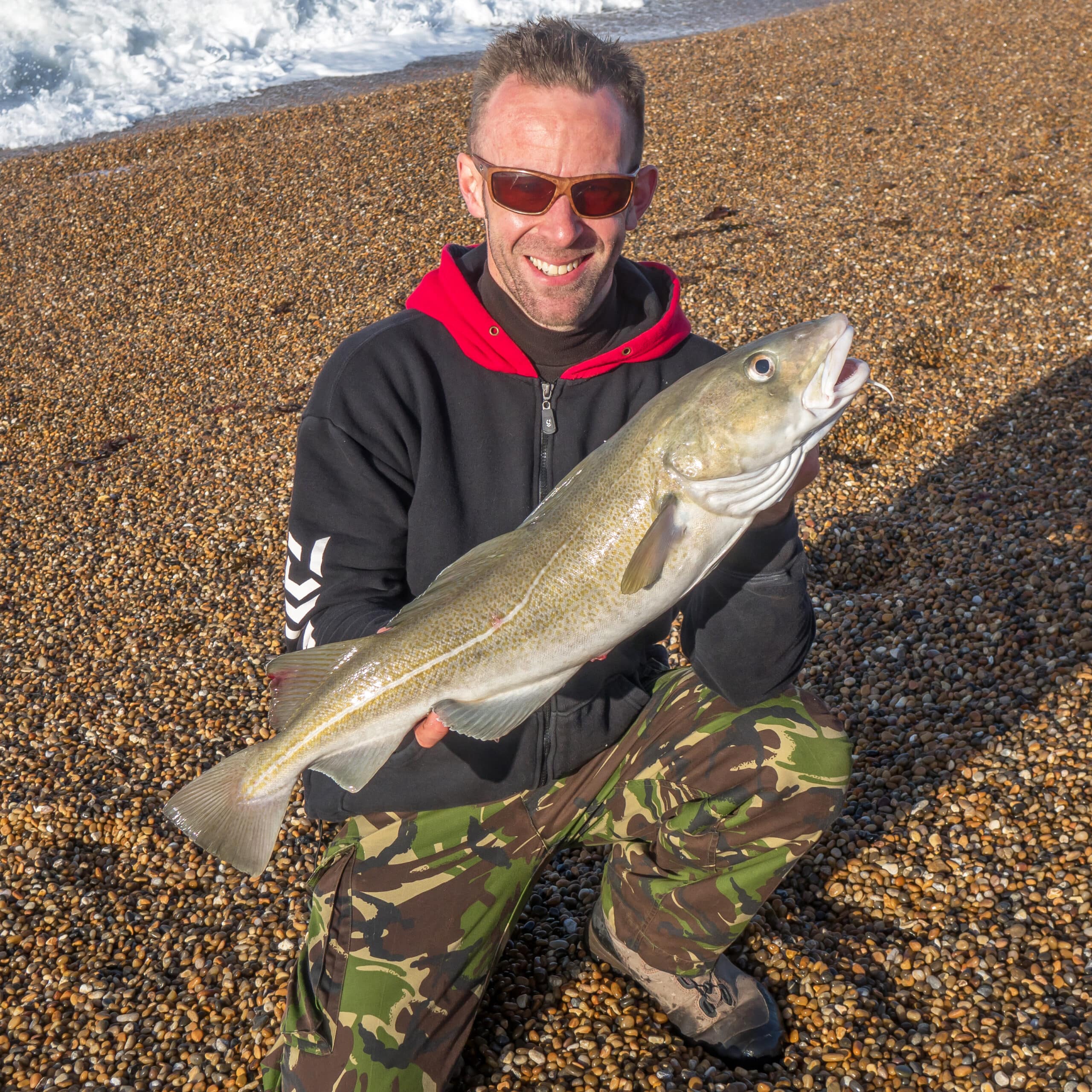
Cod on the other hand are often considered a species associated with deep winter and cold water, but it’s very possible to catch them from September onwards at some locations. Remember, we may recognise the season as ‘on the change’, but the water temperature will be at its peak at this time. This means that food will be plentiful, in the form of whitebait, shrimps and crabs, all happily feeding and inadvertently drawing attention to themselves. They are certainly an attraction for the fish we’d like to catch.
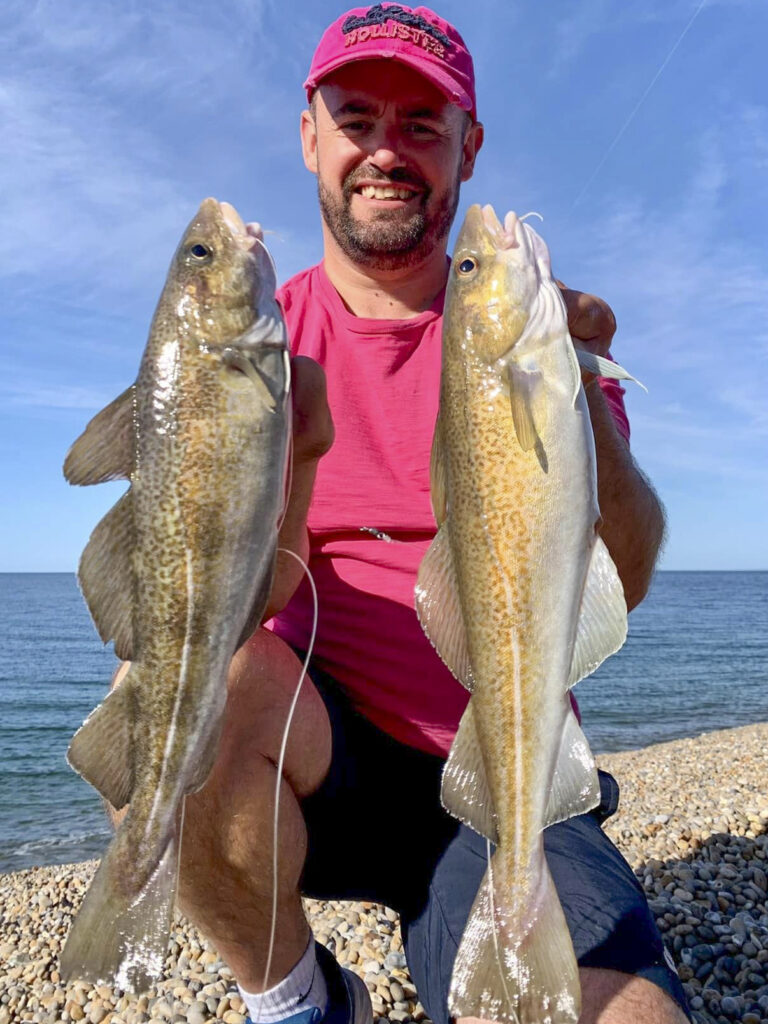
Whiting is another species that begin to show during the autumn and when shoals are thick, provide another easily attainable and worthwhile target for the new angler. Both cod (and codling- a fish considered immature, perhaps below five pound in weight) and whiting arrive inshore earlier than you might expect and will remain resident in many areas for the next few months and well in to the new year.
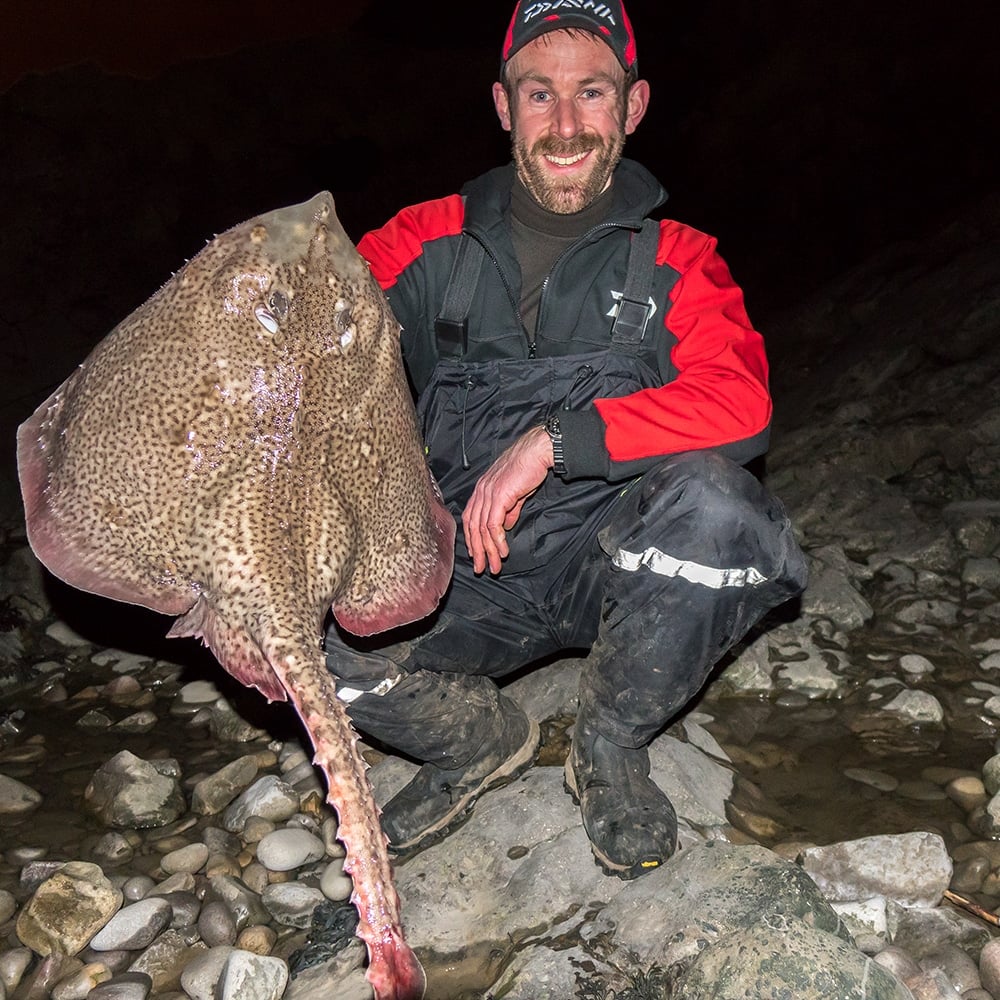
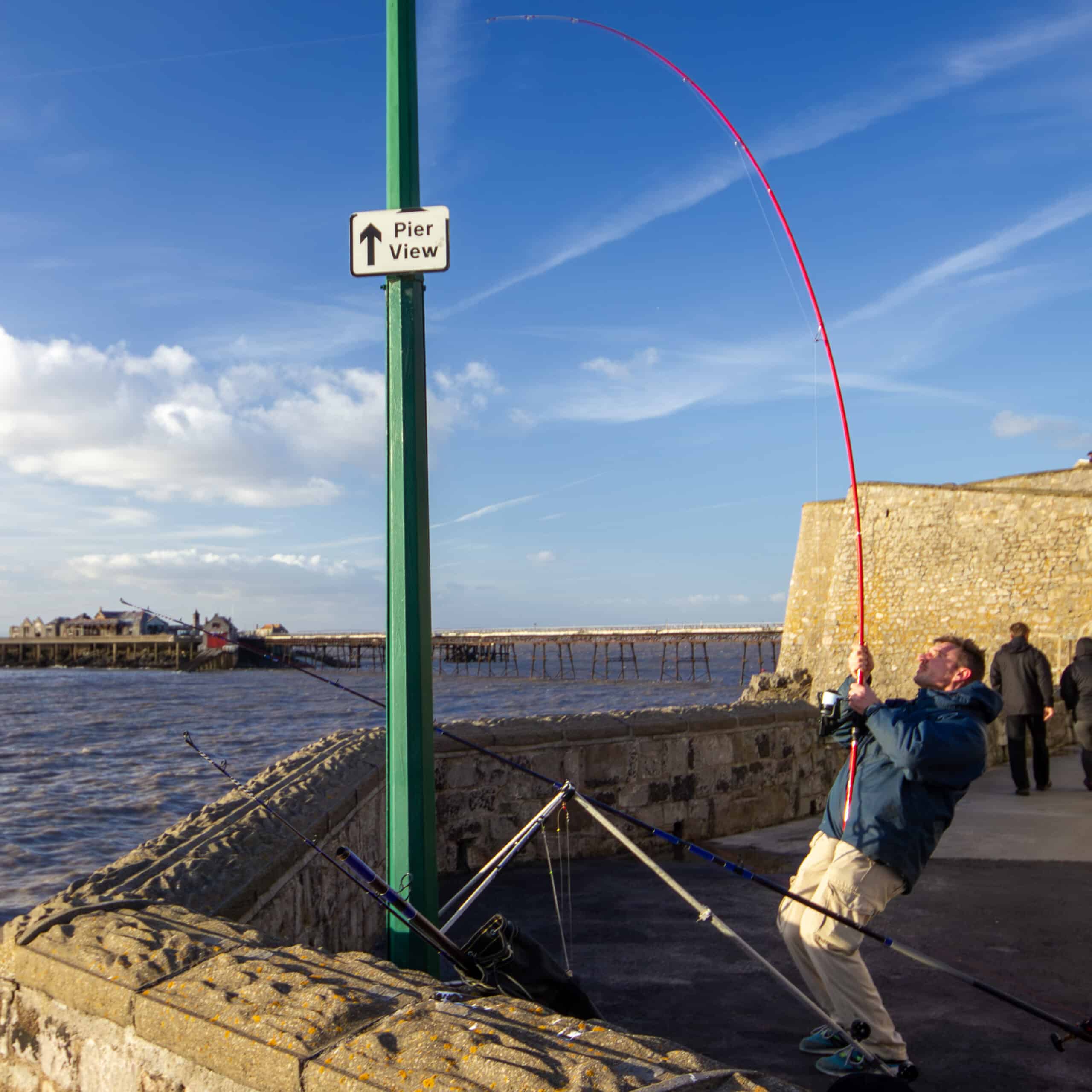
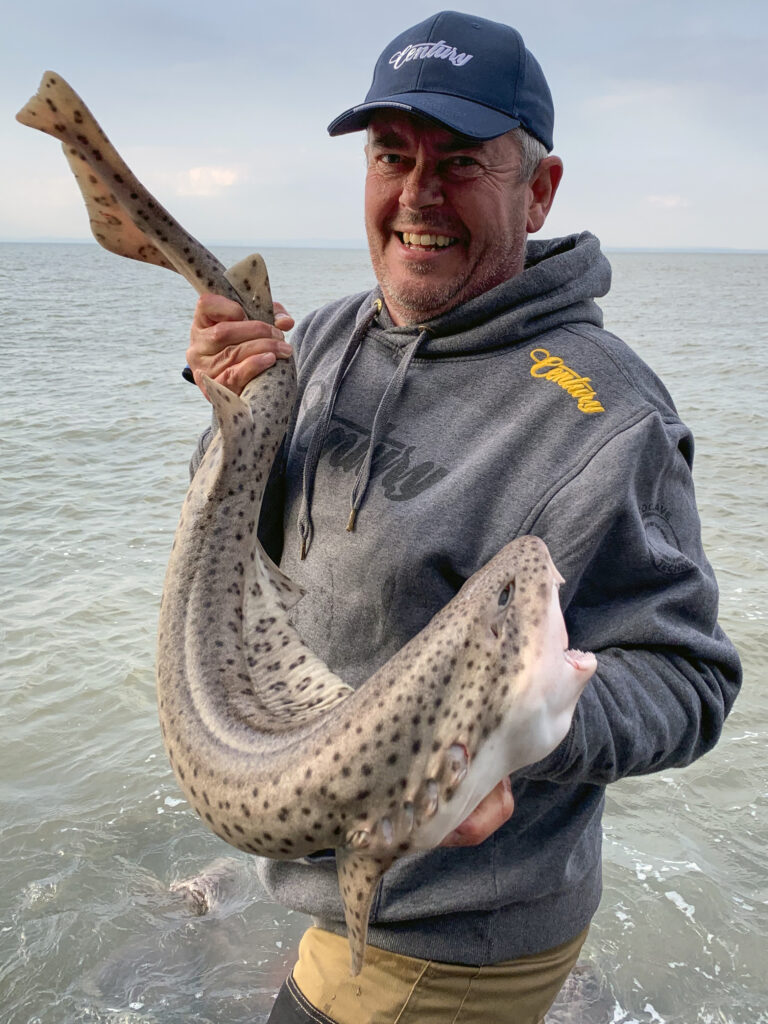
Winter fishing for the larger species is a huge draw in many regions, but especially across the southwest. North and south Devon, Cornwall and the Somerset coast of the Bristol Channel are just a few regions that really can fish extremely well during the winter. Species such as bull huss, conger, spur dogs and tope are all considered a real sporting opportunity. Large bass are also on the cards around this time and will be caught at all the above locations.
Approaching winter fishing- advise for the new angler.
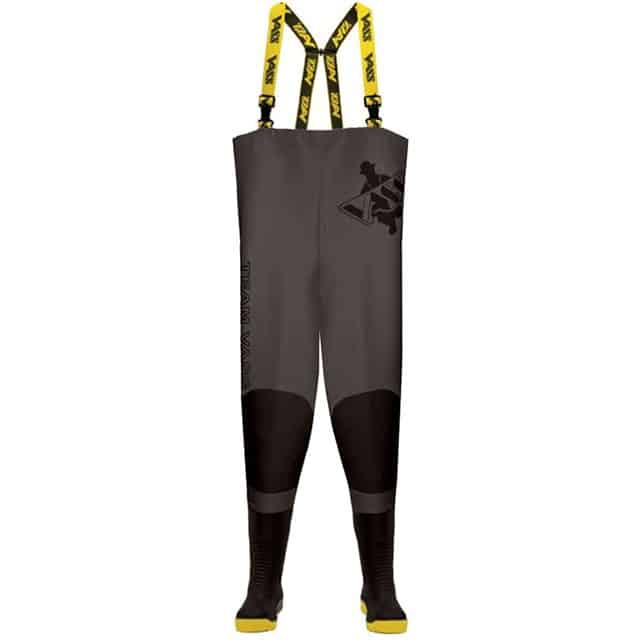
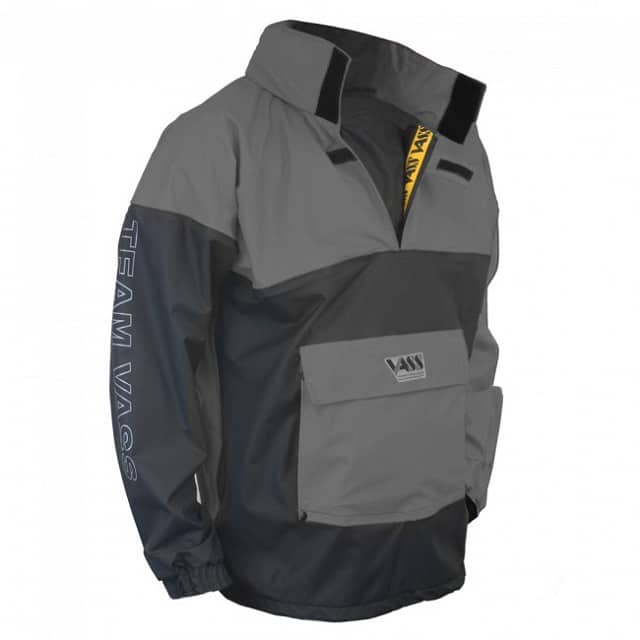
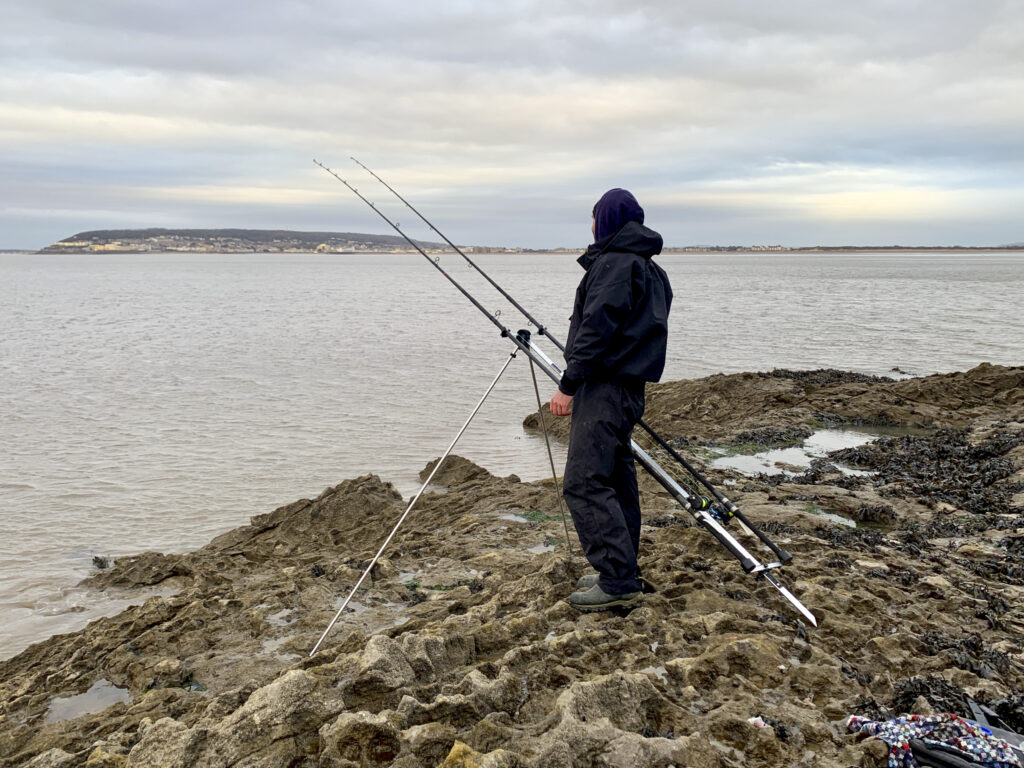
The obvious starting point will be combatting what might be some atrocious weather. Dressing correctly for a prolonged period spent outdoors requires some thinking. A beach shelter can make a whole world of difference and offers some refuge from the elements. If you’re fishing from a beach, then that should be your primary concern, but if you’re stationed on a rock ledge, a beach shelter may not be so practical. In this instance, it’s more a case of getting your clothing right. Starting with a base layer, keeping your core warm is paramount and is often overlooked. Think multiple thin layers, rather than one thick and bulky outer layer. A base layer, a hoodie and a quality fleece topped off with a waterproof outer will keep you warm and dry in all but the harshest of conditions. More and more anglers are now realising that a personal buoyancy aid is also an essential addition to your winter armoury. Wet slippery rocks and raging seas should be respected and in a worst-case scenario, a lightweight life vest or a flotation jacket really could save your life.
Above all else, keeping warm and comfortable will enable you to focus on the job in hand. A cold, wet angler will lose enthusiasm very quickly and not fish effectively. Of course, a flask of tea (or a stove to make a fresh brew) will really lift your spirits if the weather isn’t playing ball and can make a huge difference to morale.
A lot of winter fishing takes place in the dark, so some form of lighting is another essential piece of kit. Headlamps are the go-to for practically all sea anglers and allow for both hands to be kept free to deal with the job in hand. Some reflective tape on your rod tips will be enhanced when the light is shone in its direction and will ensure you can spot bites with greater ease. Run times on headlamps have got better and better, but with spare batteries now relatively cheap and compact, they can be stowed away in a rig wallet or pocket without issue. If you plan to fish anywhere that could be deemed slightly dangerous, it’s always advisable to arrive in daylight to gauge any potential dangers and plan your route in and out of the mark.
So, if you are new to sea fishing, don’t be deterred by the winter. The fishing really can be excellent and provided you are adequately prepared for what the weather can throw at you, you will soon acclimatise to conditions and settle into it. Above all else, respect for the sea is something we should all have and especially so during the winter months. Always tell someone where you will be fishing and what time you will likely arrive home. Remember that mobile phones seldom have a signal when fishing at a remote location. Location apps such as ‘ what3words ’ are brilliant for sharing your location, as well as pinpointing your exact fishing spot for future reference. Fishing alone is bad practice and fishing with a buddy is the only way to go! Share the experience, share the snacks, the laughs and the fishing, but above all else ensure that the alarm can be raised in an emergency.
If the Bristol Channel appeals as a destination this winter, don’t forget to check out our guide that details no less than 29 different marks.
Stay safe, have fun and tight lines!
Jansen.