

Blog
Fishing In The Dark For The First Time. By Jansen Teakle

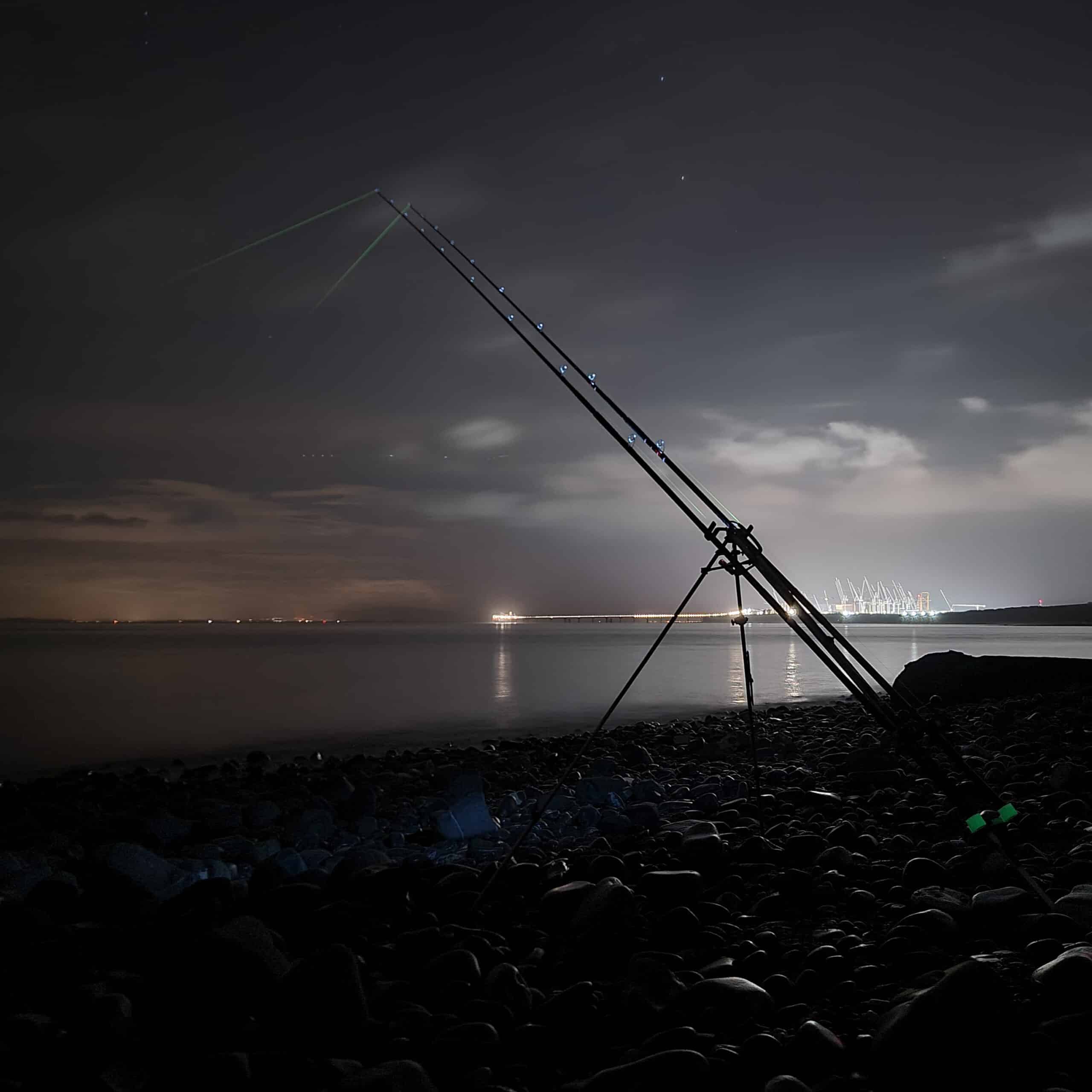
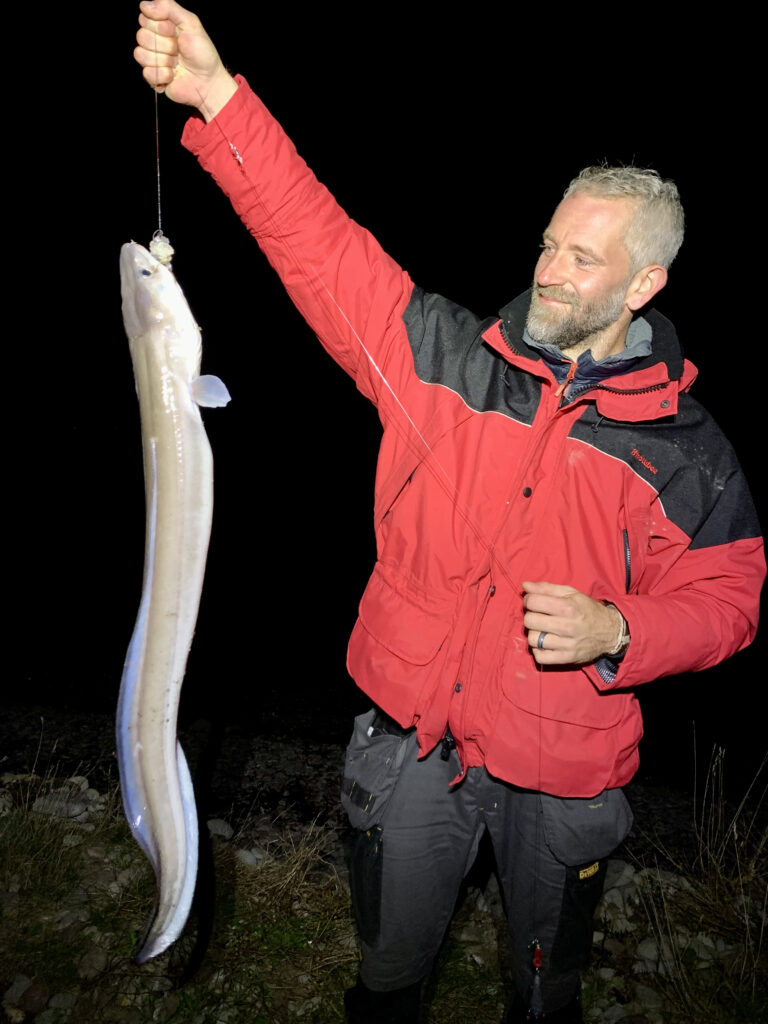
With the overwhelming majority of us limited to fishing at weekends because of work and other commitments during the week, many new anglers might have considered the potential for a trip out after dark following a day’s graft. Admittedly, February is a slow month in the fishing calendar and this coupled with the likelihood of bad weather doesn’t always make for an appealing prospect. That said, this is not always the case and at the time of writing the weather is settled, the skies are clear and the wind has dropped away to practically nothing.
So what if you were considering your first trip out when darkness falls? How would you prepare yourself and what additional tackle might you need?
Lighting
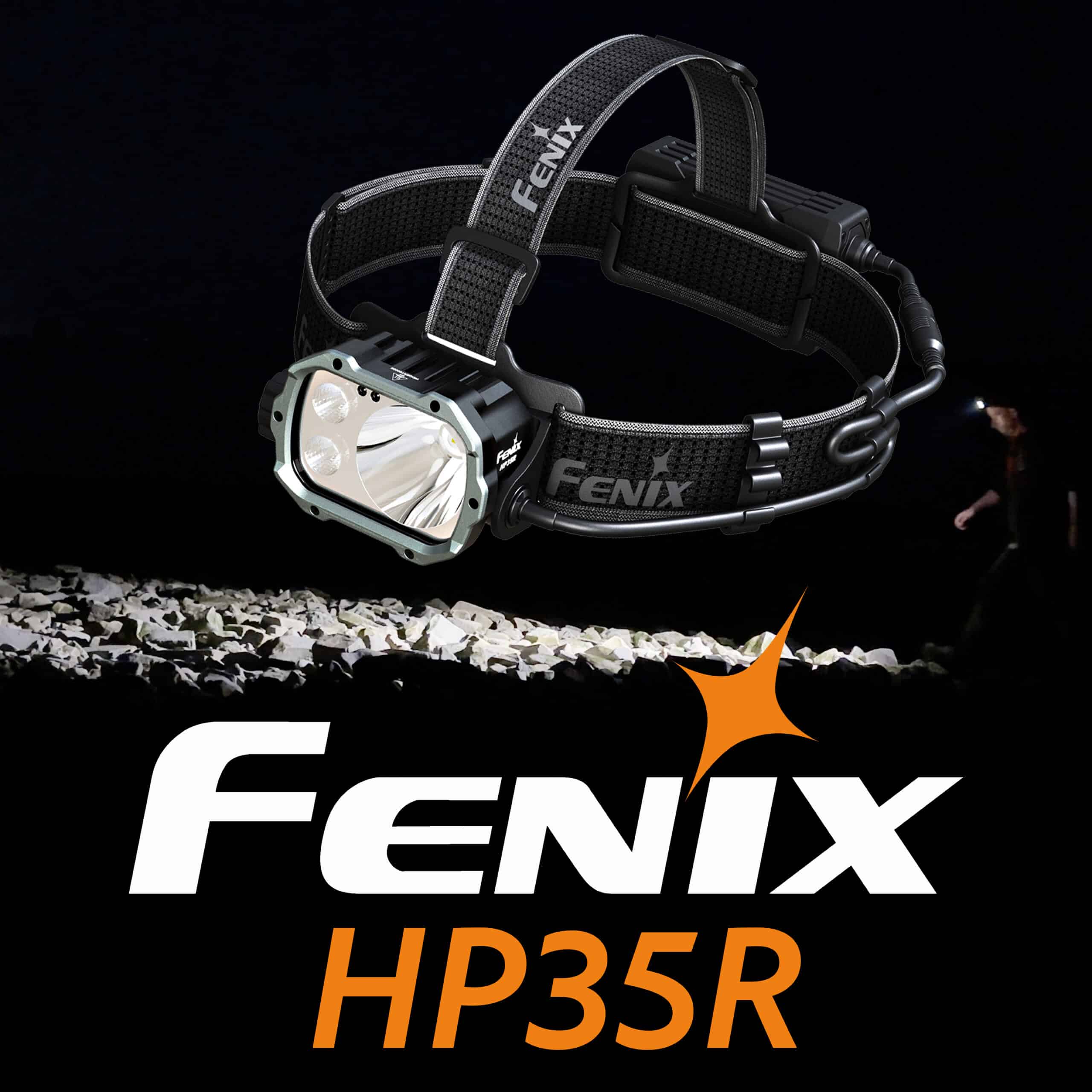
It sounds ridiculously obvious, doesn’t it, but the torch you picked up in the filling station for £5.99 and use to walk the dog probably won’t cut the mustard when it comes to fishing what could be a long session in to the small hours. The advance in LED lights in the last decade has meant that anglers now have access to some fantastic head torches that are not only bright but also kind to batteries and incredibly durable to boot. An investment of around £100 will see you good for many years and enable you to fish effectively and with peace of mind. Being around water is always going to be potentially dangerous, but add darkness in to the mix and that risk increases ten fold. It’s just not worth the risk . An auxiliary unit that might see you with change from a twenty is also advisable in the unlikely event that the main unit fails, but again, spending a little extra will see you with a much better backup option. Spare batteries are also a must have, just in case, and it’s important to keep all batteries fully charged and cycled regularly. Cold weather will reduce battery life so keeping spares in a warm pocket close to your body is good advice.
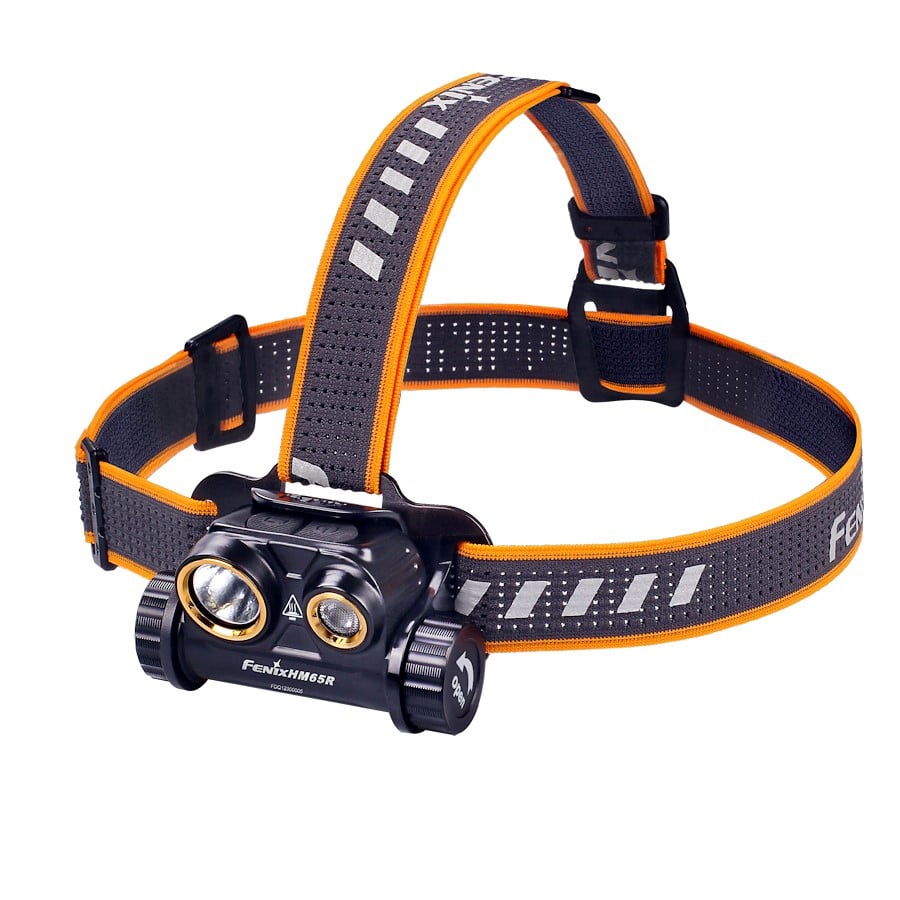
Regardless of how much investment you make in your main sources of lighting, the question you really need to be asking yourself is how much emphasis you put on safety? The answer should always be ‘a lot’.
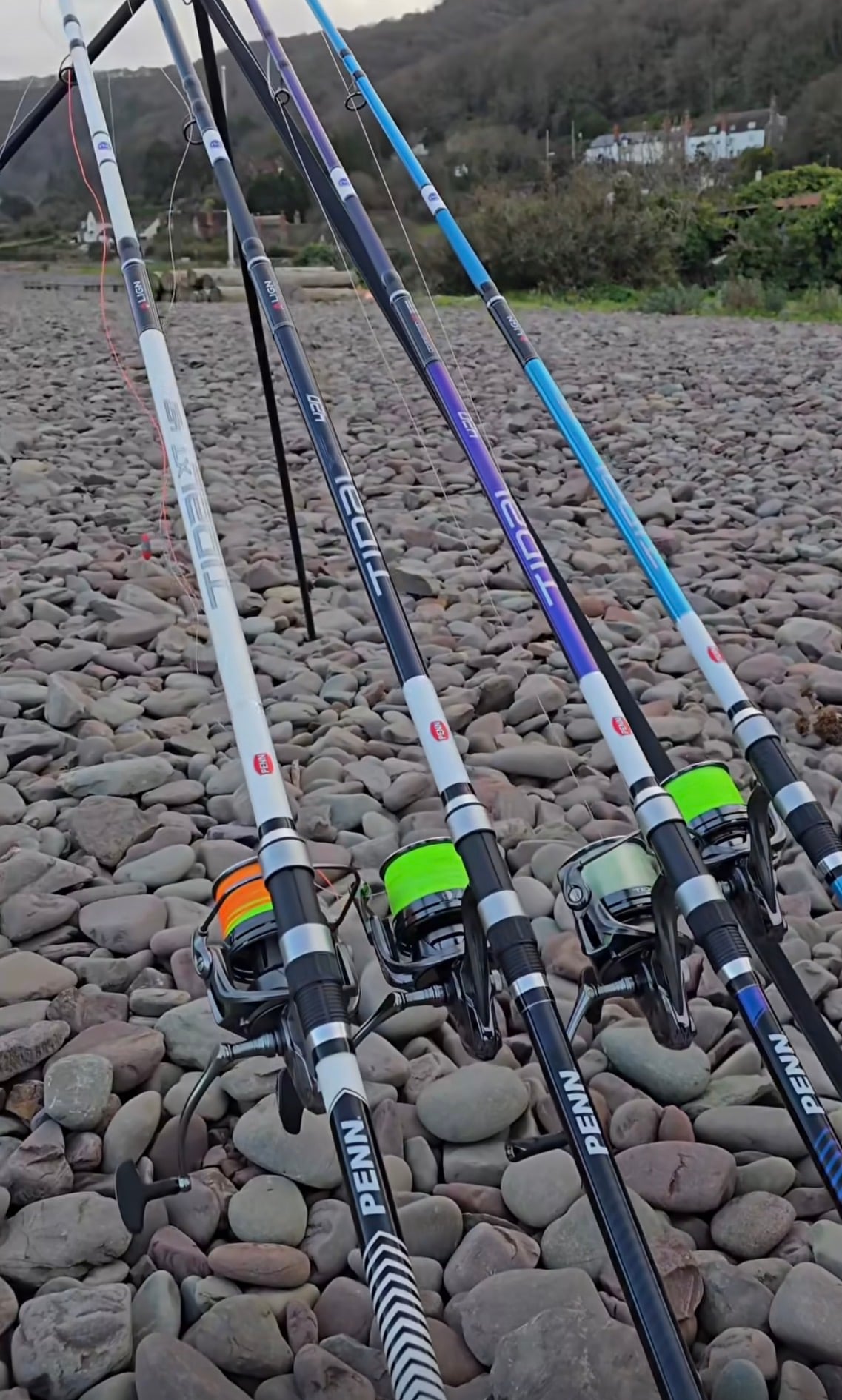
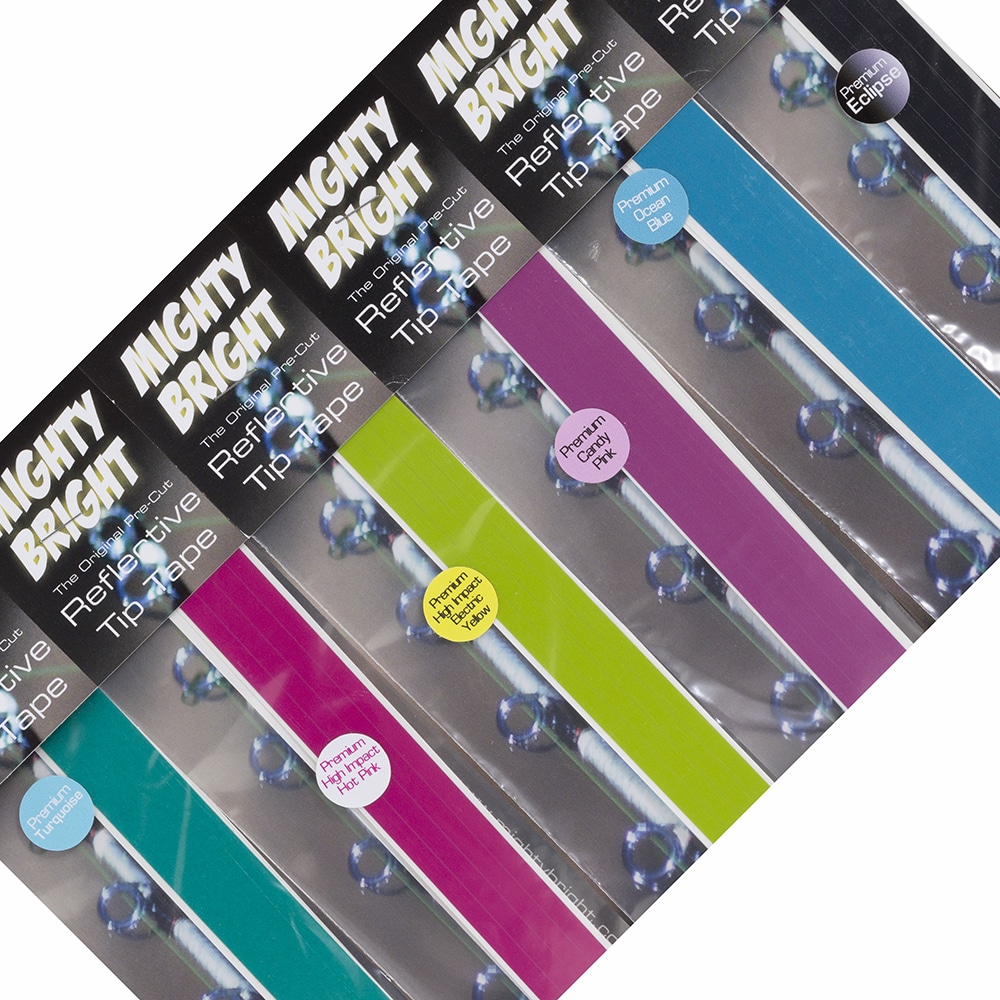
Tip lights now come in many forms and are a lot smaller and more discreet than they used to be. Attached to the tip of your rod(s), they provide a clear indicator and they certainly have their fans. My own personal preference is to wrap the top 300mm or so of the rod tip in reflective tape. Tapes such as the fantastic Mighty Bright really show up in the beam of a head torch and make spotting bites a breeze. It’s also available in a range of colours to match the build of your rod.
Another popular option is a clip on torch that attaches to your tripod and illuminates the rod tips, which will save the battery life of your main unit. In summary, the bare minimum that you take on any session after dark should be a reliable headlamp and a back-up.
Being plunged in to darkness on the coast is a scary experience!
Clothing
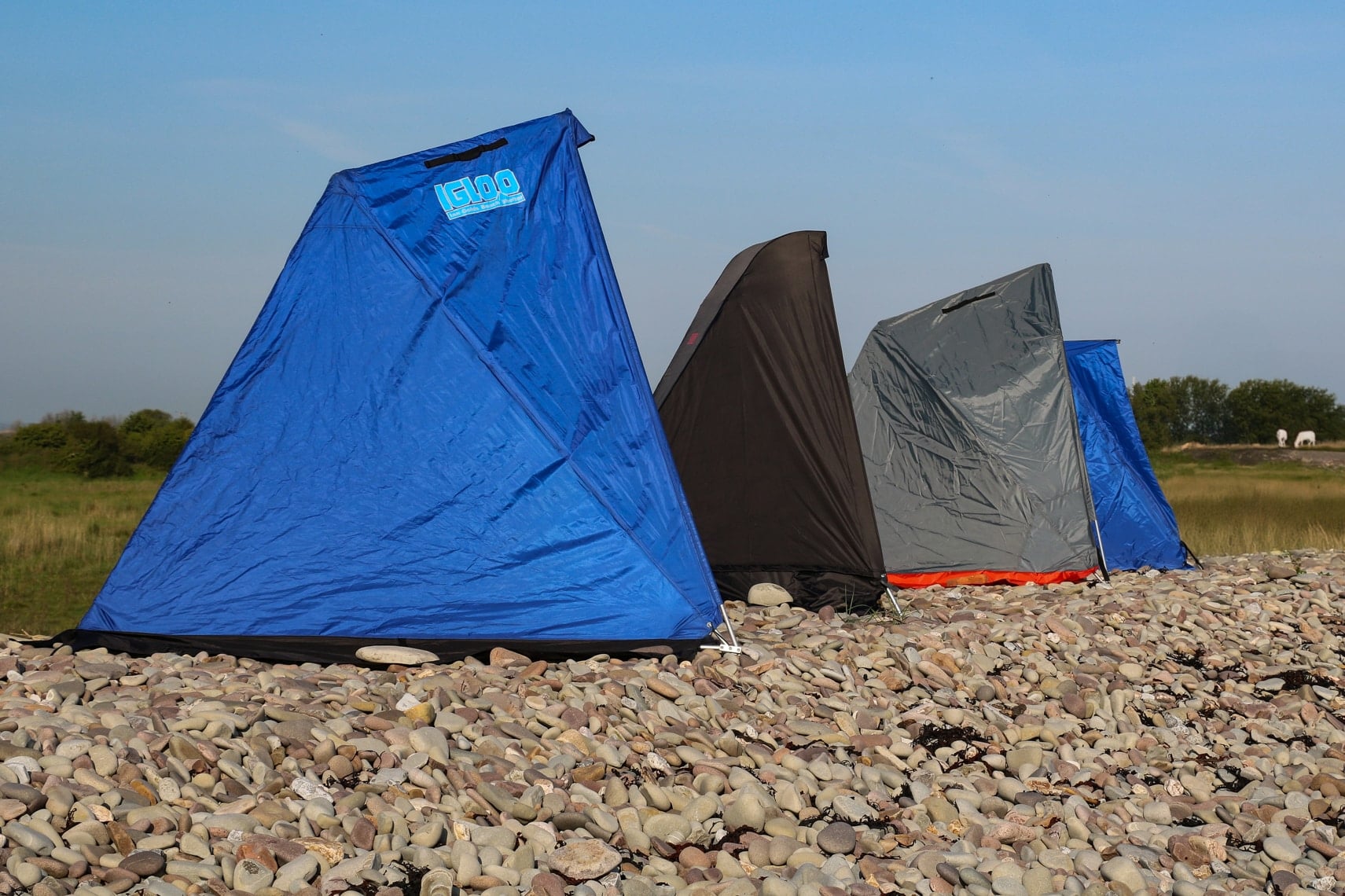
Paying attention to the weather is something that all anglers should be doing, regardless of season, as even in the summer once the sun dips, the temperature can really plummet. A base layer remains my favourite piece of clothing and additional thin layers can be added or removed according to the temperature which irrelevant of the season, is likely drop when that sun sinks below the horizon. If you’re fishing from a venue where it’s feasible to create a base station, a shelter can make the whole session more comfortable, especially if a cold wind is blowing. It’s amazing how just ducking out of that wind can make all the difference in the middle of winter.
Hat’s and balaclavas are perfect for keeping the wind out of your ears. Admittedly, however you dress will depend on the season and won’t be that dissimilar to your regular day time fishing sessions, but a little extra comfort at night can make all the difference to morale when the weather is doing its best to beat you.
General pointers
- It is always best to visit your venue of choice in daylight beforehand or arrive in daylight, to get familiar with it and any potential dangers. This applies to any venue, but in particular anywhere where deep water might be just a slip away. You will also be able to identity any obstructions in the water such as marker buoys, protruding reefs and other obstacles that might hamper your fishing. Safety should always be your first consideration.
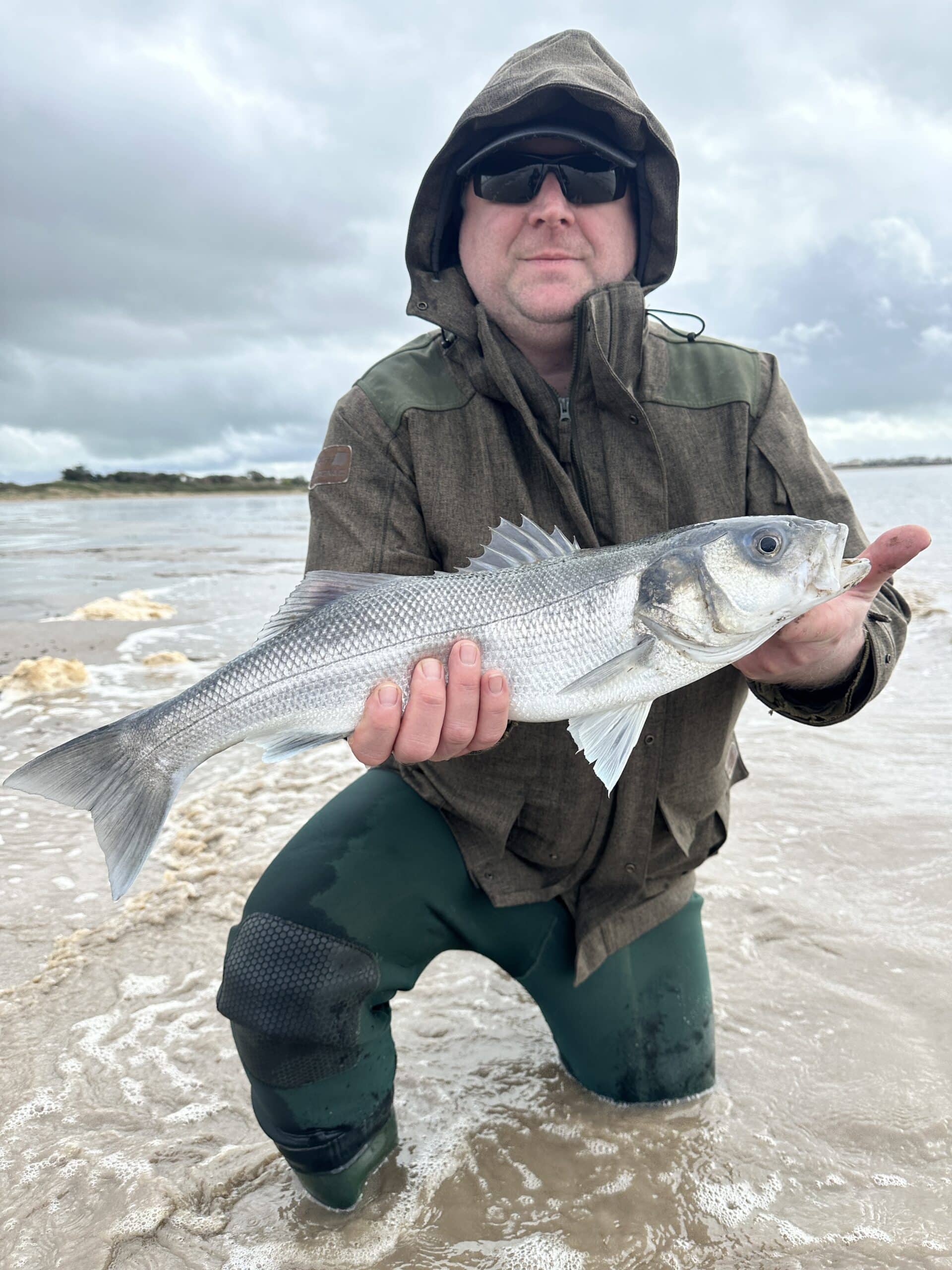
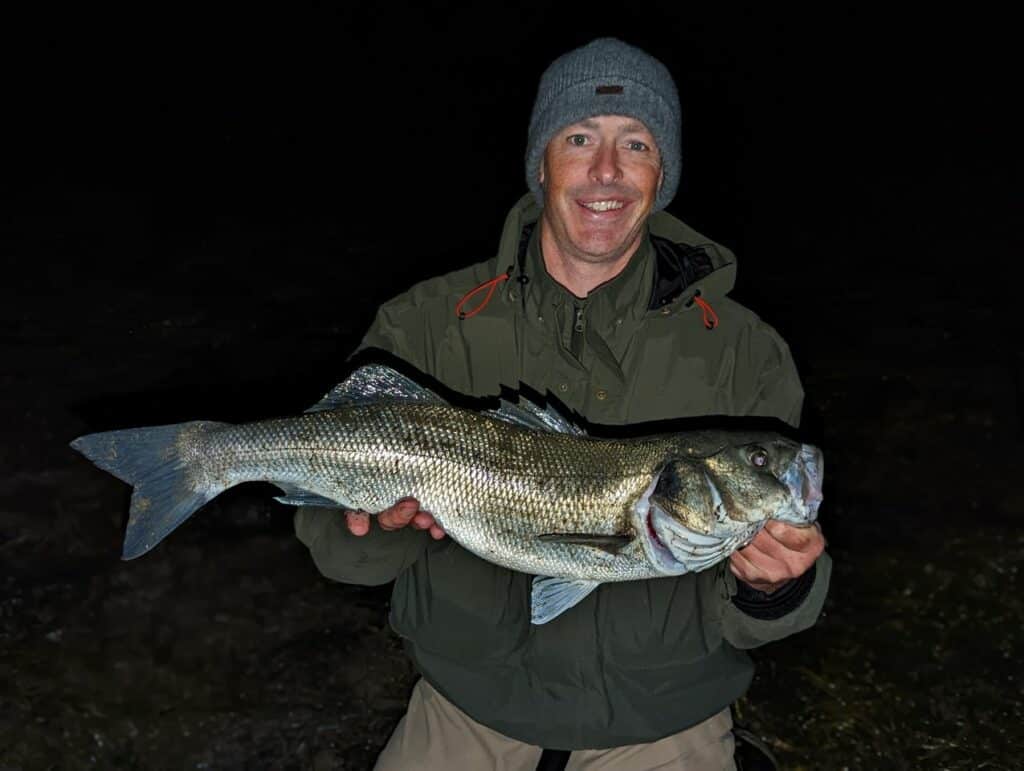
- Predatory species of fish such as bass are known after-dark feeders and will venture especially close to the shore line. Lights should be kept off the water whilst waiting for a bite at short range to avoid spooking a passing fish.
- High visibility lines are perfect for spotting bites after dark and watching the mainline for bites should be just as important as watching the rod tip itself. A coloured shock leader is also easier to pick out in the surf line when you bring a fish in through the shallows.
- Ensure that your tackle is well organised and easy to locate. it’s worth considering adding some reflective tape to items of kit such as a filleting knife, T-bars or rig wallets to avoid leaving them on the beach. Having a good scout around when you pack up will ensure you take everything with you including bait wrappers and other litter.
- A dark beach can be a lonely place and the addition of a small radio can make all the difference. I’m not talking about a blaring sound system that will likely upset others anglers, but something small and discreet that offers a little background noise when placed next to your seat box or inside your shelter.
- Most importantly, if you are fishing alone, always tell someone where you will be fishing and what time you will likely return home.