

Blog
Ray Fishing- All You Need To Know!

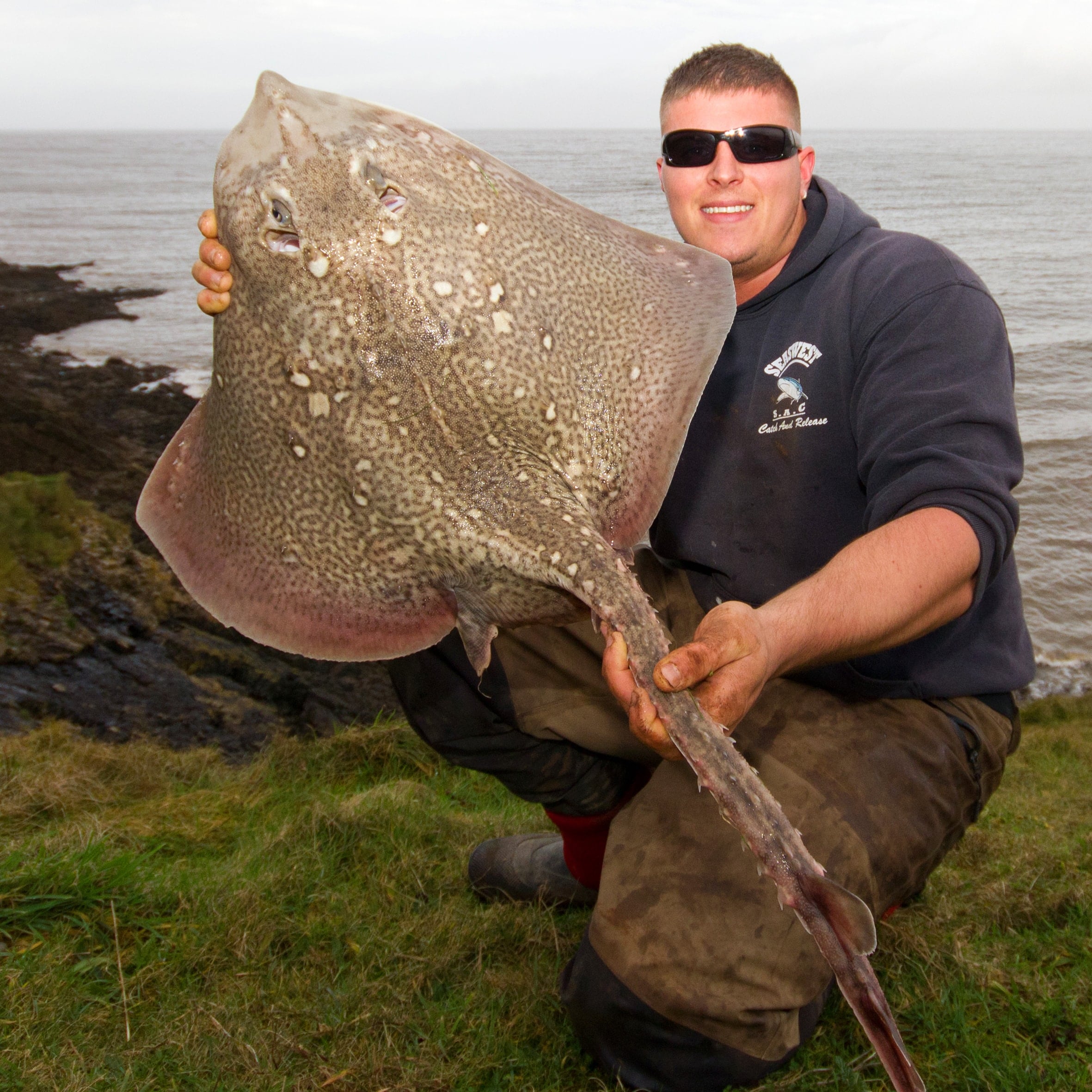
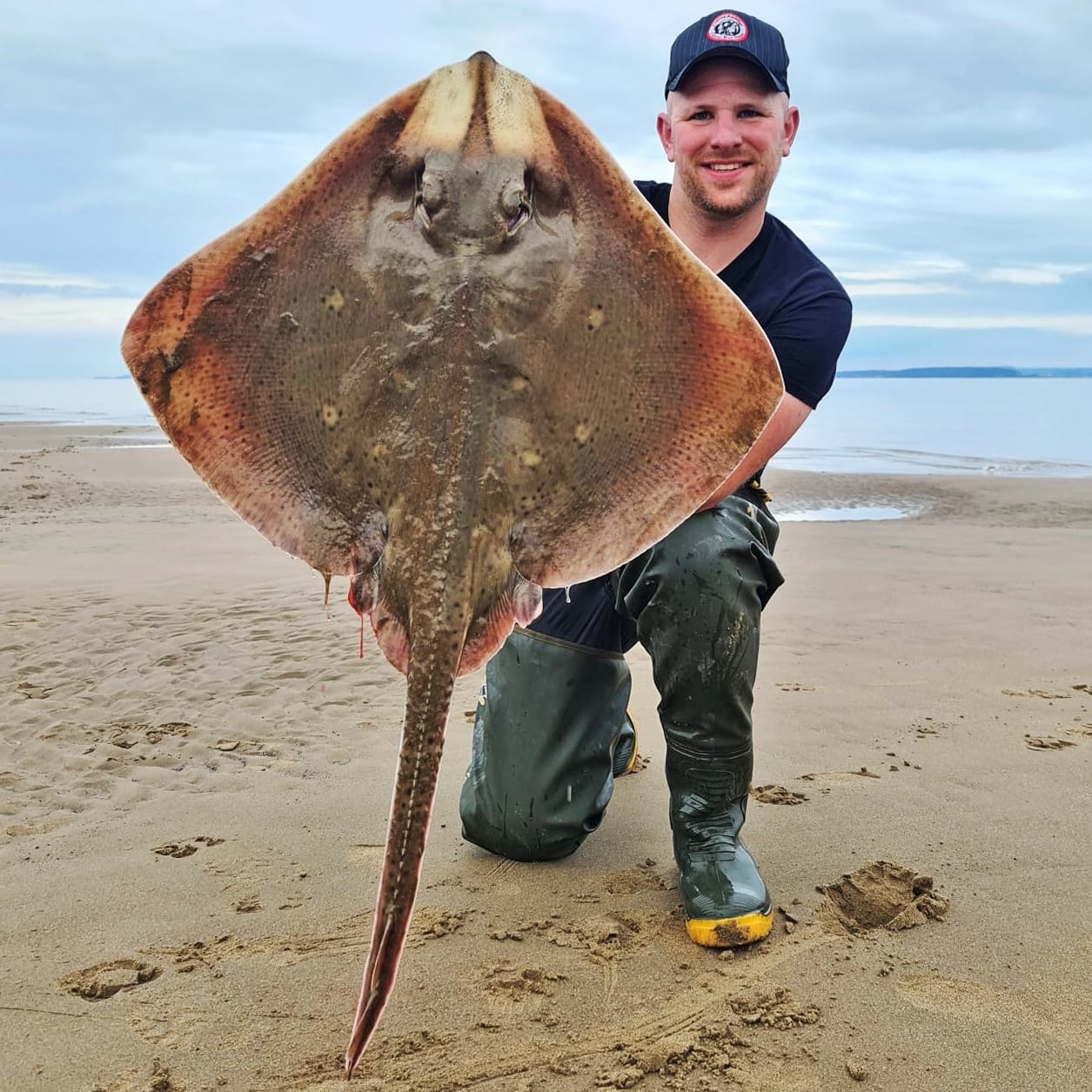
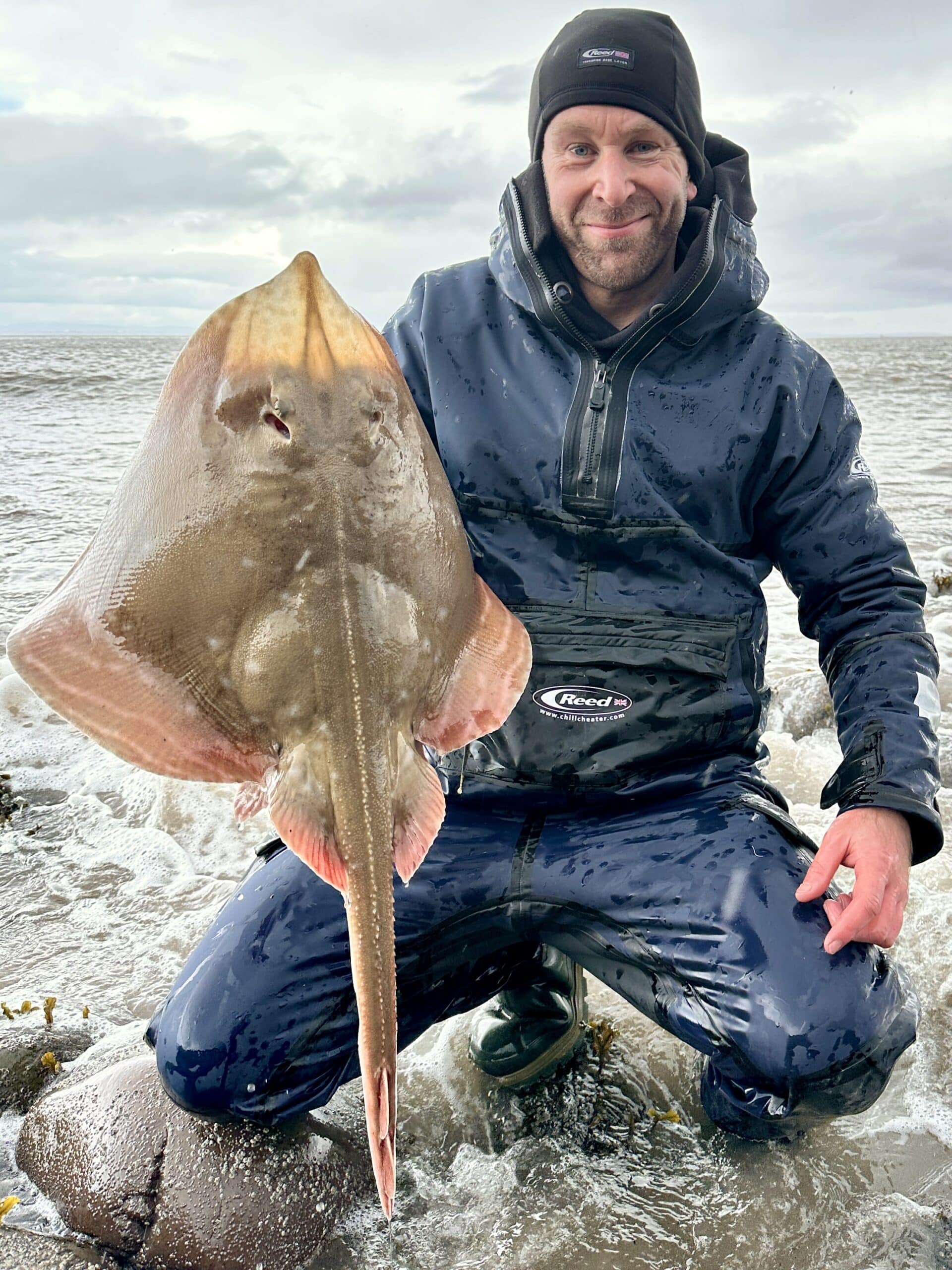
I’ll stick my neck on the line and say that ray fishing is probably easier now than it ever has been, with numbers of fish on the up in most regions across the country. Rays are unique in their appearance and contrary to popular belief are not difficult to catch.
So where do we begin?
Tackle
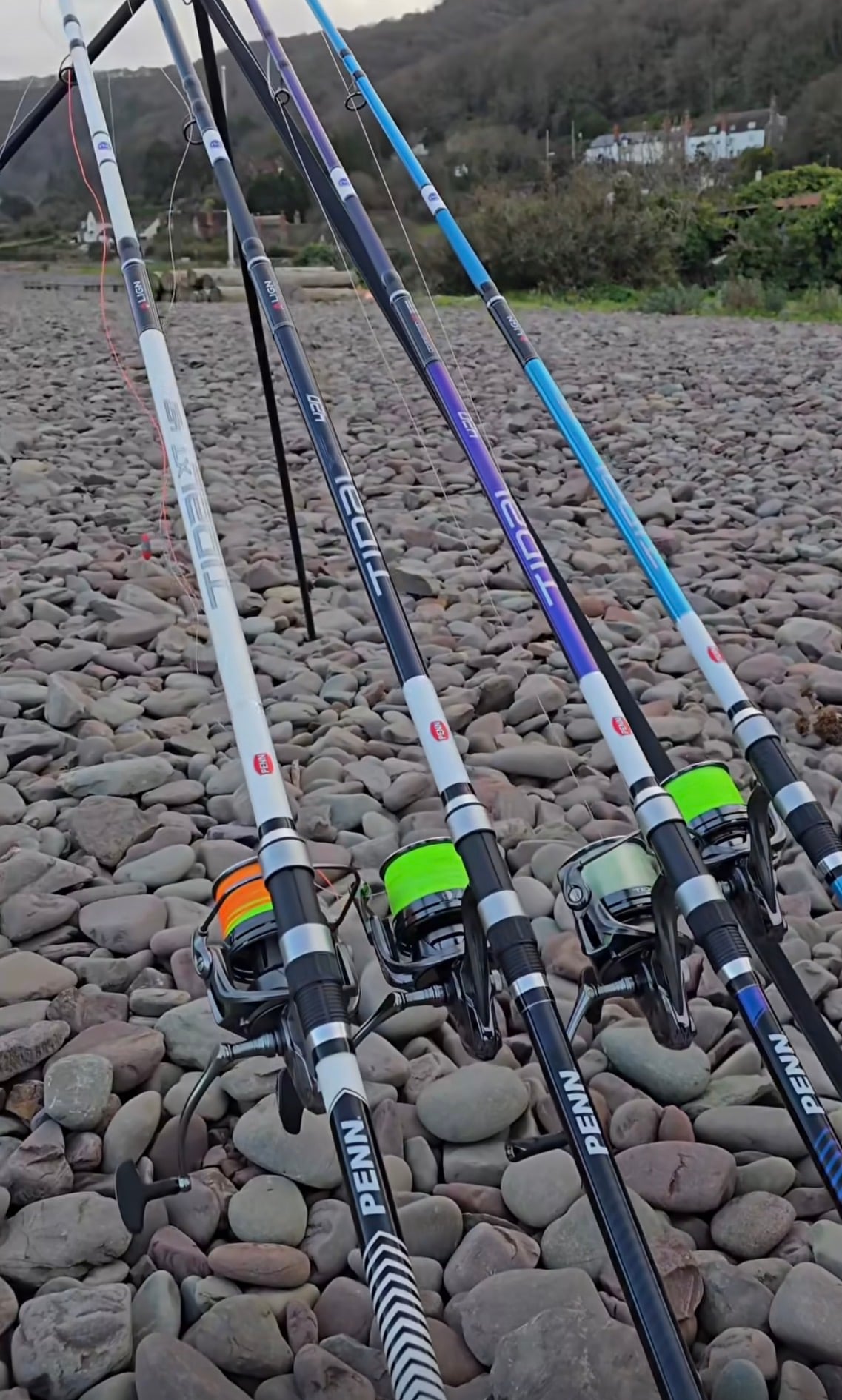
Rods and reels will be dictated by venues. Rays are not a particular hard fighting fish, but pulling them across harsh terrain will certainly put some strain on your tackle. If you’re fishing over clean ground then any kind of beach caster will do the job, but remember that you will need a rod that’s capable of casting a reasonable size bait a good distance. In general, a rod rated to cast between 5 and 7oz should be absolutely fine for any kind of ray fishing over any terrain.
Pick a reel that will hold enough moderately heavy mainline if you’re fishing over rougher ground. Also think about the rate of retrieve of the reel as it will pay to get line back on the reel quickly when you’re pumping your catch to the shore. If you’re fishing a cleaner venue, you will be able to use a smaller reel, lighter line and take your time. Lighter lines will also enable you to cast further if the fish are feeding a long way out. You could use a fixed spool or multiplier reel for your ray fishing- the difference between the two in terms of performance is now tiny.
Terminal Tackle
It pays to keep things simple and personally I would stick with a pulley rig of around four feet in length. If you use a longer rig it becomes less manageable and more prone to tangling in your rig wallet. Up and over rigs, clipped down running ledgers and other popular rig patterns are more complicated to tie and I don’t see any reason to use these rigs. The pulley rig will present your bait on the sea bed in the same way as the other rigs mentioned and all of the most successful anglers I know will exclusively use the pulley rig.
Hooks should be a suitable wide gape pattern to accommodate reasonable size baits. I’ve been using the Seadra SSWG hooks for a little while now and find them to be excellent both in shape and gauge. A 4/0 is more than adequate for both the main hook and the Pennel, but rays are one species that hook up well on a dongle, so if this is your preference a 6/0 Varivas Full circle is an excellent choice. Dongle rigs certainly work for light hooking but remember not to fish too long a bait. Shorter baits will make for a better hook up rate.
Bait
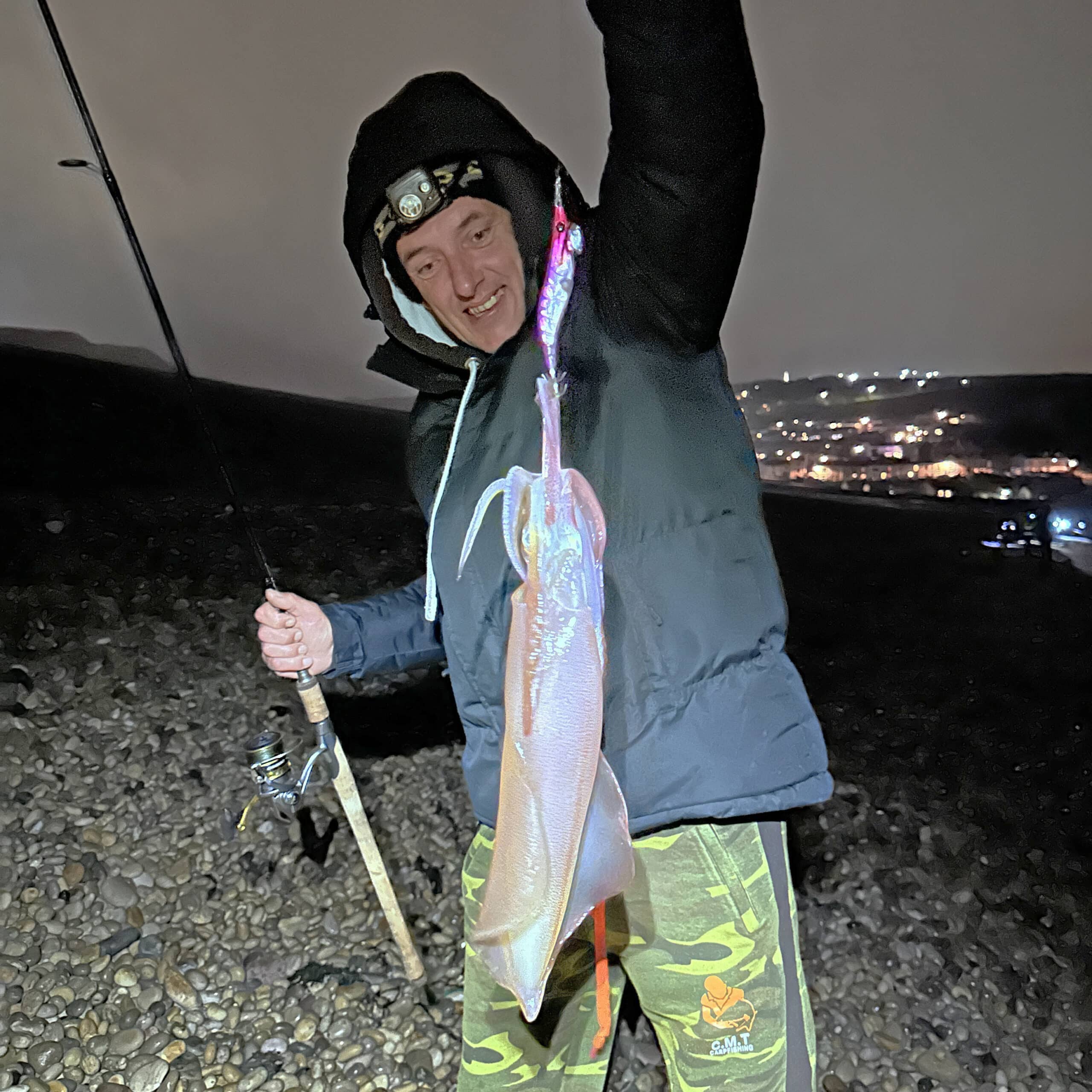
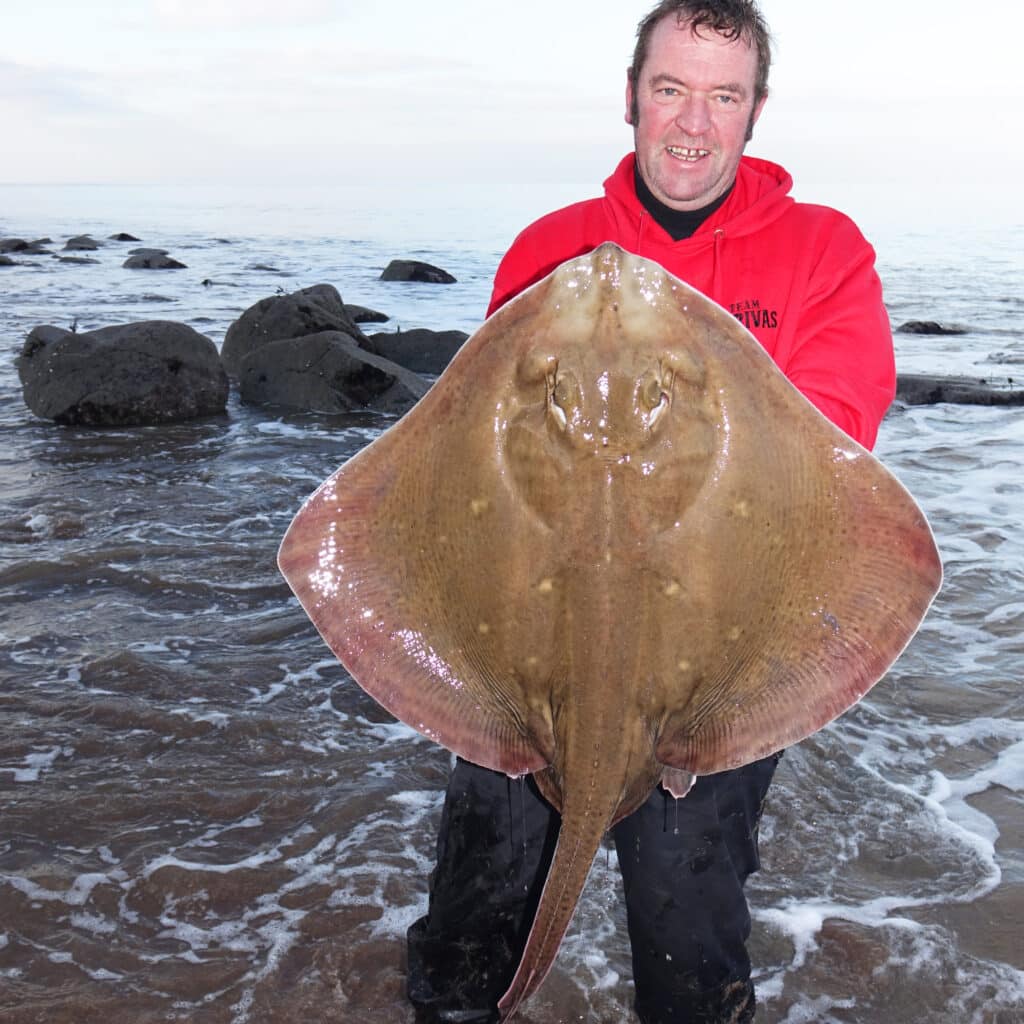
My number one bait for rays is squid, but in recent years I’ve also found bluey to be hugely effective. It’s therefore no surprise that combining the two makes for a massively effective cocktail. Ragworm and peeler crab is another popular bait combination for thornbacks, but if it’s spotted rays and small eyed rays you seek, Sandeel is king. Blast frozen sandeels make a fantastic bait and owing to their shape can be cast a long way on a clipped down rig. Wrapping the Sandeel in squid is another popular bait and works well for small eyed, spotted and blonde rays in most venues. Ray baits don’t need to be huge, if the fish are in the area they are highly sensitive to smell and will home in on even a modest bait. Stingrays are best approached with a big ragworm bait.
Regions
The Bristol Channel is probably the most productive thornback ray fishing in the country. South Devon and Dorset are both great regions for small eyed rays, where as the south coast of Wales produces an incredible number of blonde rays every year. Marks around the Solent and the south coast are noted for their stingray fishing, those this can be patchy fishing.
Caring For Your Catch
The vast majority of anglers return the rays they catch, though this is of course entirely at the captors discretion. A T-Bar is an essential piece kit to remove hooks, as is a pair of long noses pliers and an unhooking mat. Be aware of the thorns of a thornback ray which ca be present on the underside of the fish too. If you land a stingray, keep away from the back of the fish in general and if you have a friend fishing with you, dealing with the fish together is a lot safer. A thick towel wrapped around the stinger and held in place by one angler as the second removes the hook is the way to go.