

Blog
Your First Shore Fishing Rod. Getting It Right!

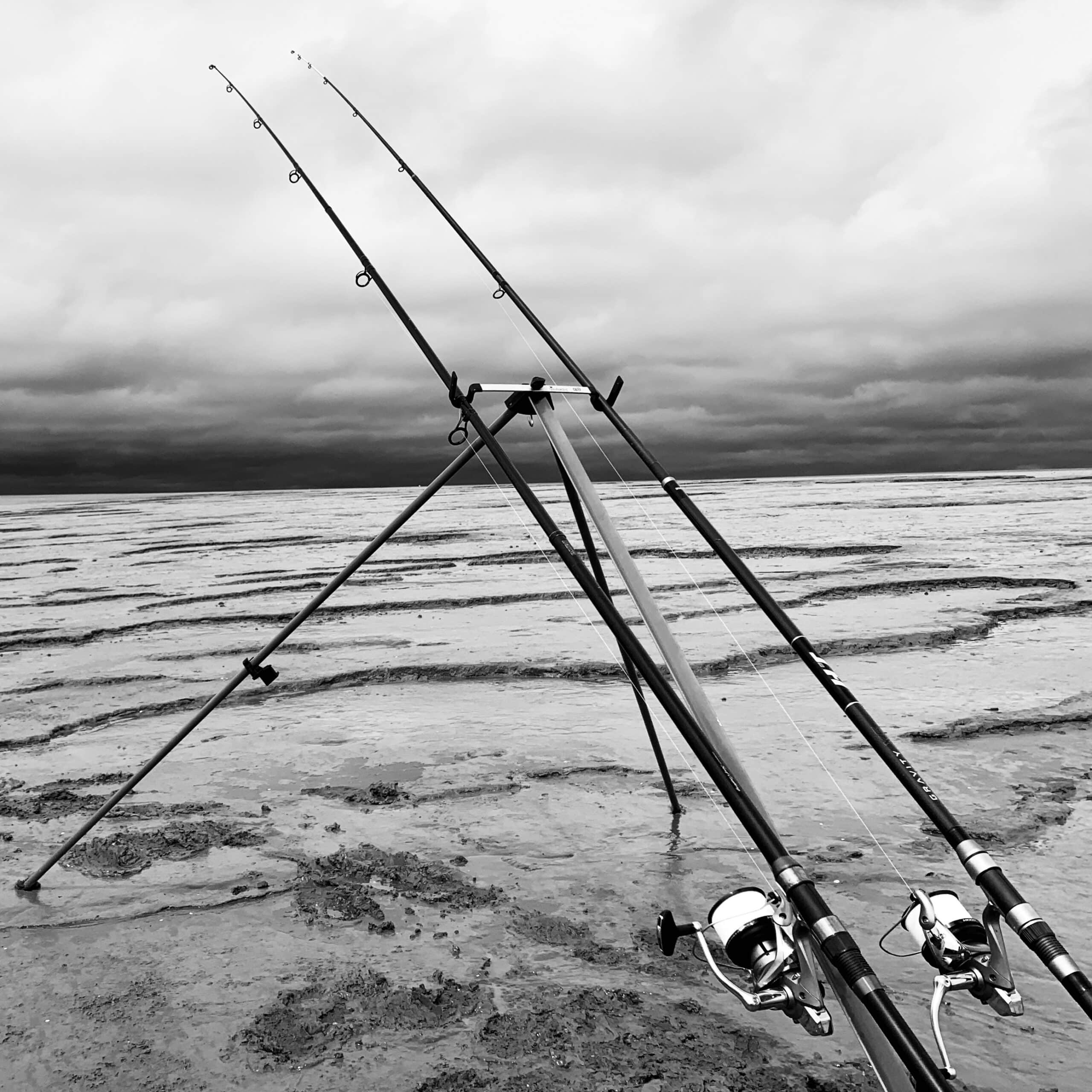
Selecting your first shore fishing rod could be a real conundrum for the would-be sea angler. There are literally thousands of different models to choose from and it could be an absolute minefield for anyone starting out. So how do you go about selecting your first beach caster? Jansen Teakle is on hand to point you in the right direction….
Shore fishing rods are available in numerous lengths, a variety of actions, colours and designs, so just how should you go about selecting the one that is right for you and your fishing?
But before we get in to technicalities, it’s fair to assume that any would be rod-buyer is going to have a budget. As with anything in life, you do get what you pay for, but that said, we offer a huge range of rods starting at under £30.00 that will get you started and are certainly capable of putting fish on the beach.
So presuming you have a budget in mind, let’s get in to this. The first thing I would suggest is that you establish where you will be fishing and what you will be fishing for. With this in mind, together with the kind of fishing reel you are likely to be using, let’s start exploring some options.
Continental Style Shore Fishing Rods
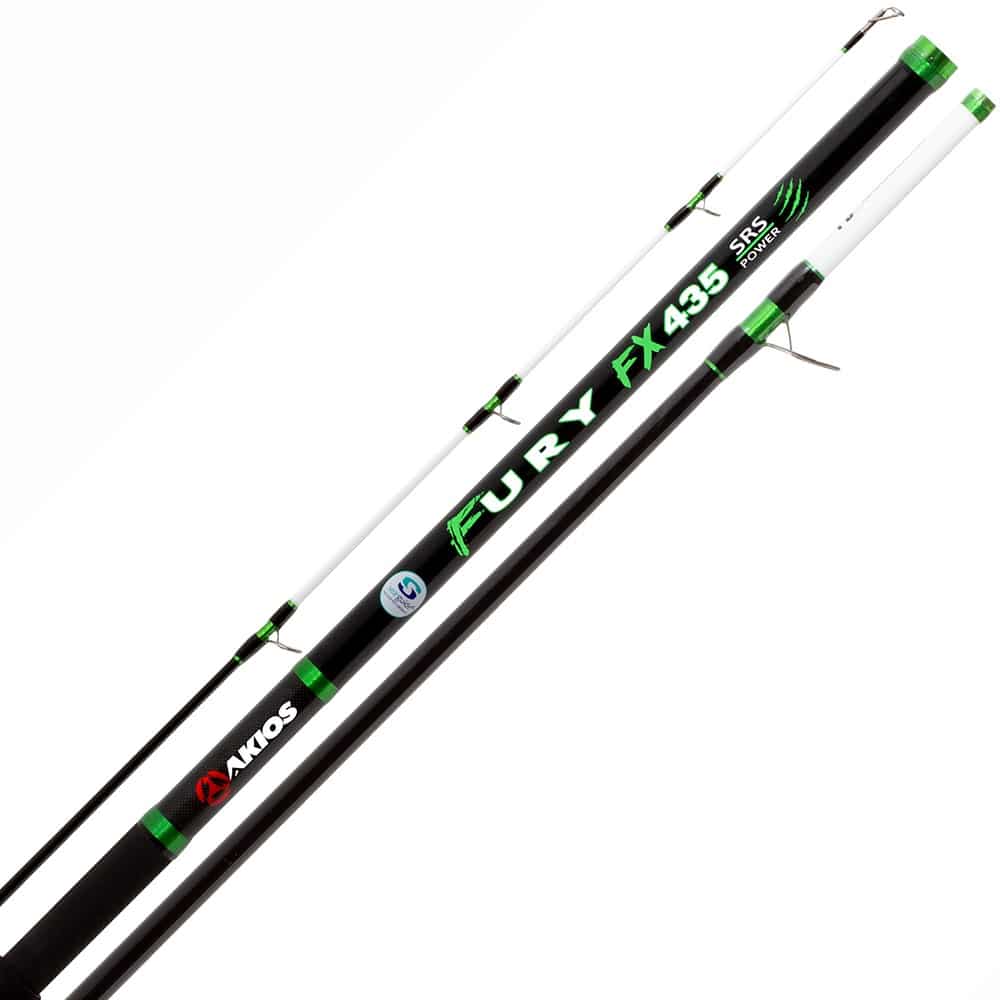
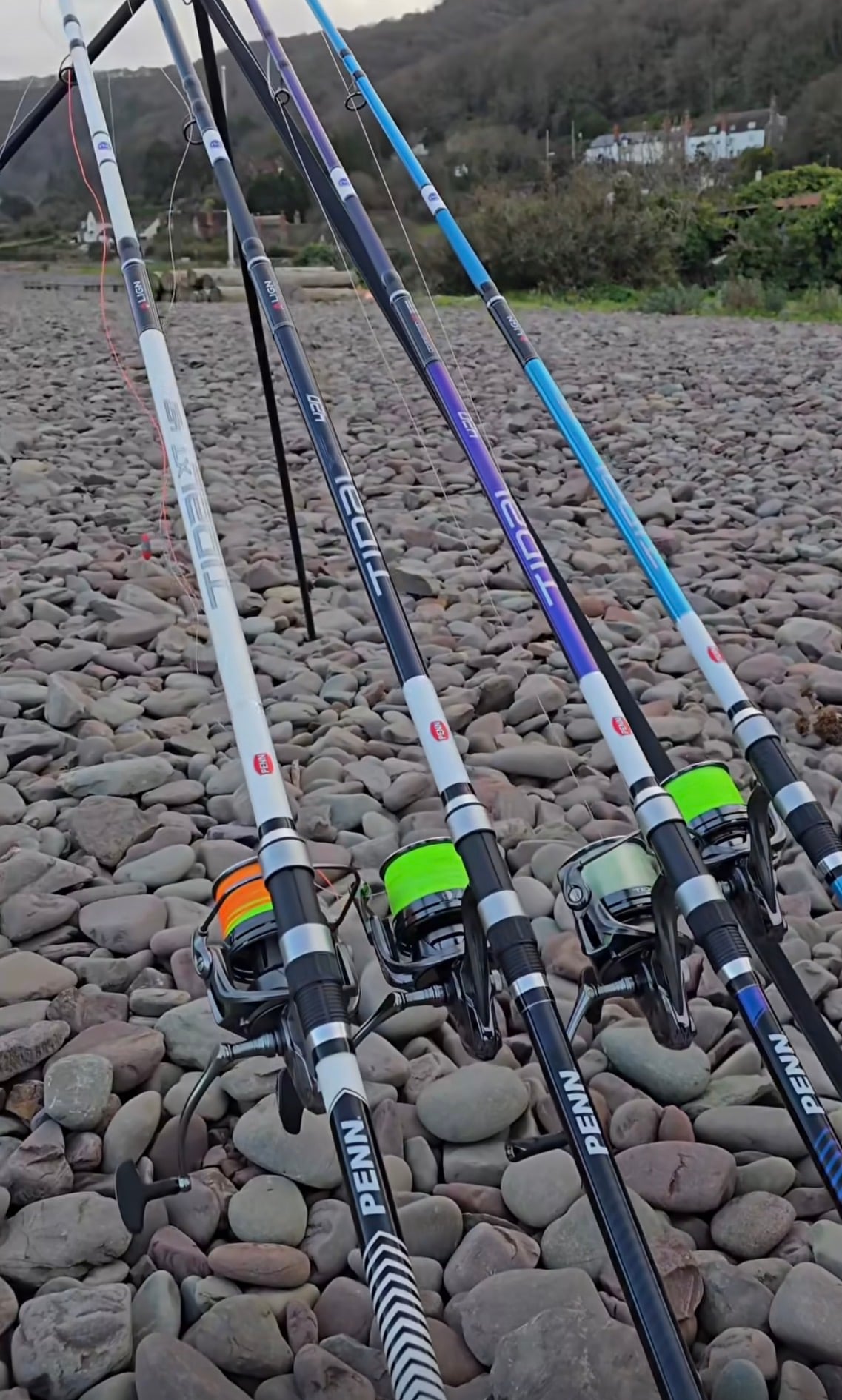
Hugely popular for more than a decade now, continental rods, as the name might suggest, are widely used across Europe and have found favour with many UK shore anglers.
These rods are usually 14-15’ in length, built on a 3 piece blank and are moderately powerful. They are predominately designed for fishing over clean to mixed ground for small to medium fish and in little tide. Tips are often fairly flexible and offer excellent bite detection. In general, these rods have through-actions and are designed to be cast with a simple over head style, though there are exceptions.
Tips fall roughly in to three categories-
• Carbon tips- The firmest
• Glass tips- More flexible
• Hybrid tips- Solid glass tip, usually spigotted and over-whipped to finish
Continental rods usually feature a fixed reel seat, though some are fitted with a sliding seat, enabling you to position the reel as you wish.
Continental rods perform best with a fixed spool reel, making them perfect for anyone starting out, though some models are rung for both fixed spool and multiplier reels meaning that should you decide to upgrade to a multiplier at a later stage, your rod will be compatible.
Continental style rods are usually rated to cast around 120gm (4oz) to 200gm (7oz), but the vast majority of these rods will perform better with the lighter leads in this range.
So to generalise, Continental rods are best suited to-
- Clean to mixed ground venues
- Fixed spool reels with light lines (and shock leader)
- Light leads
- Overhead casting styles
Traditional Two Piece Shore rods
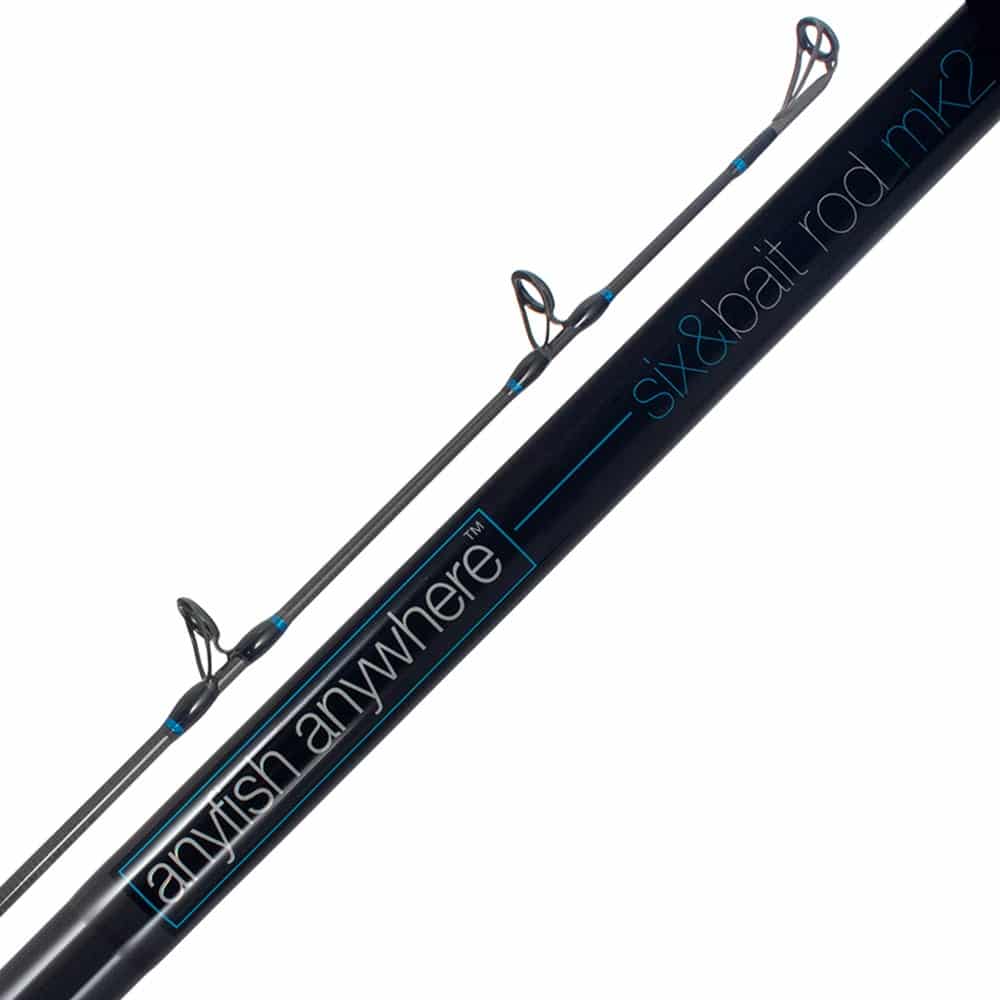
Before Continental rods arrived in the UK, two piece shore rods were the go-to and remain as relevant today as they always have been. Two piece shore rods consist of a butt section and a tip section and are usually between 12′ and 14’ in length. Most carry a broad cast rating of 120gm (4oz) to 225gm (8oz), but there are lighter and heavier options to consider too.
A lot of these rods are rung for multiplier use, but any rod rung for a multiplier can also be used with a fixed spool reel. Two piece shore fishing rods can be used for a wide range of applications, but it is the casting rating that will mostly determine a rod’s suitability for any given task.
Selecting the rod that’s right for the job is important, so let’s look at the what we need to consider when making our choice.
Angler Capability
If you’re new to fishing and this is your first rod, casting to the horizon and catching huge fish is unlikely to happen immediately. We all started somewhere! Super powerful rods with extremely stiff tips that are aimed at the casting fanatics should be avoided, as they will be difficult to learn the basics with. Instead, choose a rod with a moderate degree of power, but with an easy action that will enable you to get used to casting. The idea is to bend the rod on the cast, and as it recovers, it propels your tackle seawards. If you can’t bend a rod, casting any distance will be hard work.
Any rod marketed as a match rod would be a good place to start, as these are often lighter, slimmer and easier to bend when casting. In summary, at this stage of your fishing, you need something that is manageable, easy to compress and cast with.
This is of course all well and good if you plan to be fishing clean venues (those where you will be casting on to sand, shingle or mud where there are few if any underwater obstructions), but if you plan to fish anywhere where you will need to use heavier leads to combat the tide, or bigger baits to target your chosen species, then your rod will require an element of power and this is where you have a decision to make.
A rod specifically for rough ground fishing needs to be capable of two important tasks-
- It needs to be capable of casting heavier leads, perhaps as much as 8oz at times, to enable the end tackle to grip the sea bed in what might be a strong tide. Remember, you may also be using larger baits which will also considerably add to the load.
- The rod will need a firm tip, as if a tip folds over when you’re retrieving your gear and possibly a fish too, you start to lose control, and the risk of getting snagged up becomes greater.
So, how do you choose the rod that suits you, the fish you’re targeting and the venues you are fishing?
If a more powerful rod is chosen to suit fishing over rough ground, remember that you still need to be able to compress it during the cast.
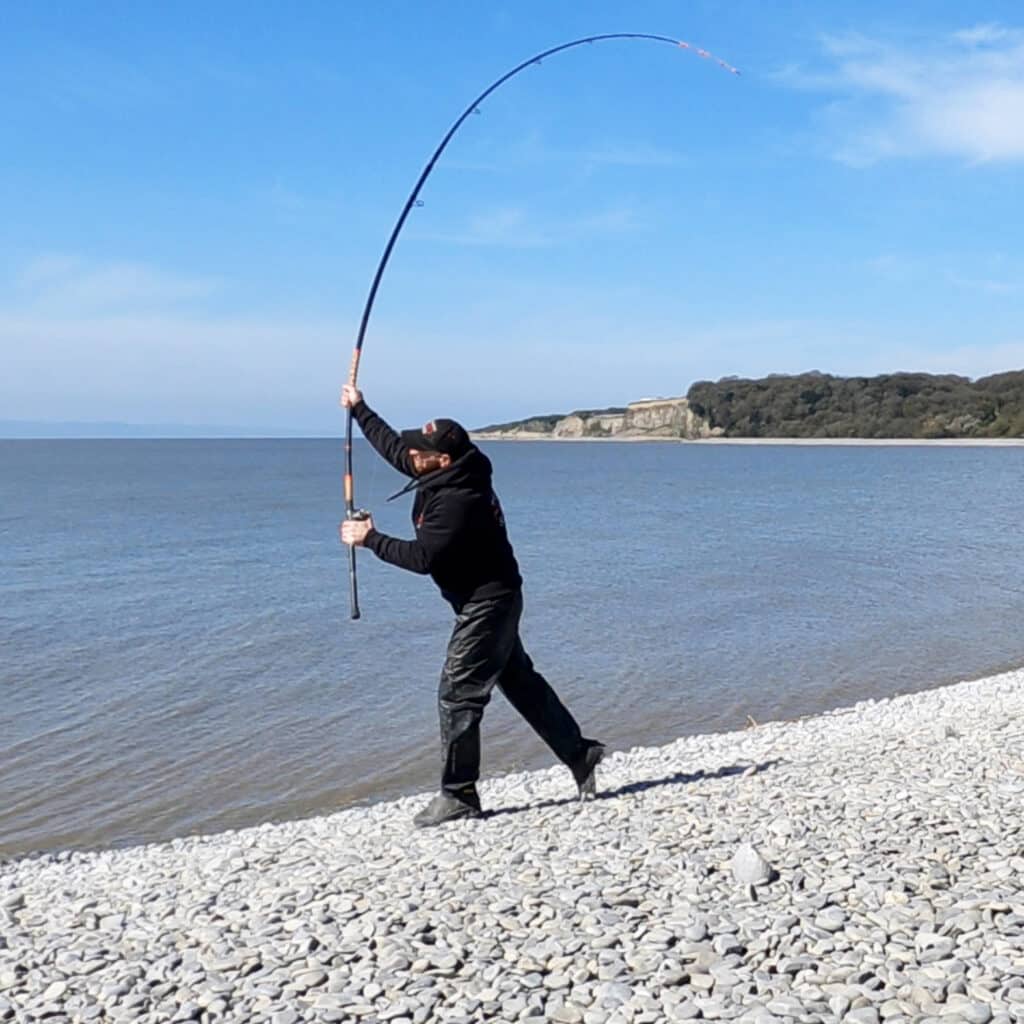
Avoid super powerful models that are designed for tournament casting at this stage and instead, choose a moderately powerful rod that you can compress, yet still retains enough power to fish effectively over rough ground.
If you’re fishing a cleaner venue, a continental style rod would likely fit the bill. Remember, these are generally softer, easier to compress with lighter leads and perfect for learning with.
But a rod of this type with its more forgiving action and limited casting rating is not designed for fishing over rough ground. Obviously if you plan to fish at a variety of different venues, unless you want to buy several different rods (a surprising number do), you may need to compromise.
A more powerful rod that is firmer in the tip can be used anywhere, but a soft rod with a delicate tip will have its limitations.
In an ideal world, it’s always best to try before you buy. Contacting a local club, joining a forum or connecting with other anglers on social media can be a great way of seeing rods in action and having a cast or two before you splash the cash. Above all else, make sure that you are comfortable with your choice. Don’t just use a specific rod because you feel you should be. A fishing rod is a very personal choice and what suits one may not necessarily suit another!