

Blog
Targeting Flounder- A Basic Guide

Where and when
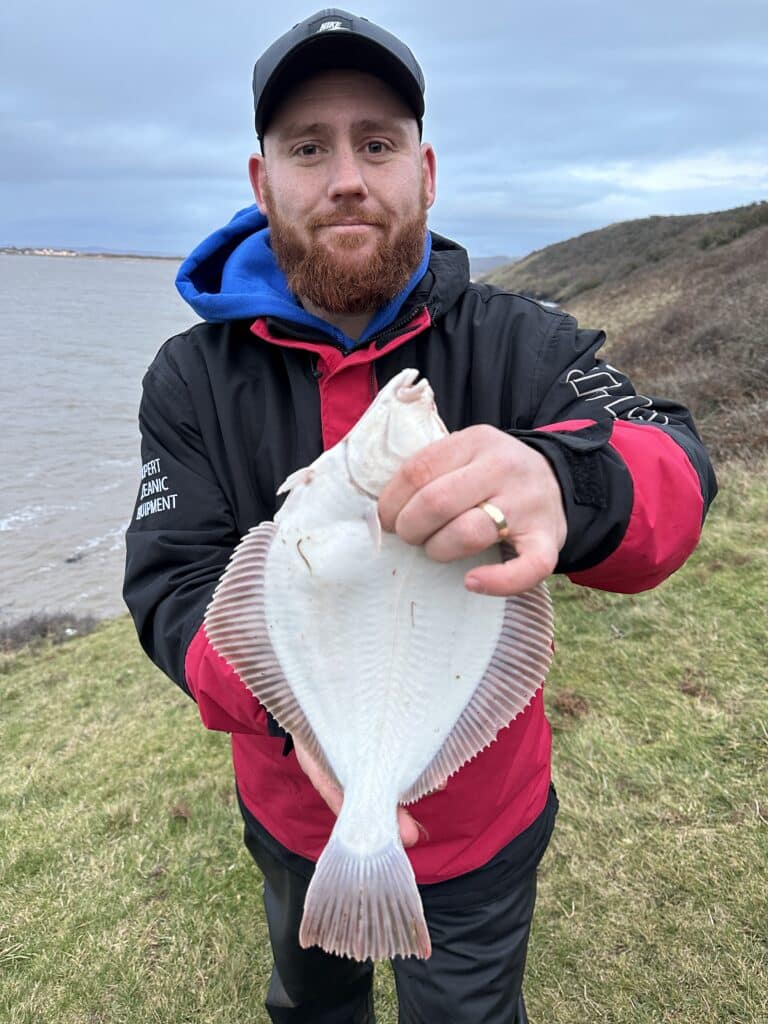
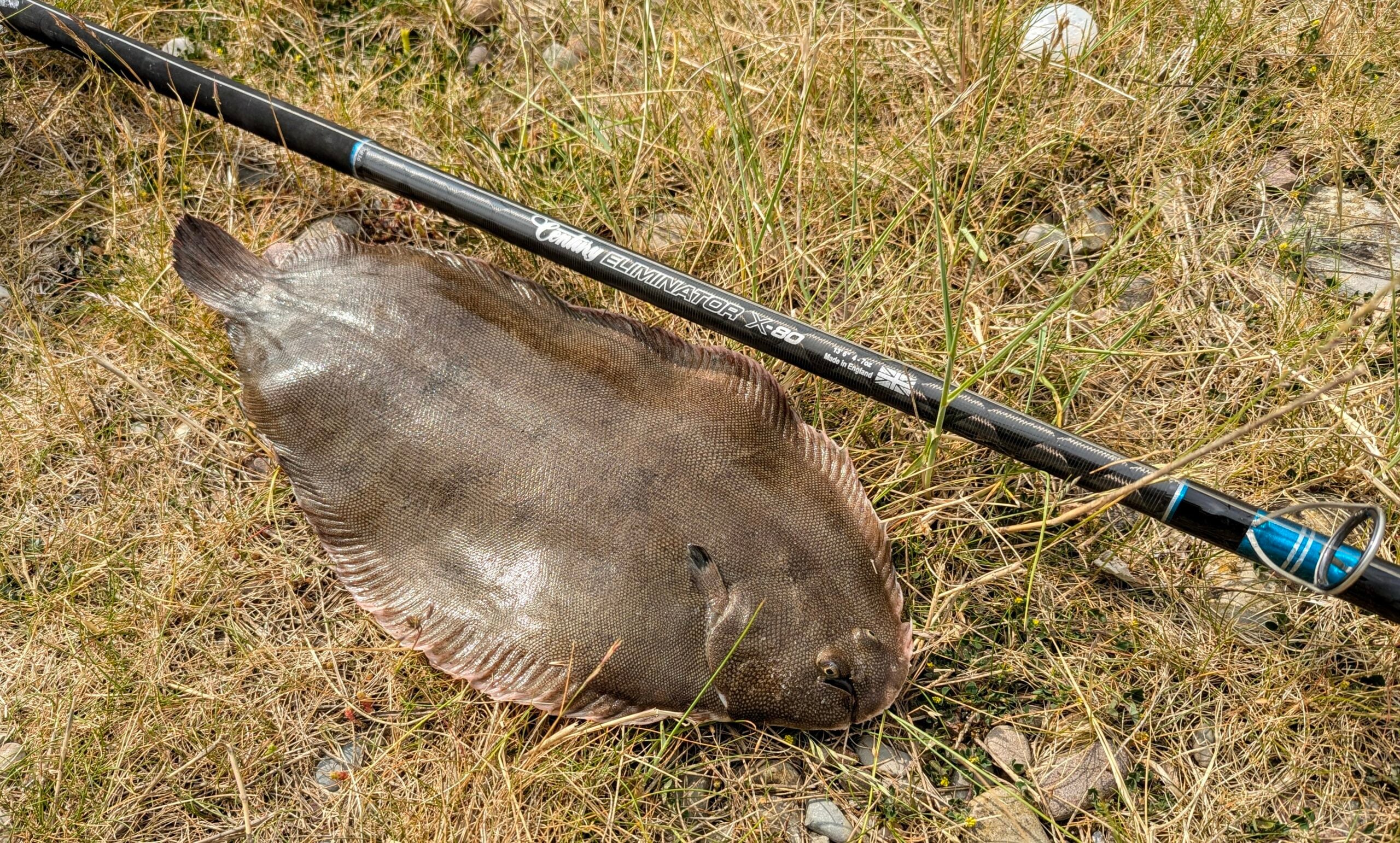
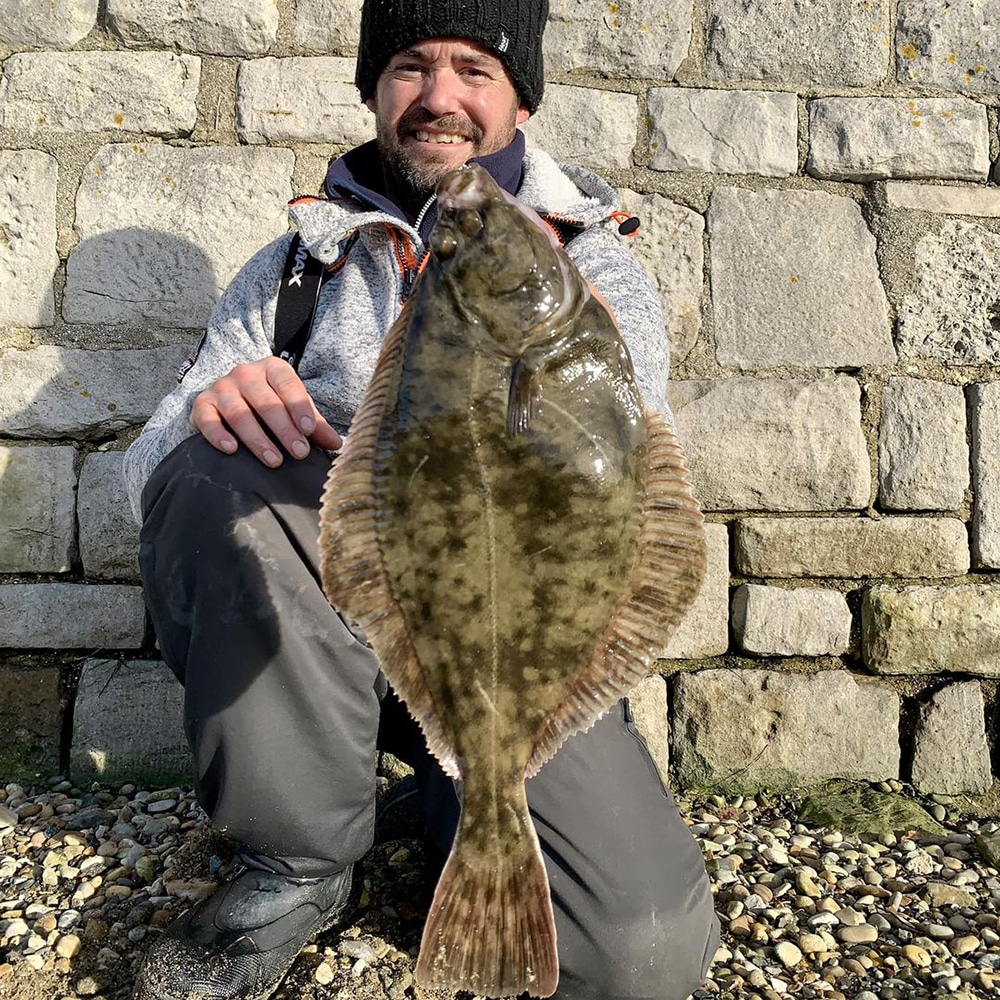
Flounder are found in shallow waters for most of the year, but are easier to target and generally more plentiful throughout the winter months. They feed on small marine worms and crustaceans and are often found in the estuaries and creeks of the southwest as well as many open surf beaches. Rarely growing to any great size, a fish of three pound would be considered an excellent specimen in most regions. Flounder are a fun species to fish for and will put up a spirited scrap on the right tackle.
Tackle
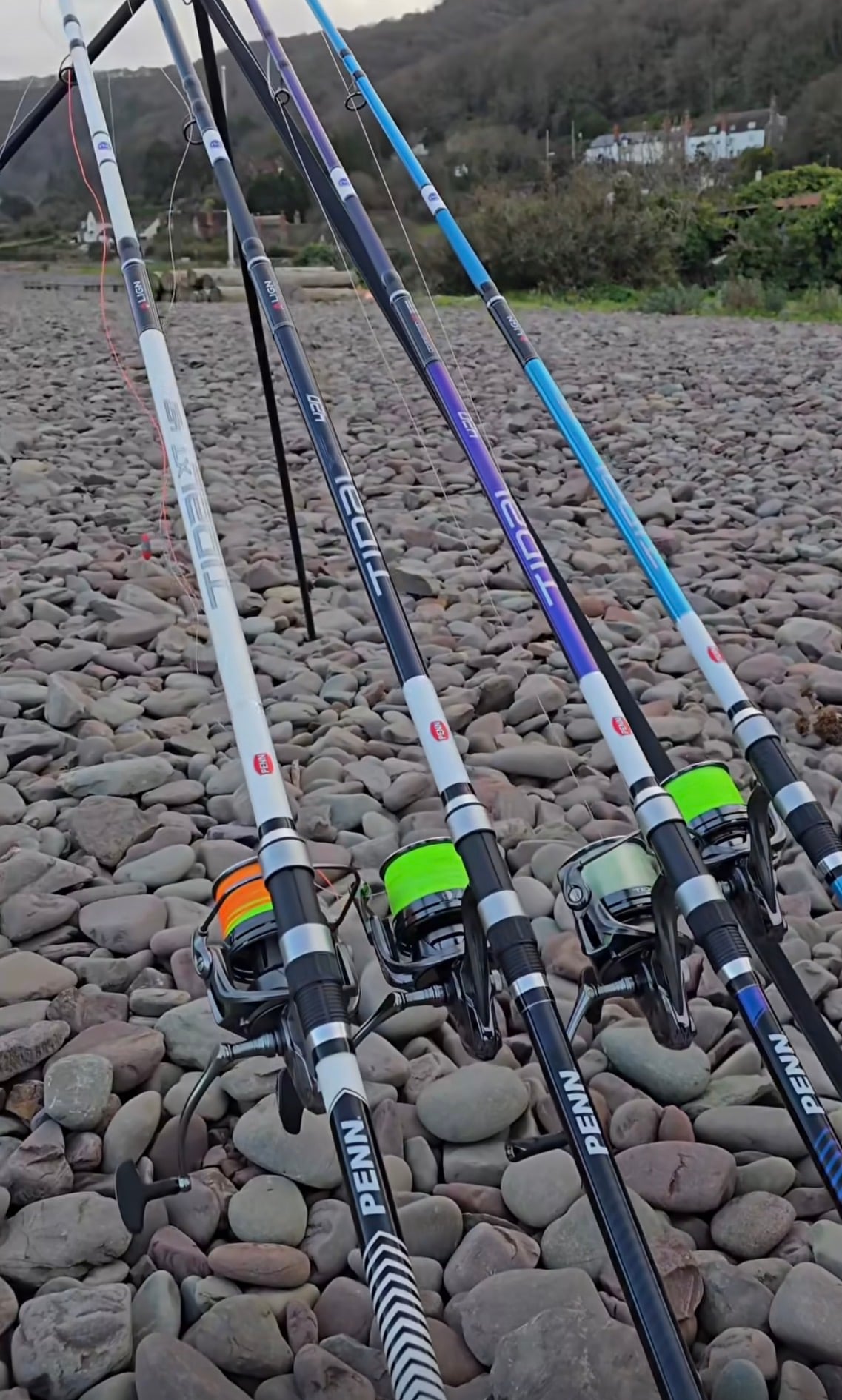
Light tackle can be used to target the flounder, with many anglers opting for a carp/bass type set up. Continental style shore rod with ultra soft tips van also be used. A small fixed spool or multiplier reel loaded with 12lb mono or 20lb braid is perfect and the end tackle need only consist of either a paternoster rig or a running flowing trace armed with size 1 or 2 hooks. Flounder can often be caught extremely close to the shore, so there is no reason to use heavy and powerful beach casting tackle. Light leads are key and choosing one that will move around a little can attract attention from these inquisitive fish. Flounders are also a stickler for colourful flashy additions to a baited trace and can help find bonus fish on a quiet day. Start with plain hooks loaded up with your bait of choice, but if bites don’t appear to be forthcoming, a little added bling could turn things around. It can pay to experiment with both a fixed and trundling lead to find out what might produce the most bites on there day.
Bait
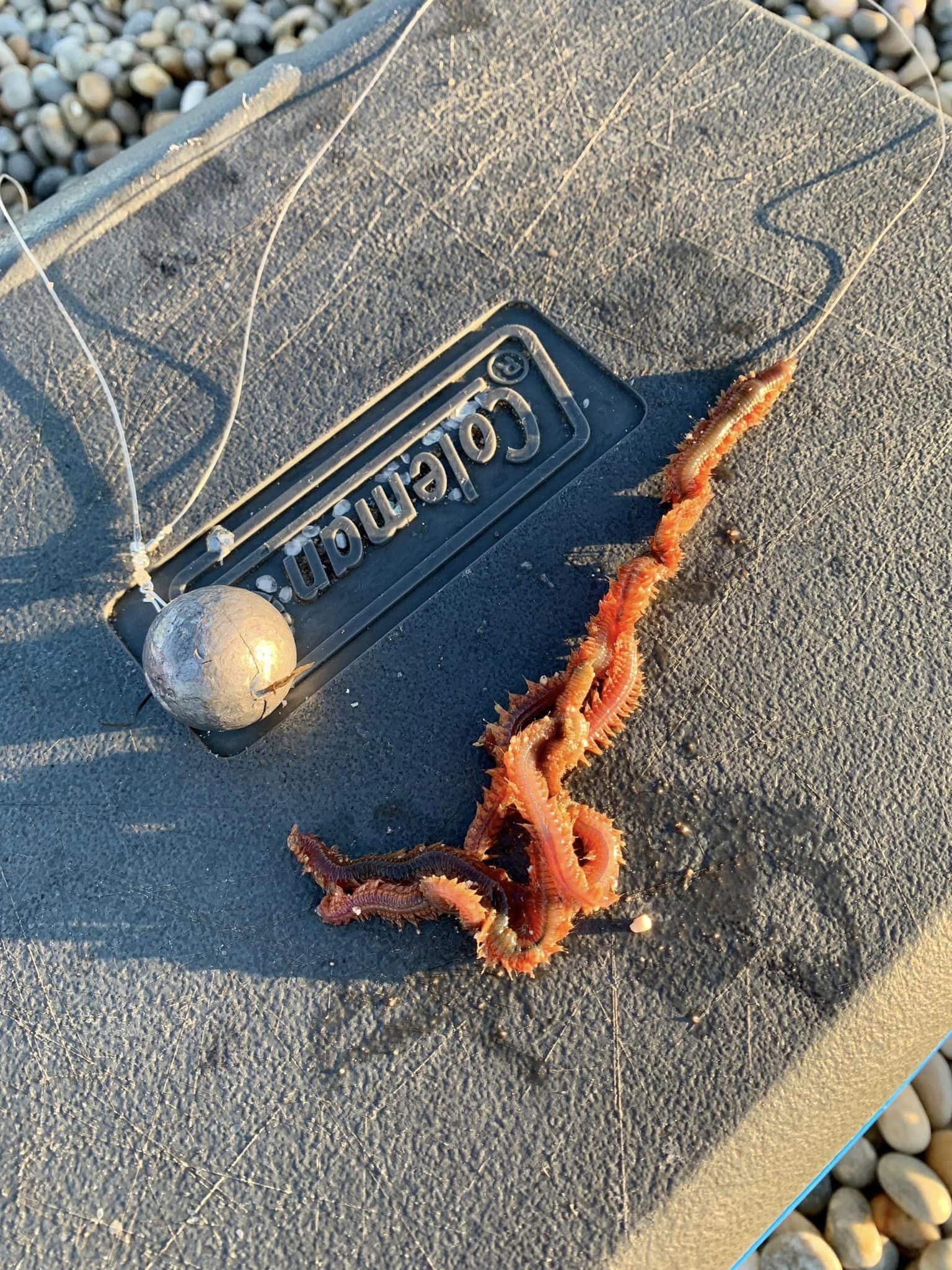
King Ragworm, Maddies Peeler Crab are the top baits and the fishes preference can differ on each venue. The addition of colourful floating beads can aid as a visual attractor and enable the bait to be popped up off the sea bed away from crabs that would otherwise strip the hooks in a matter of minutes.
Top tips
When a flounder bite becomes apparent, take your time and don’t rush. Flounder can be fussy feeders and may take a while to find a hook. An early indication of a bite is often a gentle pull down on the rod tip which appears not to escalate. If you see this happening, don’t strike, instead give the fish around ten minutes or so to find the hookpoint. Unless your rod tip is pulling over hard or the line has gone slack, it’s better to wait for bites to develop. When it comes to fish care, flounder taken from muddy estuaries are a poor eating experience so are best admired and returned to the water. They are notorious for taking a hook deep so invest in a specialist disgorge for removing the hook through the gill plate. They are extremely cheap and with a little practice, extremely easy to use. These will work for other species of flatfish such as plaice and sole too.
Still, frosty mornings are not often the best time for fishing, but flounder fishing is an exception to this rule. Still, cold mornings when the temperature has dropped below freezing can often be the most productive and enjoyable. Get familiar with your mark at low tide and try and pin-point the channels that fish might use to move through when the tide begins to flood. Cast your baits in to these channels as they can be great ambush points.